in Chalk Farm Road, Camden, London. Photographer Shelia Rock recalls, "I photographed them quite a lot around 1976/77 and then a few times later on in 1982, when the cool punk band had become a cool rock band."
Page 38, Sounds, April 15, 1978
Clash LP, letters reporting faulty manufacture
It's not just Bernie who makes The Clash jump ...
Page 38, Sounds, April 15, 1978
Susanne Garrett looks into your problems
Fair deal
It's not just Bernie who makes The Clash jump
A while back, I bought the Clash LP from The Other Record Shop in Edinburgh. As it jumped on White Riot I took it back and exchanged it for a new copy. This jumped in the same place though, and after about the fourth copy I asked the shop to play the rest of their copies. Surprise, surprise. They all jumped in the same place.
They offered me either (a) a refund or (b) suggested that I should wait until another batch came in. I waited. They did. I went home. And, yes, it jumped in the same place. The ORS were more than helpful all this time, but I was fed up with going back, so I've been waiting for a while in case a piece appeared in the paper about faulty records.
Is it just my bad luck, or what? Alistair Morrison, Lossiemouth.
Although CBS doesn't officially recall any particular problem with the first Clash album, Fair Deal has had a steady trickle of complaints from people who've experienced similar jumps on the White Riot and Police and Thieves tracks and other selected areas of the album. So what's the problem?
CBS attribute jumps on the Clash debut to the high sound levels of the music, which demand a lot from any pick-up, with heavy bass sounds at one end and top frequencies at the other. "If the playing arm is a little too light or too heavy, some styli will come a cropper," say CBS. Were your pick-up and the one in the record store badly adjusted?
Of course, "jumping", the strange phenomenon which leaves the stylus unable to follow the grooves on the surface of the disc, can happen during the complex manufacturing process. Cutting defects create jumps, especially in records with extreme frequencies, such as loud synthesiser music or, indeed, The Clash.
Certain tracks tend to become tortuous when cut so that the cheaper styli tend to bypass the grooves. Jumps also get off the ground when a record becomes warped, when it isn't cooled for long enough after pressing and due to poor storage during transportation, in the shop, or within your very own record collection.
Sticking to your basic rights under the Sale of Goods Act, you've already opted for replacement by your friendly neighbourhood retailer, several times. Duff goods also qualify you for a straight refund, but as you've held onto the record for some time now it's doubtful that you're still eligible. (Refunds should be claimed as soon as possible.)
And anyway you want a reasonable copy of Clash, dontcha? Lumbered with the unacceptable face of a bum deal, there is one other alternative open to you.
Send back the offending disc to the manufacturer, well-packaged and with a covering letter enclosed, explaining exactly why you haven't been able to get a good copy from your retailer. Mark your Clash trash for the attention of Stephanie Pyke, Customer Relations, CBS Records, Barlby Road, Ladbroke Grove, London W10. Although manufacturers can't compensate you for time wasted in travelling to and from the shop, they'll carry out a test and report on your copy and zap you another one, hopefully better than the others. In the meantime, make sure your equipment is maintained, and try a new stylus, if you haven't got one already, to give your next copy the best possible chance of survival.
So, is experiencing a succession of dodgy discs just your bad luck, or what? The manufacturing moguls stress that not all the legion of bugbears and gremlins which beset the average record buyer are production faults, scratching and warpage can happen at any stage, from pressing onwards, and dealers have been known to damage stock which is clearly not going to sell and send it back as faulty. But back at the factory, human error often manages to sneak through the most conscientious checks on components and materials – especially when all systems are going flat out to complete a high priority run.
CBS estimate that the most easily detectable manufacturing fault is warpage, and they're also increasingly worried about the growing number of "user" faults, (not necessarily caused by the user), including scuffs and scratches. Paradoxically enough, scratching often occurs when the record is being packed into sleeves, either manually on a short run, or by machine on a long run. This is also the time when in-factory visual checks for scratching and scuffing happen(!).
According to EMI, which presses 80 million records a year for a wide range of labels, at its Hayes plant, 50 per cent of all returns do have faults caused during manufacture. Apart from warpage, surface noise, including the Rice Krispies syndrome, clicks, pops, snap and crackle fall under this heading. "Clicks" occur when the stampers, the two hot metal plates which press the record from a wadge of warm vinyl (thermoplastic) are dirty or blunted through use in a long production run. "Swish" rears its ugly head when the mix of materials is not right. And "blip" happens when unwanted bits and pieces find their way into the mix.
Surface noise tends to repeat itself right the way through a batch, and while random samples of pressings are taken away for audio test checks, it can be argued that the only sure audio check is to listen to each and every album pressed. Impossible under the pressure of high production runs.
Paul Simonon's autograph manuscript song list, ca. 1977
One page (298 x 210mm). Written recto only in black and blue felt tip; very minor toning to edges.
The present list was written by bassist Paul Simonon for Caroline Coon, a Melody Maker journalist, and the first manager of the Clash. Coon had requested the list, which contains nearly all songs from the Clash's self-titled debut album (1977), so she could reference the tracks in an article prior to their release. The same list was used in the production of the group's first songbook.
1st album The Clash, Annotated Track Lists and Lyrics
for "The Clash" Album (28 Items), 1977 ... PDF 9 pages
Extracted and adapted from theclash.org.uk – The Clash CD Booklet, detailing the creation, recording, and legacy of The Clash (1977), featuring insights on locations, songwriting, and iconic imagery.
The Rehearsal space was a very small area just inside the big arch-topped door (15ft x 10ft approx.) which is opposite the walkway (album cover)
The Clash's 1977 debut album was a fast, fierce reflection of London’s unrest, blending punk energy with sharp social commentary. Written in a council flat and recorded in just twelve days, it remains a defining statement of youthful rebellion.
Most of the debut LP The Clash was written on the 18th floor of a council high-rise on London's Harrow Road. The flat belonged to Mick's grandmother, who regularly turned up at Clash gigs.
One of the regular punk scene photographers, and a friend of the band, the American Kate Simon, took the iconic punk image front cover picture in late 1976. It captures the three-piece Clash posing like street-fighting men on the trolley ramp of the old Tack Room opposite the Rehearsals building in Camden.
The back cover photograph by Rocco Macauley shows a police charge at the Notting Hill Riot beneath the shadow of the Westway.
The Rehearsal Rehearsals space was a small area just inside a large arch-topped door opposite the walkway featured on the album cover. Paul Simonon painted the car dump mural inside, and though the area has since been expanded, it remains open on weekends for second-hand clothing sales.
They wrote short, sharp, fast-riffing songs about social, racial, and political tensions simmering in the summer of '76.
The Clash recorded their first album at CBS Studios, Whitfield Street, London (Studio 3) over twelve days, starting 10th February 1977. The Spaghetti House opposite served as their dining spot during breaks. Today, the studios are known as Sony Music Studios, London.
Track Insights
Janie Jones
Opens with staccato chords and tells of dreary office life versus music, love, and escape. Inspired by infamous party host Janie Jones, who served a four-year jail sentence.
I'm So Bored With The U.S.A.
First performed at 22 Davis Road. The rhythm riff borrows from The Beatles'The Word.
White Riot
Inspired by Notting Hill Carnival, 30 August 1976. A call for white youth to express anger like black youths through direct action.
Hate & War
Written by Joe Strummer in a disused ice cream factory at Foscote Mews.
Protex Blue
Named after a brand of condoms from a machine in Windsor Castle Pub, near Mick's flat in Wilmcote House.
What's My Name
Co-written by Mick Jones and Keith Levene before Joe Strummer joined.
Police & Thieves
A reggae cover of Junior Murvin's hit, featured in the Rude Boy film.
Deny
References the 100 Club on Oxford Street.
London's Burning
About the seductive power of amphetamines and the view from Wilmcote House.
Career Opportunities
Introduced in October 1976, written at Rehearsal Rehearsals.
48 Hours
Written upstairs at Rehearsals about cramming life into a weekend.
Garageland
A response to Charles Shaar Murray'sNME review calling them a garage band. The riff nods to Mott The Hoople'sAll The Way From Memphis.
For more, check out Tony Fletcher'sThe Clash: The Complete Guide to Their Music (2005) and Uncut Magazine (February 2003) for behind-the-scenes stories and Kate Simon's photography.
Bonhams Auctions: The Mark Jay Collection. Lots 172-232.
Artwork, Bromide, original. NOTES: original and genuine one-off piece of paste-up bromide artwork, for a proposed design for the rear of the first Clash LP, in 1977. The ' text caption' is hand-typed, and pasted onto the bromide itself. This was originally the design consideration for the reverse of the album cover until the released variant was decided on.
The artwork was part of the archive of Mark Jay, creator of the 1977 'SKUM' punk fanzine, and the artist behind the Sex Pistols 'Story So Far' cartoon artwork. The piece was auctioned by Bonhams, several years ago, and a facsimile of the sales receipt will be included in the sale
The Clash: The Clash album proof and Macauley/Coon photographs,1976/1977,comprising: two black and white photographs of the 1976 Notting Hill riots by Rocco Macauley; a 'running police' artwork proof of the back cover photo by Macauley for the album The Clash; and a photograph of the band by Caroline Coon, used for the back cover of their debut single, 'White Riot', in 1977, proof 10 3/4in x 14 3/4in (27.5cm x 37.5cm), photos 5in x 7in (12.7cm x 17.8cm)
Cover Photo
Schneider, Martin. “Record Exec’s Letter to a Punk Fan About Why He Passed on the Clash.”Dangerous Minds, 6 Dec. 2015
Record exec's letter to a punk fan about why he passed on the Clash
In 1977, Epic Records' Bruce Harris responded to a punk fan explaining why the label initially passed on The Clash, citing poor production quality and lack of commercial viability in the U.S. market despite acknowledging the band's talent. The letter reflects the tension between artistic value and commercial expectations during punk's rise, revealing how cautious industry gatekeeping sometimes clashed with future musical revolutions.
Record exec's letter to a punk fan about why he passed on the Clash
Record exec's letter to a punk fan about why he passed on the Clash
Last year Paul Dougherty posted this treasure on his blog When p**k was a work in progress, where it then went unaccountably ignored. The setup is that in 1977, as a punk fan annoyed that the Clash's first (and, at that point, only) album hadn't yet found distribution in the United States, Dougherty wrote Epic Records a letter to express his annoyance. Remarkably, Epic wrote back-and the letter Dougherty received is a fascinating document of a tumultuous moment in the history of rock music.
Bruce Harris was the name of the thoughtful A&R representative from Epic Records, and his letter is a nearly perfect blend of punk idolatry and corporate wariness. Harris has appeared on DM before-he was the executive who signed the Nails in 1984, and as it happens, that band's lead singer and main songwriter, Marc Campbell, has been one of the most stimulating Dangerous Minds contributors for many years. In 2011 Campbell wrote about the perils for musicians of getting involved in the music business, noting in a postscript that "My experience at RCA would have been far worse had it not been for the comradeship of two people who did love rock and roll: Bruce Harris (R.I.P.) and Gregg Geller."
Epic Records A&R team, 1979. Bruce Harris is at left, wearing the hat. (As is true for most of the images on this page, click the picture to see a larger version.)
What's fascinating about Harris' letter to Dougherty, which is dated November 29, 1977, is that it shows a true appreciation of the singular talents of the Clash while also recognizing the limitations that would hold the band back, primarily the shoddy production of the first album compared to the Sex Pistols' Never Mind the Bollocks. I don't think anyone is crazy about the production on that album-Allmusic, in a 5-star review, treats the "poor sound quality" as an asset, and Robert Christgau, in the middle of calling the album his new favorite punk LP from the U.K., noted at the time that it was "apparently tuneless and notoriously underproduced."
One gainsays Harris' expertise in handicapping the likely future success of bands in the American marketplace at one's peril, but what's hilarious about his missive is the extent to which he may have gotten it wrong. When he lists a bunch of bands that he loves but can't sell in the U.S., consisting entirely of Blondie, the Clash, the Adverts, and the Vibrators, that list (and the mindset willing to back it) would instantly have made Harris the greatest A&R man of the era. Harris wasn't in the business of distributing records that would still be viable assets in the year 2000, although ... he kind of was.
Harris wanted to usher in the new era of punk the "right" way, and that and his cautious responsibility to safeguard Epic's assets may have caused him to miss an opportunity. The under- or non-produced quality of the Clash's first album, after all, is precisely what Allmusic and Christgau liked so much about it, and that's a perspective we in the year 2015 share-it's Harris' concern to keep the "Fleetwood Mac" quotient low on the Clash's second album that seems dated to us. When Harris calls the move of championing imperfect production as aesthetically valid as "a genuine copout," he's missing the impulse that led to musical movements as disparate as grunge, lo-fi, hardcore, and crunk. Of course the Clash and the Vibrators and so forth had the better of that argument, in the long run. That doesn't magically remove the obstacles Harris would have faced in selling the Clash to Iowa, but it does generate some pretty profound ironies.
OK-enough of my yakkin'. Here's the letter, transcription is below.
This was written in late 1977. The Clash's first album, of course, was released in the U.K. in 1977 by CBS, and it wouldn't get a U.S. release until two years later, by Bruce Harris' employer, Epic. CBS and Epic released Give 'Em Enough Rope as well as all of the Clash's remaining studio albums in the U.S., so he was right to guess that "the Clash's next album will be more right for us and we will be releasing it here."
Here's a list of the Epic Records roster in 1979, with the Clash included:
The Vibrators' first album, Pure Mania, received a U.S. release by Columbia in 1977, but given the date of this letter, it's not likely that a vague reference to "next year" refers to that; either the album was already out or he knew its release date perfectly well. Meanwhile, neither Epic nor CBS had anything to do with the U.S. release of the Vibrators' second album, V2.
Harris was quite right about Blue Sky releasing Johansen's first album, and nobody gives a flying fuck about Masterswitch. (Okay, okay: According to Discogs, Epic did put out one single solitary 7-inch in 1978.) He was also astute in surmising that Talking Heads would be arguably new wave's greatest crossover success.
November 29, 197
Dear Paul:
Now that you've explained to me how the net works, let me tell you a little about how the mummy crumbles.
Unfortunately, A&R decisions are not based entirely on taste and musical preference. Hard to believe as you may find this, I personally am an avid Clash fan. My responsibility is not, however, to release records I like but rather records which I feel will bring profit into this company. (You may dismiss this kind of view as immoral or whatever but I would consider myself immoral to accept payment from CBS and not fulfill that obligation to the best of my ability. It would be easy for me to sit here and say I like the Clash, I like the Vibrators, I like the Adverts, I like Blondie, but that's no accomplishment. Your presumption that releasing a Clash record would change the complexion of the American music marketplace, FM radio, press, etc. is a false one. From my experience in the music business, it seems clear to me that the Clash's album would fail miserably from that point of view.
Also, it is important to note that the Clash's album for all its quality (which is evident in the overwhelming lyrics, the blistering music and the feverish performance) is not at all matched by the level of production which is an enormous drawback. The band's live performance is many times better than what is on this record and one has to question the artistic integrity of creating an inferior sounding album. It's not a valid artistic judgement to say that the production is deliberately shoddy because this is new wave and new wave music doesn't follow the same rules as other music, etc. This is a genuine copout. The Sex Pistols album, for instance, is produced properly and as a result sounds really strong and captures the band's power. I believe the Clash can make better records than their first album and those are the records we should choose to bring to the American marketplace.
I have a very deep interest in making punk rock happen in the U.S. but I believe that only the finest quality product (like the Sex Pistols album) can achieve that end.
The failing does not lie with record companies. Your comments about radio are certainly right but if you take the thought one step further, I think you will see that it's radio that's blocking the progress here not record manufacturers. Sire Records is releasing a number of new wave albums, none of which have gotten much airplay or sold any records as a result. Personally I expect that this is partially due to the low quality of much of this product. On the other hand, like any new movement, punk will take time. Maybe its the Talking Heads second album that will happen, and maybe the Dead Boys will get a little better at what they are doing.
I believe the Clash are better than anyone in the field except the Sex Pistols and I have been very involved in guiding the production of their second album. I don't want them to sound like Fleetwood Mac-I want them to sound like the Clash that they are and not an amateur act.
Your interest is marvelous and though we disagree, I really was glad to hear your voice rise up from the street telling me where to go. Hopefully, the Clash's next album will be more right for us and we will be releasing it here. Meanwhile, you will be happy to know that it appears that Columbia Records will release the Vibrators album next year, our Blue Sky label will be releasing David Johansen's solo album and Epic will release an album by a new group from England called Masterswitch. Inorder for the new wave to become a permanent one, it has to get rolling right.
Best regards, Bruce Harris
The source for the internal Epic Records images (not including the letter) is this marvelous PDF file.
Thank you Annie Zaleski!
Posted by Martin Schneider
06.12.2015
sudon't --- Link --- I have to say, I agree that poorly recorded records suck. I remember hearing that Clash album for the first time, and wondering why it had to sound like a transistor radio. Nevertheless, the music was exciting, and like Never Mind the Bullocks, the music cut through the bad recording. But it never got as much turntable time as London Calling, which sounded great. I can't understand people who embrace lousy recording as an aesthetic choice. But maybe it makes sense in an era when few people have hi-fi equipment to begin with?
Is "The Clash" the greatest debut album of all time? There’s certainly a case for it and virtually everyone we speak to who remembers its release seems to say this. Its certainly stood the test of time lyrically, possibly more than any album ever released by anyone. The themes that run through this album not only survive in 2024, some of them rage still.
Every song from this album in our set is such great fun to play live. And whenever we add a new tune from our set to it, they stay in the set forever which probably says it all. We change the set for every show as you know but Whats My Name & Garageland have been ever present since we put them in at the start of 2024.
It would be great to play this record in full on account of its thump and vigour. What a statement “and when I get aggression, I give it two times back” is, amongst others. Its lyrically poignant, musically pungent and absolutely sensational from start to finish. Anthems, every single one of them so how do you choose which songs to put in your set and which ones to leave out? People who were there in 77 tell us all the time of the urgency of these tunes, live specially and what it was like to be there with the band at such an incredible time for opular music. To take you back there and not have to leave any of these songs out would be truly amazing.
If this is your favourite Clash album then you have until Friday to vote in our poll at clashtributeband.com/poll. The winning album will be performed live at The Spinning Top in Stockport & Birdwell Venue Barnsley on January 10th/18th 2025 respectively.
In the meantime, tell us what you do and dont love about this record in the comments below (or why you voted for it...?)
8th April 1977, CBS released the self- titled first album by The Clash in the UK. The album is widely celebrated as one of the greatest punk albums of all time. CBS in the US refused to release it until 1979 and Americans bought over 100,000 imported copies of the record making it one of the biggest- selling import records of all time. More on The Clash:
On the 8th April 1977 the bands debut album The Clash is released.
Peter Silverton reviewing the album for Sounds Magazine said of the record ”if you don’t like The Clash, you don’t like rock ‘n’ roll. It really is as simple as that. Period”.
One of the first and longest-lived bands to emerge during the late 70s who have continued to dictate the direction of modern punk fashion are The Clash, whose 1977 debut album The Clash (CBS) may have been missed.
Like many a first album it contains some of the band's best songs though without doubt their performance and production has improved im-measurably since those formative days.
To be honest though the album as a whole sounds a bit limp five years on although the band at that time were musi-cally sound by the standards of the day. They were, and remain, an unpleasant, objec-tionable quartet by design and their music screams of dissent for all things conventional.
The songs are short and vehement apart from the six-minute version of Junior Murvin's reggae classic Police and Thieved which remains the high point of the platter.
Now available at £2.99 the price makes this one a goodie for collectors. AP.
Record Mecca Auctions: The Clash - 1977 UK CBS Promo Poster For Debut Album A very rare promotional poster made by CBS Records UK in April, 1977 to promote the release of the debut album by The Clash.
The artwork incorporates the album's cover photograph and day-glo ink for a striking effect. The Clash's debut was the second-ever punk album to be released (following The Damned's debut by two months.)
This is only the second example we've ever seen of this rare poster—most were probably irretrievably plastered to walls on construction sites and subway stations around London. 20′ x 29 ¾'.
Poster ... new album .... signed poster
OMEGA AUCTIONS - THE CLASH - ORIGINAL DEBUT LP PROMOTIONAL POSTER - FULLY SIGNED.
An original poster c April 1977 issued to promote The Clash's self-titled debut LP and also for double use as a concert poster. This example has been signed to lower blank portion (originally for gig info) by Joe Strummer (and dated 1997), Paul SImonon and Mick Jones. The signatures are of a notably large size. Poster measures 29.5 x 38", with age wear, losses, repairs etc. Sold for £1,600
OMEGA AUCTIONS: THE CLASH - WHITE RIOT ORIGINAL TOUR POSTER 1977
An original blank tour poster for The Clash 'White Riot' tour of 1977. Measures approx 29 x 38". Tear from top middle edge, some creasing, minor losses, general age wear. Sold for £700 Hammer Price
Photographer Shelia Rock recalls, "The look is down to Paul Simonon [right]. He did the clothes, the backdrops, the Jackson Pollock splashes on the shirts. Mick [Jones, centre] and Joe [Strummer, left] wrote the songs, but Paul was the artist."
Record exec's letter to a punk fan about why he passed on The Clash
Last year Paul Dougherty posted this treasure on his blog When p**k was a work in progress, where it then went unaccountably ignored.
Martin Schneider Fri 12 June 2015
Record exec's letter to a punk fan about why he passed on The Clash
Last year Paul Dougherty posted this treasure on his blog When punk was a work in progress, where it then went unaccountably ignored. The setup is that in 1977, as a punk fan annoyed that The Clash's first (and, at that point, only) album hadn't yet found distribution in the United States, Dougherty wrote Epic Records a letter to express his annoyance. Remarkably, Epic wrote back – and the letter Dougherty received is a fascinating document of a tumultuous moment in the history of rock music.
Bruce Harris was the name of the thoughtful A&R representative from Epic Records, and his letter is a nearly perfect blend of punk idolatry and corporate wariness. Harris has appeared on DM before – he was the executive who signed The Nails in 1984, and as it happens, that band's lead singer and main songwriter, Marc Campbell, has been one of the most stimulating Dangerous Minds contributors for many years. In 2011 Campbellwrote about the perils for musicians of getting involved in the music business, noting in a postscript that "My experience at RCA would have been far worse had it not been for the comradeship of two people who did love rock and roll: Bruce Harris (R.I.P.) and Gregg Geller."
Epic Records A&R team, 1979. Bruce Harris is at left, wearing the hat. (As is true for most of the images on this page, click the picture to see a larger version.)
What's fascinating about Harris' letter to Dougherty, which is dated November 29, 1977, is that it shows a true appreciation of the singular talents of The Clash while also recognizing the limitations that would hold the band back, primarily the shoddy production of the first album compared to The Sex Pistols'Never Mind the Bollocks. I don't think anyone is crazy about the production on that album – AllMusic, in a 5-star review, treats the "poor sound quality" as an asset, and Robert Christgau, in the middle of calling the album his new favorite punk LP from the U.K., noted at the time that it was "apparently tuneless and notoriously underproduced."
One gainsays Harris' expertise in handicapping the likely future success of bands in the American marketplace at one's peril, but what's hilarious about his missive is the extent to which he may have gotten it wrong. When he lists a bunch of bands that he loves but can't sell in the U.S., consisting entirely of Blondie, The Clash, The Adverts, and The Vibrators, that list (and the mindset willing to back it) would instantly have made Harris the greatest A&R man of the era. Harris wasn't in the business of distributing records that would still be viable assets in the year 2000, although … he kind of was.
Harris wanted to usher in the new era of punk the "right" way, and that and his cautious responsibility to safeguard Epic's assets may have caused him to miss an opportunity. The under- or non-produced quality of The Clash's first album, after all, is precisely what AllMusic and Christgau liked so much about it, and that's a perspective we in the year 2015 share – it's Harris' concern to keep the "Fleetwood Mac" quotient low on The Clash's second album that seems dated to us. When Harris calls the move of championing imperfect production as aesthetically valid as "a genuine copout," he's missing the impulse that led to musical movements as disparate as grunge, lo-fi, hardcore, and crunk. Of course The Clash and The Vibrators and so forth had the better of that argument, in the long run. That doesn't magically remove the obstacles Harris would have faced in selling The Clash to Iowa, but it does generate some pretty profound ironies.
OK – enough of my yakkin'. Here's the letter, transcription is below.
This was written in late 1977. The Clash's first album, of course, was released in the U.K. in 1977 by CBS, and it wouldn't get a U.S. release until two years later, by Bruce Harris' employer, Epic. CBS and Epic released Give 'Em Enough Rope as well as all of The Clash's remaining studio albums in the U.S., so he was right to guess that "the Clash's next album will be more right for us and we will be releasing it here."
Here's a list of the Epic Records roster in 1979, with The Clash included:
The Vibrators' first album, Pure Mania, received a U.S. release by Columbia in 1977, but given the date of this letter, it's not likely that a vague reference to "next year" refers to that; either the album was already out or he knew its release date perfectly well. Meanwhile, neither Epic nor CBS had anything to do with the U.S. release of The Vibrators' second album, V2.
Harris was quite right about Blue Sky releasing David Johansen's first album, and nobody gives a flying fuck about Masterswitch. (Okay, okay: According to Discogs, Epic did put out one single solitary 7-inch in 1978.) He was also astute in surmising that Talking Heads would be arguably new wave's greatest crossover success.
November 29, 1977
Dear Paul:
Now that you've explained to me how the net works, let me tell you a little about how the mummy crumbles.
Unfortunately, A&R decisions are not based entirely on taste and musical preference. Hard to believe as you may find this, I personally am an avid Clash fan. My responsibility is not, however, to release records I like but rather records which I feel will bring profit into this company. (You may dismiss this kind of view as immoral or whatever but I would consider myself immoral to accept payment from CBS and not fulfill that obligation to the best of my ability. It would be easy for me to sit here and say I like The Clash, I like The Vibrators, I like The Adverts, I like Blondie, but that's no accomplishment. Your presumption that releasing a Clash record would change the complexion of the American music marketplace, FM radio, press, etc. is a false one. From my experience in the music business, it seems clear to me that The Clash's album would fail miserably from that point of view.)
Also, it is important to note that The Clash's album for all its quality (which is evident in the overwhelming lyrics, the blistering music and the feverish performance) is not at all matched by the level of production which is an enormous drawback. The band's live performance is many times better than what is on this record and one has to question the artistic integrity of creating an inferior sounding album. It's not a valid artistic judgement to say that the production is deliberately shoddy because this is new wave and new wave music doesn't follow the same rules as other music, etc. This is a genuine copout. The Sex Pistols' album, for instance, is produced properly and as a result sounds really strong and captures the band's power. I believe The Clash can make better records than their first album and those are the records we should choose to bring to the American marketplace.
I have a very deep interest in making punk rock happen in the U.S. but I believe that only the finest quality product (like The Sex Pistols' album) can achieve that end.
The failing does not lie with record companies. Your comments about radio are certainly right but if you take the thought one step further, I think you will see that it's radio that's blocking the progress here not record manufacturers. Sire Records is releasing a number of new wave albums, none of which have gotten much airplay or sold any records as a result. Personally I expect that this is partially due to the low quality of much of this product. On the other hand, like any new movement, punk will take time. Maybe it's the Talking Heads' second album that will happen, and maybe The Dead Boys will get a little better at what they are doing.
I believe The Clash are better than anyone in the field except The Sex Pistols and I have been very involved in guiding the production of their second album. I don't want them to sound like Fleetwood Mac – I want them to sound like The Clash that they are and not an amateur act.
Your interest is marvelous and though we disagree, I really was glad to hear your voice rise up from the street telling me where to go. Hopefully, The Clash's next album will be more right for us and we will be releasing it here. Meanwhile, you will be happy to know that it appears that Columbia Records will release The Vibrators' album next year, our Blue Sky label will be releasing David Johansen's solo album and Epic will release an album by a new group from England called Masterswitch. In order for the new wave to become a permanent one, it has to get rolling right.
Best regards, Bruce Harris
The source for the internal Epic Records images (not including the letter) is this marvelous PDF file.
PROBABLY one of the best bands to emerge from the 'new wave' era that has just swept through the country. 'The Clash and their music should not be dismissed lightly....
PUNK POWER: ALBUM REVIEW
The Clash: 'The Clash' (CBS 82000)
PROBABLY one of the best bands to emerge from the 'new wave' era that has just swept through the country. 'The Clash and their music should not be dismissed lightly.
Many people have come to the conclusion somewhat prematurely, that the 'new wave' bands have very little to offer. But don't you believe it. The Clash symbolise everything that is good about the brand of music associated with them.
High emergy and high speed dominate the album, and although punk rock may not be everyone's cup of tea there can be no doubt that it is the biggest thing to sweep Britain since 'Flower Power'.
The straining vocals of Joe Strummer and Mick Jones along with their high-voltage guitar work lead the way on sterling tracks such as 'Janie Jones', 'London's Burning' and the recently released single 'White Riot'.
The other two group members, Tory Crimes on drums and Paul Simonon on bass guitar show musical intracacies one would not necessarily come to expect from such a group.
Lyrically not too clever, the group's musical talents should not be ignored. Powerful they are and let's hope they are here to stay to put some punch back into the British rock scene.
THE CLASH The Clash. Already on the chart with the single White Riot, the Clash seem poised for more success in the album sector with this debut twelve incher.
TRACKIN
THE CLASH The Clash. Already on the chart with the single White Riot, the Clash seem poised for more success in the album sector with this debut twelve incher.
On paper, the band’s songs, written by Joe Strummer and Mick Jones, might look politically immature, but when pumping out of the speakers the numbers flow well and actually have that rare attribute in punk offerings, melody. Standout tracks are the charging I'm So Bored With The USA which makes it's point quite strongly, and the young man's anthem of disillusion, Career Opportunities.
The only song written outside of the band environment is a new wave version of Junior Murvin's Police And Thieves reggae hit, which the Clash contrive to play pretty straight making it particularly effective against the band's raw material. With the CBS publicity machine behind it, this album looks destined for chart action.
Carol Clerk, GAZETTE AND POST Thursday, May 5, 1977, Page 11
The Clash (CBS)
This is crucial time in the development of punk rock
This is a crucial time in the development of punk rock.
The Clash (CBS)
Carol Clerk
This is a crucial time in the development of punk rock.
This is the time when the leading bands are starting to put out albums and the music has to stand or fall on its own merits. It has to reach people all over the country who have never witnessed the live punk spectacle.
So far, two highly important records have emerged from the new wave to convey all the energy, attack and excitement of the style. One is the recent Damned Ip; the other is this.
The Clash Joe Strummer, Mick Jones, Paul
Simonon and Tory Crimes hammer their way through 14 gloriously ag-gressive, rip-roaring numbes that would leave most of our heavy metal giants standing at the starting post.
The lyrics, particularly on tracks like Cheat and I'm So Bored With The USA, echo all the frustrating that finally found an outlet in punk music and in this respect, the Clash score a few points over the Damned.
"White Riot" thunders along at an unbelievably frantic pace and was an excellent choice for a single. The next one could well be Career Opportunities, for me an outstanding track that sums up in a couple of minutes what punk rock is all about.
It's fierce and furious with tremendously pointed lyrics, a great hook line and an extra certain something that can't fail to grip the listener on the first play.
Silverton, Pete. "If You Don't Like The Clash, You Don't Like Rock 'n' Roll." SOUNDS, no. April 9, 1977, pp. Cover & 31
If you don't like The Clash, you don't like rock 'n' roll
— Pete Silverton's definitive five-star review of The Clash's debut album declares it "the standard to which any band of the seventies will have to aspire"
— Praises Strummer's lyrical genius in channeling working-class angst despite his middle-class background, particularly in London's Burning and Career Opportunities
— Police and Thieves as "the best white reggae ever" while critiquing producer Mickey Foote's occasional missteps like the phasing on Cheat
— The Clash's substance with The Damned, arguing their lyrics are "irrelevant trifles" compared to Clash's socially charged anthems
— Declares the album both "the best white dance record of the seventies" and a cultural landmark that "will change people's perceptions"
— Features Ray Stevenson's iconic cover photo of the band in their spray-painted attire
THE CLASH: 'The Clash' (CBS 82000) Start at the deep end. This is the best debut album any British band has ever produced.
Clash lead black vinyl riot
THE CLASH: 'The Clash' (CBS 82000)
Start at the deep end. This is the best debut album any British band has ever produced. Forget the sociological quagmire predictably promoted by crawling confederates. Forget the patronising 'whatever they lack in musical ability they more than make up for in sheer gut energy' syndrome. For-get all the new wave regalia that haunts every toilet paper periodical like computer data. 'The
Clash' pulls the chain on all the crap that has preceded it. And that's simply on the record's stunningly conceived mu-sical content. If you've got ears the 'messages' (they're really nothing more than wry ments) will smash you in the face soon enough. But don't be impatient. Just savour the rest of the deal com-
it sure ain't from the the bottom of the pack. There's no such thing as a highlight on this album. Every song has an identity MELODICAL LY as well as lyrically of its own. Joe Strummer and Mick Jones have written all the numbers except for Jnr Murvin's 'Police And Thieves'. That seems a strange one to choose. Reggae? The Clash? You soon realise its inclusion was a masterstroke, a calcu-lated risk that works like magic. I guess I never knew phasers could be so effective as in 'Cheat' a track actually needing that often superfluous device. There's a re-mix of 'White Riot' and it sounds far superior to the single. The production is sometimes a little oblique but Strummer's heavy artillery voice. Jones contradictory maniacal /disciplined guitar and Paul Simenon's all embracing bass blasts criticism into bass king-dom come. Barry Cain
By an odd quirk of bum luck, The Clash came into the MM office on the same day as The Beatles'Live At Hamburg. Both found their way onto the record-player and the somewhat surprising reaction was that the Beatles album induced derisory laughter while The Clash produced requests for even louder volume.
Album: Generation Clash
PHOTO: The Clash: chronicling the ideas, frustrations and problems of disaffected youth, including a sneering denunciation of employment prospects faced by the young.
The Clash: The Clash (CBS 82000). Mick Jones (lead guitar), Paul Simonon (bass), Joe Strummer (lead vocals, guitar), Terry Chimes (drums). Produced by Mickey Foote.
By an odd quirk of bum luck, The Clash came into the MM office on the same day as The Beatles'Live At Hamburg. Both found their way onto the record-player and the somewhat surprising reaction was that the Beatles album induced derisory laughter while The Clash produced requests for even louder volume.
The lesson from that is not that the MM is full of punk rock freaks (not a safety pin among us, honest) nor that we don't like the Beatles, but that in the seventies punk rock has the vitality which many now-esteemed bands had when they were first starting. And it sounds a lot more fun, especially when you're not listening too closely, than triple-album concepts.
It would be ludicrous, of course, to judge the Beatles by what is little more than a bootleg: probably even more ludicrous to expect The Clash to achieve even more than one-tenth of what the Fab Four did. But it at least shows that at one time they – and The Stones, and The Who, and all the other establishment bands – sounded pretty rotten. They weren't adept at their instruments (to say the least: you ought to hear George Harrison on Hamburg), they hit bum notes, their harmonies were flat: all the faults we lay at the punk rockers' door. Yet they had an energy that overrode all those considerations, and a defiance of the status quo. The attitude was, if you want to hear note-perfect music, go to a classical concert.
The same applies today, except that in many cases you can substitute "rock" for "classical". It all boils down, of course, to what exactly you do want. Personally, I care neither for the reverential neo-classical shows of Pink Floyd, nor for my turntable to be filled all day with the extremely restricted music performed by The Clash and their cohorts.
Punk rock strikes me as an experience to be savoured in small doses and, if on record, then at a high volume and preferably while doing something else. A closer examination, I find, leads to headaches, due to the tuneless repetition of chords at a breakneck pace.
The Clash, if you can believe it, manage to make The Stooges sound subtle. A shame that the instruments have the upper hand, because lurking beneath the racket are some interesting lyrics, snatches of which it's possible to hear if you listen too carefully (not recommended). It's here that The Clash, and others of their ilk, justify their existence. Just as in the pre-Beatles era lyrics had degenerated into "moon in June" romantic slush, so has the standard of today's pop song lyric gone back into a moronic slump. By very definition "popular" music should not just be for the people, but about them, too. The Clash do exactly this, chronicling the ideas, frustrations and problems of disaffected youth in songs like Remote Control, Cheat and 48 Hours. These are the kind of themes that ought to be in the chart (if someone could write a tune for them, of course). Particularly impressive is the sneering denunciation of the employment prospects faced by the young in Career Opportunities.
Some commentators will no doubt find the most significance in the only non-original on the album, a cover of Junior Murvin's big reggae hit of last year, Police And Thieves (you know, rebellious white youth links with angry blacks to create a potent political force, blah, blah, blah), but I shall leave that for the sociologists, except to say that it's a musically creditable version.
As an album, The Clash is much what you'd expect – raucous, basic, and should go down a treat with the Blank Generation. Thank God I'm "too old" to have to enjoy it.
Vinylised affirmation of the worth of The Clash. One in the face for the prejudiced, the ignorant and the complacent.
April 16, 1977, New Musical Express
The Clash War on inner city front: The Clash – The Clash (CBS)
Vinylised affirmation of the worth of The Clash. One in the face for the prejudiced, the ignorant and the complacent.
"I don't wanna hear about what the rich are doing / I don't wanna go to where the rich are going / They think they're so clever, they think they're so right / But the truth is only known by guttersnipes."
Those sentiments, expressed in Garageland, are backed up in the 14 songs on the album. Jones and Strummer write with graphic perception about contemporary Great British urban reality as though it's suffocating them. Their frame of reference is a mirror reflection of the kind of 1977 white working-class experiences that only seem like a cliché to those people who haven't had to live through them.
Their songs don't lie. They crystallise growing up and getting out like no band ever have before. But they wear home-made battle fatigues, not Holy Man dog collars, not Politician fancy dress.
They put their emotion-wired imagery across with rock that displays an inherent sense of energy control exerted over the speeding sound of the Westway, creating tension, a natural feel of dynamics and exhilarating rock 'n' roll excitement. They say something and they make you wanna dance. Classic rock performs both functions. The Old Masters had that quality in another time. This generation has The Clash.
Janie Jones opens the album with buzzsaw staccato chords as Jones and Strummer interplay guitars over the obsessive drive of the rhythm section, Simonon joining them for an on-the-terraces chant of their anti-harmonies. Repetitive, addictive lyrics, the words howled by Strummer in his usual manner of making them discernible only to the people who should hear them – anyone who wants a riot of his/her own.
Remote Control is about the type of powers that Orwell forecast and that arrived sooner than he expected: the Tin Gods who butchered the Anarchy tour because they were terrified of something they didn't understand, didn't want to understand.
Jones occasionally sings about something he detests in such an inverted, celebratory way that the sardonic joy expresses his (and The Clash's) contempt far more effectively than any direct tirade:
"It's so grey in London Town / Panda cars crawling around / Here it comes / Eleven o'clock / Where can we go now?"
Strummer does the same and brilliantly on one of their finest songs: London's Burning, the open wound, written in the middle of the night from a high-rise cage, and Career Opportunities, their statement of signing-on reality. The former is part of the frantic guided tour that Strummer gives of the futuristic slums surrounding the Westway inner-city flyover and the latter is the ecstatic shouting of the word "career" after the bitter defiance of the lyrics:
"They're gonna have to introduce conscription / They're gonna have to take away my prescription / If they wanna get me making toys / If they wanna get me where I got no choice / Career opportunities / The ones that never knock / Every job they offer you is to keep you out the dock / Career opportunities / The ones that never knock."
Strummer is almost incredulous as he recites a long list of nowhere jobs that they tried to sell him before eventually reaching the decision to send him away for rehabilitation. The echo process used by producer Mickey Foote when Joe cries "Oy!" shows how his production of the single and the album have about the same differential as a rabbit punch and a napalm bomb. He's done 'em proud and they were right to believe that spiritual affinity runs deeper than music biz reputation.
White Riot itself appears here as a furious, raw, live version, including an unexpurgated Strummer solo.
The demand for a culture of our own while retaining respect for the heritage of others is an attitude defined in their magnificent tribute to J.A. This takes the form of a six-minute version of the reggae number Police And Thieves, the Trenchtown hit of the summer of 1976 written by Lee Perry/Junior Murvin and the only non-Strummer/Jones song on the album. Strummer's vocal proves skin pigmentation has absolutely nothing to do with soul as Simonon's casual offbeat bass line rolls around the sparse chord chopping of Mick. A beautiful track and indicative of their willingness to experiment with any musical form that emotionally moves.
On either side of Police And Thieves are Protex Blue, a one minute 45 tribute to the method most of us don't prefer, and 48 Hours, which concerns the hedonistic horror-show of speeding through a weekend non-stop to taste as much and as many as possible before the five-day drag arrives:
"Monday's coming like a jail on wheels / You know a girl, yeah? Well, she's bound to be rude / But 48 hours need 48 thrills / Cheap thrills / Any kind of thrills."
The sadness and futility behind our desperate search for good times, Strummer's vocal redolent of Kerouac's red brick vision: the boredom of the daytime red brick houses forever waiting behind the promise of night-time city neons. And never being able to admit it to yourself that the promise is not true.
I'm So Bored With The USA could be taken as selective nihilism but, although "Yankee Go Home" is the basic gist, Strummer barks his vocal out over some fine inter-riffing with just enough sly mockery underneath the surface belligerence to keep the song out of the abyss cluttered with bands writing generalisations, platitudes and politico nursery rhymes:
"Yankee detectives are always on TV / Cop killers in America work seven days a week."
Hate And War is about the currency of the times we live in and the band's acceptance of the fact that violence can only be met with the same:
"I have the will to survive / I cheat if I can't win / If someone locks me out I kick my way back in / And if I get aggression I'll give 'em two-times back."
The music's not really strong enough to fully complement the lyrics of the track until Strummer takes over lead vocal from Jones near the end and, as Simonon and Jones chant the title, he cries out a few of those quasi-throwaway lines that he scatters all over the album:
"I hate Englishmen / Just as bad as wops hate all the blindness / I hate all the cops."
What's My Name and Cheat are both musically and lyrically Casualty Ward Rock. The first is the kind of gratuitous and random GBH that you used to inflict on the away team's supporters – personality crisis temporarily forgotten as you act like a pig and feel like a god. Strummer is crazed as he tries to articulate the desperation of a screwed-up, wanton thug:
"What the hell is wrong with me? / I'm not who I want to be / I got nicked for fighting in the road / The judge didn't even know what's my name!"
And there's Cheat with its pessimistic dog-cat-cat lyrics, the theme as offensive as it is defensive – hurt them before they hurt you, hurt the people they love before they can hurt the people you love. When how you play the game isn't important, it's whether you win or not:
"I get violent when I'm fucked up / I get silent when I'm drugged up / Don't use the rules / They're not for you, they're for the fools / And you're a fool if you don't know that / You better cheat if you wanna survive..."
A seventies acceptance of violence as a fact of life harnessed to a vicious treble sound taut with repressed aggression, anger and energy – the twitching speed-burn paranoia of too much sulphate in too little time screaming for an outlet.
It's the perfect noise for a song like Deny about getting stitched up by a girl with a habit:
"Deny you're such a liar? / Selling your honour all over town / You said you'd given it up / Gone and kicked it in the head / You said you ain't had none for weeks / But, baby, I seen your arm / Baby, I seen your arm / Deny you're such a liar?"
The Clash have made an album that consists of some of the most exciting rock 'n' roll in contemporary music. Whether the great mass of British youth can get into the sometimes painful but incisive reality of what the band are about is another matter. But they chronicle our lives and what it's like to be young in the Stinking Seventies better than any other band, and they do it with style, flash and excitement. The Clash have got it all. I urge you to get your hands on a copy of this album. The strength of the nation lies in its youth.
– Tony Parsons
The Clash: Jones, Strummer, Simonon – "politicians fancy dress" for these chaps.
The Sex Pistols were a punk gesture: The Clash punk oratory.
The Clash: The Clash (CBS 82000, 1977).
The Sex Pistols were punk gesture; The Clash were punk oratory: they gave the best, the most spell-binding copy. Journalists came out of glowering interviews (dogged by Bernie Rhodes, still talking) clutching statements, lyrics, slogans copied off Clash trousers. The group articulated punk, gave the music political content, rooted the Pistols' transcendent sneer in the social conditions of Jubilee Britain.
The Clash had the raw impact of a documentary. It wasn't the first punk LP (Stiff had already put their Damned oar in) but it was the first punk album that meant it, and it was the first (the only) punk album to make a coherent statement. The group fused their apocalyptic imagery (London's Burning) with precise accounts of class war (White Riot): their bored teenagers had good cause – "career opportunity, the one that never knocks". The Clash's account of repression, Remote Control, was an account of cultural repression, an account of the rock and leisure business itself. The group was as contemptuous of mass consumption as of mass production.
The Clash weren't playing: they had no love songs, no manners, no mannerisms. The Clash was, rather, a sustained burst of anger at the young lives being wasted by capitalism. The musical message, rough and clumsy, was a permanent percussive roar, Mick Jones' guitar jangling in and out. Joe Strummer's voice was hoarse, unmusical: his earnest aggression was never undercut by neatness, by melody, by the catchiness of his choruses. This was a singalong album without a hint of folkiness or good times.
But what made The Clash a great album was its optimism, its faith that, despite everything, rock 'n' roll is a force for truth. The Clash had signed to a major label not as hypocrites, not as moles, but with the firm belief that they could take on CBS and win. The album was a hymn to action. Damn decadence!The Clash were in the business of musical mobilisation.
Afterwards, cracks showed. The Clash became the stars, for all their gallant attempts to treat audiences as comrades, and they got a little bogged down in the detached romance of violence and outlawry. They had tried to pile in more politics than three minutes of music can take. But if The Pistols had torn the old rock dream apart, The Clash put a new rock reality together, and the measure of The Clash's inspiration is the fact that the group itself is still out there, struggling.
If I remember my geometry lessons correctly, the triangle is the strongest physical shape...
The Clash CBS 82000
If I remember my geometry lessons correctly, the triangle is the strongest physical shape; the three straight lines balancing each other perfectly and the angles focusing the intrinsic strength to three sharp points. When it comes to human triads, however, they have a nasty habit of splitting into more socially normal twosomes – two ganging up on the third and squeezing him/her out.
The only way human triads can work is if each member has total belief and ultimate trust in the other two. Arguments must cement rather than fragment the relationship.
Which is just what The Clash is all about. The name doesn't just refer to the obvious conflicts with the outside world but also to the internal antagonisms which, far from sapping their collective energy, actually provide indispensable bouncing boards for ideas and spurs to action.
The band was never meant to be that way though. Before it crystallised as the current three-man nucleus of Mick Jones, Paul Simonon (I know it's normally written as Simenon but that's what it says on the album sleeve), and Joe Strummer, I know of at least one drummer who was tried out for a few weeks or so and retired licking his wounds and trying to re-establish some kind of mental equanimity, unable to come to terms with the freneticism of their sureness that what they were doing was the right, nay the only possible, thing to do.
What they were intent upon achieving was an artistic ensemble that reflected and created London late '76 and now mid '77 in the same way as Presley tapped the latent energy of the South in 1956 and the same way The Beatles and The Stones rose from the streets as the front-line assault of the newly affluent post-war youth on the shibboleths of a stultifying establishment in 1963/4.
That The Clash are the essentials of street London personified is already a cliché. Like all clichés, it's partly true, partly false. But the falsehood contained within it enhances rather than diminishes any assessment of The Clash's creative powers.
That falsehood is based on a misunderstanding of the artistic process, seeing it as passive reflection rather than active creation. In their interviews, you see, they give the impression that they're poor white trash, straight out of the tower block onto the dole queue. In Joe Strummer's case, at least, nothing could be further from the truth but, given his lack of experience of being born (as opposed to living) at the bottom of the heap, the fact that he can write songs which so eloquently express the frustrations and obsessions of society's overlooked is nothing short of an outrageous indication of his talent.
His abilities as a songsmith and charismatic on- and off-stage presence have been clear to anyone who's seen him work in the last 18 months. What is also clear is that it's taken most people that long to catch up with him. He knew just what he was trying to achieve with the 101'ers early last year but didn't understand how to achieve it and became frustrated and bitter in the attempt.
Meeting up with Mick and Paul enabled him to channel that bitterness and together they've come up with the record that I've been waiting for since I first saw Joe perform, one that sets the standard to which any other band of the seventies will have to aspire.
It opens with the band's early stage favourite, Janie Jones, co-written by Jones and Strummer as all but two of the songs are. Remote Control's newer and less perfectly finished but its SF/fantasy phraseology and a couple of weird one-liners from Joe build to a climax of one of the most astounding choruses ever put on wax: "Ree-presh-un" is chanted until its sound becomes as oppressive and pervasive as its meaning.
Seeing as how Joe Strummer is one of the best Chuck Berry impersonators I've ever heard, I'm So Bored With The USA is a wry comment on that now-neglected area of his abilities.
"One, two, three, four" and you've got White Riot, the single coming hard at you. It's a different, faster take, lacking the sound effects but it's just as good and there's nothing more to say about it but to point out that if you still don't know it's a virulently anti-racist call to arms, you really don't know what's happening.
Hate And War is gut-wrenching, unflinching realism, far from the puerility of having the same slogan tattooed on your knuckles. "Hate and war / It's all we've got today / If I close my eyes / It will not go away."
Despite its gutsy street lyrics, What's My Name (co-written with Mick and Joe by the band's original third guitarist Keith Levene) doesn't quite live up to the Muhammad Ali I-don't-care-what-you-throw-at-me implication of the title.
Deny also falls a bit short of its initial promise but the eighth and last track on this side is the truly epochal London's Burning. The nursery rhyme is up-ended and the blame for the city's conflagration laid fair and square at the door of boredom and its physical manifestation as the omnipresent TV "in the isolated cage/flat."
Side two opens with Career Opportunities, a song that gets the whole dead-end future of the average kid down to a knife-edge rammed into the catchiest chorus you can imagine. "Every job they offer you's to keep you out the dock."
Cheat opens with the immortal lines "I get violent when I'm fucked up / I get silent when I'm tucked up / Want excitement / Don't get none" but is unfortunately more than a little spoiled by phasing on the guitar, which is one of producer Mickey Foote's errors of judgement. I was rather unkind about his production the other week when reviewing the single and I here and now partially retract that criticism and admit that it's a commendable first-time effort.
When I was first shown the words to Protex Blue last summer I thought they were pretty dumb but that just shows how wrong you can be 'cos it's turned into a real neat'n'sweet 105 seconds.
Police And Thieves was the reggae hit of last summer and The Clash turn it into the best white reggae ever, bar none. Joe chops harsh while Mick chimes in more authentically JA-style clipped and Paul lopes all around with arresting bass lines. I'm still not sure if it is quite in keeping with the rest of the album's very hang-tough attitudes though.
Time has never been so condensed as it is on the very immediate one minute thirty-four seconds of 48 Hours.
Garageland powers it all out with its acerbic comment on a certain reviewer's remark that The Clash are "a garage band that should've stayed in the garage and... left the car motor running." It just shows how mistaken he was and also highlights the easy-to-miss but frequent humorous moments of the record.
At its most basic level, The Clash is the best white dance album of the seventies. Every track has the potential of getting you moving. If you think that don't mean nothing, bear in mind that, apart from fucking, dancing is the most developed form of physical self-expression.
And when it comes to raw rock'n'roll energy, it makes almost anything you ever heard sound decidedly limp and polite. Someone wrote of The Damned that they're only a high-energy rock'n'roll band. Don't be fooled – rock'n'roll ain't about being only anything, it's about trying to be everything and wanting to be more. And that's the direction The Clash are going in.
The Damned's lyrics are irrelevant trifles next to those of The Clash and while their album might be better produced, when it really comes down to it The Damned are going nowhere (except maybe toward riches and fame) very, very fast while The Clash are aiming for and achieving excellence and startling originality. They've made an album that will change a lot of people's perceptions and hopefully channel their disparate frustrations. As a debut, it's frighteningly assured.
If you don't like The Clash, you don't like rock'n'roll. It really is as simple as that. Period.
Punk had just arrived in the UK, and everyone was getting into the vibe. After many years of psychedelic and progressive rock, bands were beginning to spring up all over England in particular to represent this new form of music and thinking. The Clash were one of the most well known Punk groups in the UK during the 1970s and 1980s. This is their debut, so let's take a listen to see if it still stands up strong today....
Punk had just arrived in the UK, and everyone was getting into the vibe. After many years of psychedelic and progressive rock, bands were beginning to spring up all over England in particular to represent this new form of music and thinking. The Clash were one of the most well known Punk groups in the UK during the 1970s and 1980s. This is their debut, so let's take a listen to see if it still stands up strong today.
We kick off with Janie Jones with its drum led intro and a Punk tale of mayhem and mischief. The whole piece sounds raw, powerful and uplifting. It is a great start to this album, and The Clash are here to stay from this point on in the world of music. Joe Strummer sounds great here.
Next is the catchy Remote Control which is satire, and enough to make you singalong and laugh at the same time. Musically it is a great accomplishment, with a Reggae feel to it. The classic quote here about the MPs of the UK is here: "Who needs the parliament? Sitting making laws all day. They're all old, fat and old, queuing for the House Of Lords." Great song, and very catchy too.
I'm So Bored With The U.S.A. is original and catchy. It is actually about the seemingly dull culture that was imported into the UK at the time from the USA to the nth degree. Clever, catchy and witty, The Clash do extremely well here. Good song, and very singalong.
White Riot is a great tune with some unusual guitar work on it, covering the touchy topic of racism. It's about said riot in a civil way. The guitar solos here are great, and it is a catchy slice of Punk music. A great and inspired listening experience.
Next is Hate & War which is about nation states beginning wars with other countries for no real reason. It's an interesting listen, and sounds rather quirky. Obviously Joe Strummer did not approve of such scenarios. It's a short and good listen. Most of the songs here are around two to three minutes, so listen intently and carefully to them when hearing this album.
Following is What's My Name is a strange and catchy song about self-recognition in a world of mediocrity. It is a superb song that sounds great and is very short, over before you know it.
Deny comes next and has a loud, chugging rock intro. It's a good and well thought listen, with a good sense of musicality about it, surprisingly so for a Punk rock song. Singing about whether or not one is a raving idiot, Joe Strummer is immortalized as a rock icon here, and for very good reasoning. Another good song here.
London's Burning is about the lack of enthusiasm and real culture in music and London based culture of the time. Another solid listen, and a warning to people to avoid a cultural trap of sorts. It gets very loud towards the end.
Next is Career Opportunities is about attempting to find useless jobs around the place, with no success in self-fulfillment or joy about it. A good song with a great batch of melody about it, it is a drivel world in some ways for many people out there, and this is a reminder of it.
After that is Cheat which is about someone who doesn't follow traditional rules and guidelines, simply because they are bored. A memorable song about such a topic, with a good guitar solo. The Clash were a great rock group, without a doubt.
Protex Blue comes next, which doesn't sound very modern, but is a strangely catchy piece with many loud rock guitars. It's a short and bitter piece delivered in a classic Punk rock way.
Police & Thieves is an extended song which builds up slowly and is a good listen. It's about the usual civilian troubles that can help between two said groups of people. Musically, the song has some funky guitar parts, mega basslines and a good groove to go along with it. A great listen from start to finish, with a midsection that sounds very well thought out. The harmonies here are very good too. The build up throughout is really good. A good six minute song, and a classic song by The Clash.
Next is 48 Hours which is a short and bitter piece delivered once again by The Clash. This is merely another good example of their musicality and ability to entertain. Good song, although it is less than two minutes long.
Last is Garageland which is about a Garage Rock band, which seemingly refers to The Clash themselves. A good tune to finish the album off, it is a mission statement by The Clash. Perhaps these guys were not a Punk Rock group at all? A good listen anyway. Nice way to finish off this classic album.
This is a definite strong contender for greatest debut album of all time. The Clash do really well here, and shortly after the release of this album became Punk rock legends. You can easily hear why, this band gave it all that they had got. A superb release, and great from start to finish.
Powerful.
9/10
Published by Chris Airey I write about music! View all post
"Flood Page, Mike. 'A trashy white rock 'n' roll band dealing with oppression.' Album Tracking, no. May 1977, 1977, pp. 14-15."
ALBUM TRACKING MAY 1977 - THE CLASH FEATURE
— Mike Flood Page profiles The Clash at their explosive 1977 peak, capturing punk's generational revolt against rock establishment complacency, Joe Strummer, Mick Jones, and Paul Simonon detail their confrontational ethos: "We're dealing with oppression" through raw tracks like "1977" and "White Riot", Jones declares "we're a trashy white rock band"
— Reveals chaotic recording of debut album after rejecting CBS producer who demanded proper pronunciation, eventually self-producing with Mickie Foote, Notting Hill Carnival riot inspiration for "White Riot"
— Punk's "amphetamine-fast" energy with Fleetwood Mac and Eagles' polished sound, The Clash as 'heirs' to Eddie Cochran and The Who, predicts punk's brief lifespan ("maybe just two years") while asserting its necessity to revitalize stagnant rock scene
— Visual aesthetic: army fatigues, paint-splattered shoes, and "a brick through the window" attitude
— Danny Kelly's 1991 article for Record Hunter charts the first year of The Clash, from their 1976 formation after seeing the Sex Pistols to their landmark releases and tours.
— Recording their debut album and early singles "White Riot" and "Complete Control," produced by Lee Perry.
— Their first gig at The Black Swan supporting the Sex Pistols and the "White Riot" Tour and the London's Rainbow Theatre gig.
No-one fused clamor like The Clash. Their choppy riffs shouted...
ROLLING STONE: The Clash ST / Review/Hall of Fame
The Clash CBS (U.K.), 1977
Nobody fused clamor with conviction like The Clash. Their choppy riffs and shouted choruses touched on rockabilly and reggae, but their insistence was pure punk. When the group's import debut hit the United States in summer 1977, it offered not only raw, hot news from the roiling British underground but the last fantasy of a rock band that could change history with caustic social observations and fanatic faith in guitars. Joe Strummer snarled his lyrics through snag teeth while lead guitarist Mick Jones contributed most of the dense music that never stopped sprinting, even as it lashed out. The most sure and supple rhythms of early punk came from the dub-savvy bass of Paul Simonon and the hammer-on-concrete drums of Terry Chimes (here renamed "Tory Crimes"). With fourteen songs recorded in just three weekends and all of a piece, The Clash rewarded feverish grass-roots anticipation and moved 100,000 copies – the best-selling import of that time.
The band's first single, White Riot, slapped New York Dolls guitar screech over Ramones speed-beats and announced that The Clash played rock not to escape problems but to confront them. Starting from the viewpoint of young roughnecks with few resources and fewer options, Jones and Strummer declared that guys felt jilted by power structures more than girlfriends. The Clash excoriated dead-end Career Opportunities, the omnipresence of Hate and War, and both Police and Thieves in a landmark reggae remake. They celebrated their no-account origins in Garageland or just threw out the still-disturbing roar I'm So Bored With the U.S.A. (with its ameliorative refrain, "but what can I do?").
As pop protest drained from rock into rap, The Clash's rhetorical ambitions became a target for detractors even as fans insisted the songs worked as gutter-perspective dramas. Heard now, The Clash works as party and protest. Saucier and more cinematic than activist-rock competition from MC5 to Rage Against the Machine, the album lays down a guide to exile and cunning. The tunes still detonate as the group still insists justice must prevail, no matter how the world just ended.
– Milo Miles
Further listening: London Calling (Epic, 1979) Sandinista! (Epic, 1980) Give 'Em Enough Rope (Epic, 1978) ★★★★
Images: Christian Lantry (Puff Daddy); Michael Ochs Archives (The Clash)
Wanted **** poor quality, unreadable, new copy required
Finnish rock magazine Soundi (often shortened to Sound).
MICK JONES, PAUL SIMENON ja JOE STRUMMER Ц 'THE CLASH' He tuovat esille punk rock'in TODELLISET kasvot: se on tärkeää arvostuksen ja kunnioituksen puolesta!
MICK JONES, PAUL SIMONON and JOE STRUMMER - 'THE CLASH' They bring out the TRUE face of punk rock: it is important for respect and recognition!
10 albums for a decisive year. No.1. The Clash – The Clash (CBS) ...
Best: The Album of '77
10 albums for a decisive year. There were certainly many others, of great value, but here are the ones that particularly marked the majority of the editorial team. Be aware, however, that at Best, there is also opposition, and in any case we never thought of proclaiming universal laws...
1. The Clash – The Clash (CBS)
1977: their iconoclastic track is not featured on this album, but this first LP from one of the spearheads of the New Wave remains the most striking of a great year. The Clash did more than their share of work in this rediscovery of authenticity, motivation, the faithful expression of daily life. With rock 'n' roll. It is a wild album, at a hundred miles an hour, but not just energy, and certainly not a fashionable recipe. Each track is already a classic, through its construction, its lyrics, its interpretation, its spirit – entirely new and completely in step with our era. The rock of now, superbly nourished by reggae, as it should be, and heralding the convulsive renewal of tomorrow. The shock.
2. Never Mind the Bollocks, Here's the Sex Pistols – Sex Pistols (S.P. Records, dist. Barclay)
If this marvellous stone thrown into the pond of boredom and resignation just misses being album of the year, it nevertheless contains without a doubt the best singles of '77. God Save the Queen or Pretty Vacant were the most captivating little discs in an eternity, awakening and shaking a slumbering England, forcing a mass uprising, replaying the boomerang-provocation game with the establishment. A first album that further confirms the validity of four lads who have style, who have something to say, who know how to make great rock 'n' roll. And Johnny Rotten, vocal personality, personality full stop, will unquestionably remain the grimace of '77.
The NEW WAVE magazine #4 | April May 1977 | 2 pages
INSIDE : CLASH ... LPs... The Clash. The Clash.
This is not a record. It is a statement. As the album was held over from last month's issue (due to lack of space) it's given me time for a lot of thinking space. I don't honestly believe that I've thought so much about an album before which has led me to having many opinions about it. On the first few playings my initial reaction was one of ecstasy. The powerful anthem-like choruses were hammered into my brain with all the subtlety of a two-ton mallet. The short exciting guitar-bursts from Mick Jones and the contorted Joe Strummer vocals signified the rebirth of rock 'n' roll. But with a difference.
The difference was the words. As I got to hear the album more and more I began to decipher Strummer's screaming and this is when questions started to fill my brain. Primarily, are they completely honest? I mean Joe is the son of a diplomat so can he really be classed as a member of the working-class?
And I do remember reading somewhere (can't think where) that Mick Jones has a university degree, which would surely make nonsense of Career Opportunities for a start. I really hope that they are honest in what they say and do – because honesty on the music scene is very scarce these days. If they practice what they preach then The Clash have the potential to be the most important group of the seventies.
Every time I play the album (and it's hardly been off the turntable for a month) the adrenalin starts flowing which proves that The Clash have staying power. Every track is a power anthem – the stuff that is heard up and down football terraces on Saturday afternoons. Janie Jones, London's Burning, Career Opportunities, White Riot and 48 Hours all falling into this category.
You all know what they sound like 'cos you've all got the album.... Everyone will have their own favourite, but my personal favourite is Hate and War where Mick sings with an emotional voice filled with pent-up aggression. "I have the will to survive, I'll cheat if I can't win." I feel as if Mick's more easy to relate to than Joe, and that's the thing about this album. All the kids that are buying it can relate to The Clash. Although The Clash are heroes in our minds they are not detached heroes. 48 Hours is about the weekend squashed between the gruelling 9 to 5 system.
CONTINUED.... somewhere.
LPs... The Clash. The Clash. .....continued from somewhere else....
Career Opportunities is about being in the same dump, or on the dole straight after coming out of school. London's Burning – the boredom of nothing to do except getting pissed out of your brain every night down the pub.
They're all there – all the subjects that few groups really touched on before The Clash. Then there's the controversial track Police and Thieves. I'm not really into reggae but this is great. Sure it can be taken two ways but The Clash have repeatedly expressed sympathy for Black people. The Stranglers aren't the only group that feel the same! The Clash's music is to get you dancing, and their lyrics to get you thinking. They have as much power (more than most) as the other new wave bands, but with the added asset of being very politically and socially aware. It will be interesting to see how The Clash develop and how they follow this album up; as they've said so much here. Their existence is gonna get better from now onwards – nice juicy steaks instead of buckets of paste – but I hope that they react in the correct way. Don't sell out lads – a lot of people are depending on you!
"THE CLASH (CBS)." 48 THRILLS, no. 4, May 1977, pp. 7 pages.
48 THRILLS, #4 The Clash (CBS)
— Extensive review of The Clash's self-titled debut album, entering the charts at number 12, an 'essential record' that will show up inferior punk and new wave cash-ins
— Includes a live review from the White Riot Tour stop at Guildford Civic Hall on 1st May 1977
— Includes review of NME free 7" single, Capital Radio
PDF3best, complete PDF1Omega Auctions, good resolution, misssing edges & misses a page PDF21pp, poor & incomplete PDF4 misses 2nd page of Guildford review PDF5poor, misses 2nd page of Guildford review
Gun Rubber (issue #4) YEAR: 1977 CREATED BY: Bert Vinyl, Ronnie Clocks and various contributors LOCATION: Sheffield SIZE: A4
Gun Rubber (issue #4) The Clash's first album review
Joe interviewed, bits about the new album and the 101ers
As well as having a predictable dig at the mainstream music press, the authors also slag off Jonh Ingham's London's Burning fanzine while (sort of) reviewing The Clash's first album.
Gun Rubber (issue #4) YEAR: 1977 CREATED BY: Bert Vinyl, Ronnie Clocks and various contributors LOCATION: Sheffield SIZE: A4
The Clash's first album review
ARE CLASH HEROES!
“..Make change?? Who do you think we are? Generation X! You can’t change people, only provide an atmosphere for change. That’s what we’re about.”
“..Caroline Coon is doing an article on me for Melody Maker next week. I’m quakin’ in me boots. I know she’s gonna come out with a load of rubbish.”
When they started out revolutionary, they’re marble pounds worth out and nab this scene.
Before going straight into the review of the new CLASH album here are extracts from an interview I did with Joe Strummer at the Pistols concert. It was written on the back of a cig packet so it might be a bit scrappy.
“There’s hardly ever any violence at our concerts, and when there is it’s caused by the bleedin’ students. At the R.C.A. they were throwing glasses at us.”
“...I hate the condescending attitude that people like Caroline Coon (Editor’s note: Miss bad trip 1969), and John Ingham take to the music. All this poor boy born in a tower block rubbish.”
“A lot of the fanzines go overboard saying everybody is wonderful. That’s bad. Because if people like Sham 69 had been slagged off they would be better now. Yeah, I can remember them shining on about the Right to Work. Right to Work? I don’t want it! I want the right to lay around and play in a band. All that pseudo-left-wing stuff is a load of bollocks. People ring us up asking us to play in Right to Work benefits. More jobs in factories and car works! I don’t want it!”
“I can remember when we played in Sheffield and the P.A. was live, so I said to the audience: ‘Well the P.A. is live, so if I touch the guitar and the mike at the same time I will die before your very eyes.’ And you know what? They all burst out laughing. They thought I was joking. So everything else I said that night they laughed at. The next time the 101’ers played in Sheffield people turned up thinking we were a comedy act.”
(On hearing that Virgin Records were too scared to stock Gun Rubber)
“Amazing, innit? I can remember they were coming on as the long-haired purveyors of progressive music and now each branch is protected by hundreds of bits of electronic equipment. So if you nick an LP they nip you. The thing that’s very worrying is how can you stop going exactly the same way.”
“London’s Burning is Clash rap in paper. It’s a load of wank because it says absolutely nothing and costs 40p. It really pisses me off because people see it and think we’ve got something to do with it. We haven’t, because if we had it would tell you something and cost 10p.”
THE CLASH first album — CBS Records — £2.89 (Revolution Records)
The Clash are Mick Jones (guitar/vocals), Joe Strummer (guitar/vocals), Paul Simonon (bass/vocals).
The Clash are not a hoax.
The Clash write good songs.
The Clash have just released a great new album.
If you can’t afford to buy it, borrow it from someone.
— RONNIE CLOCKS
Links
tumblr.com/stillunusual/ This was the fourth of seven issues of Gun Rubber that the authors produced in 1977, before shifting their focus to making music
punk77.co.uk The Gun Rubber was started in Sheffield in January 1977 by Paul Bower (AKA Bert Vinyl) and Adi Newton (AKA Ronnie Clocks) and ran for seven issues till the end of 1977.
"Caroline and John were always on about punk, punk, punk. I'd be upstairs hanging out with Paul and Mick thinking: ‘If these people don't shut up about punk I'm gonna kill them!' Mick and Paul were like me: whatever, roll another spliff!"
Such associations gave rise to Simon's photograph for the front cover of the debut album by The Clash, which was taken outside Bernie Rhodes' Rehearsal Rehearsals in Camden, north London in November 1976.
"That came about because I followed my intuition once I'd made a connection with those guys," says Simon. "A strange thing happened to me during the shoot. I started crying. Joe, Mick and Paul just looked at me as if to say ‘Ah that's Kate, she'll be alright', and even I didn't understand why I was so emotional. "Maybe I knew that I was doing something which wasn't just important to me, but was going to be significant for a lot of people. It never happened to me before, and hasn't since."st important to me, but was going to be significant for a lot of people. It never happened to me before, and hasnít since.
photo, taken by Kate Simon in late 1976, was used for the cover of the band’s debut LP released in 1977
Drew McCallum - The Clash, pictured in the alleyway near the Rehearsals Rehearsals recording studio, Stables Market, Camden. The photo, taken by Kate Simon in late 1976, was used for the cover of the band’s debut LP released in 1977 and subsequently has become an iconic image of the punk era.
Paul Simonon, Joe Strummer, Mick Jones, Tory Crimes.
Kate Simon CBS released the self- titled first album by The Clash in the UK. CBS in the US refused to release it until 1979 and Americans bought over 100,000 imported copies of the record making it one of the biggest- selling import records of all time.
Criss Damage - I worked on a stall at the bottom of those stairs. ..
Sid Heyoka - Great pic with my girlfriend Tracie ( left on the pic), and our friend Debbie.. rip. taken before a rehearsal gig and photo shot for the 1st Clash album taken in Camden nearby
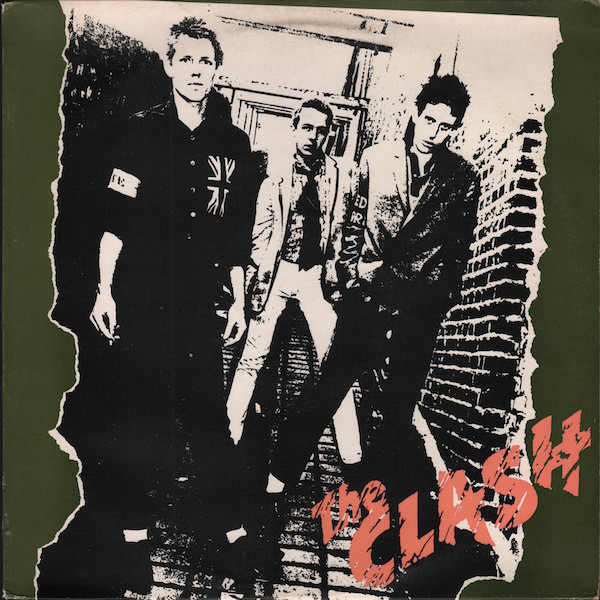


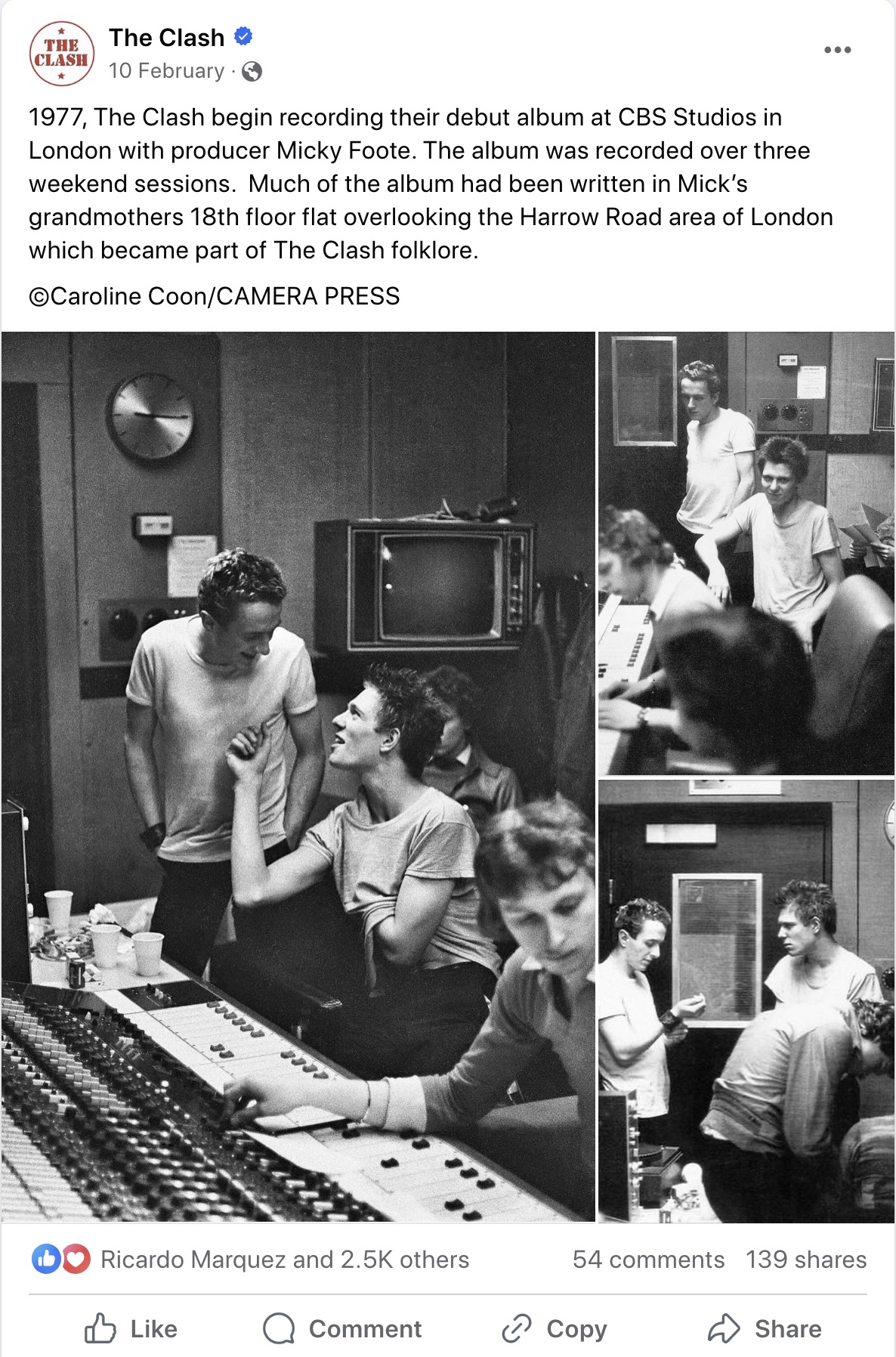

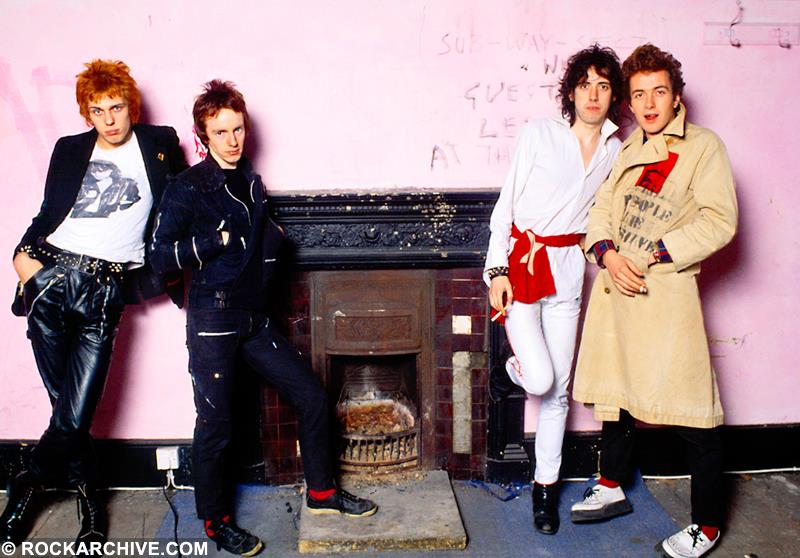

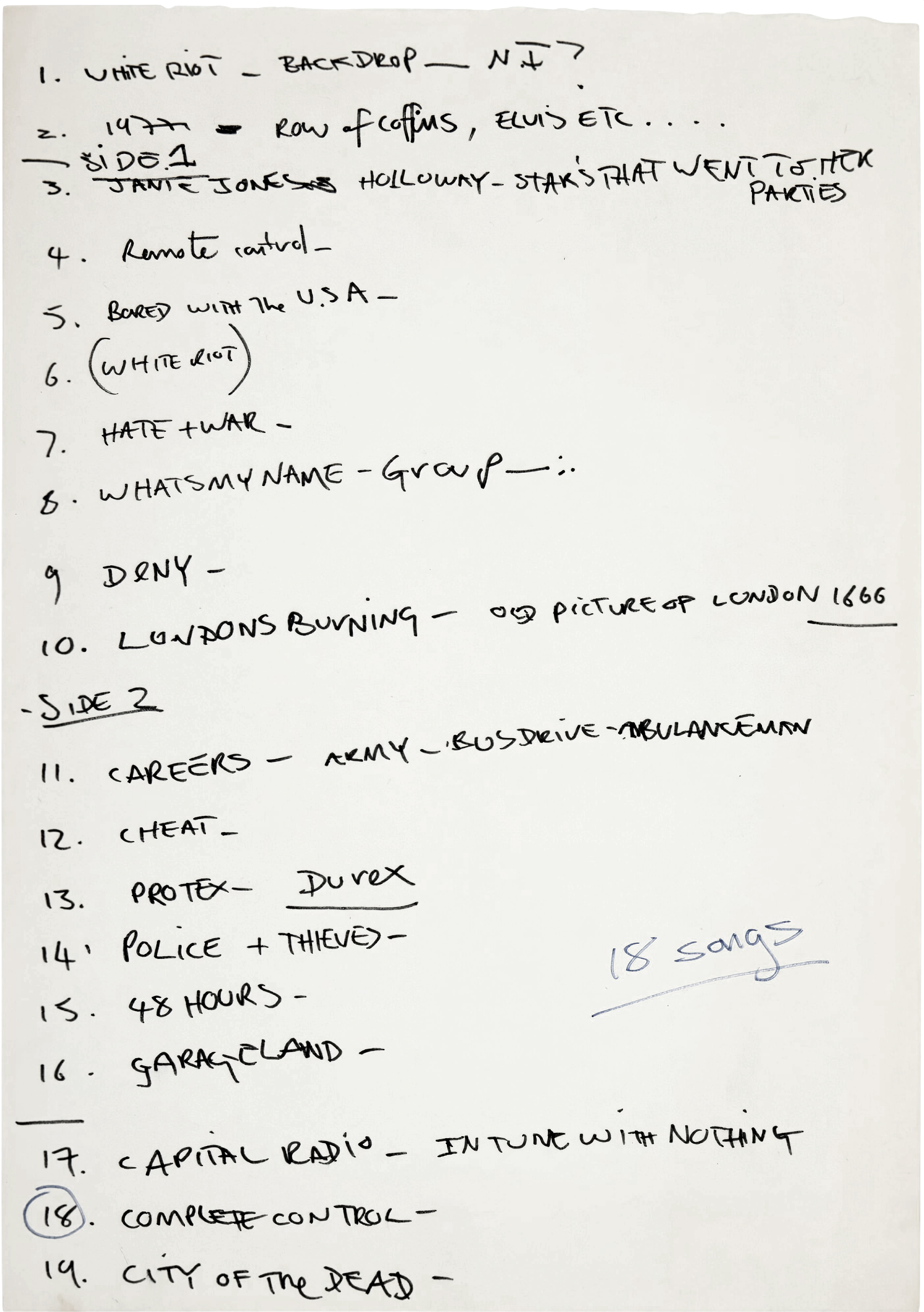
,%201977/1977%2004%201st%20album%20The%20Clash%20Annotated%20Track%20Lists%20and%20Lyrics%20forThe%20Clash%20Album%20(28%20Items),%201977.jpg)
,%201977/2.jpg)
,%201977/3.jpg)

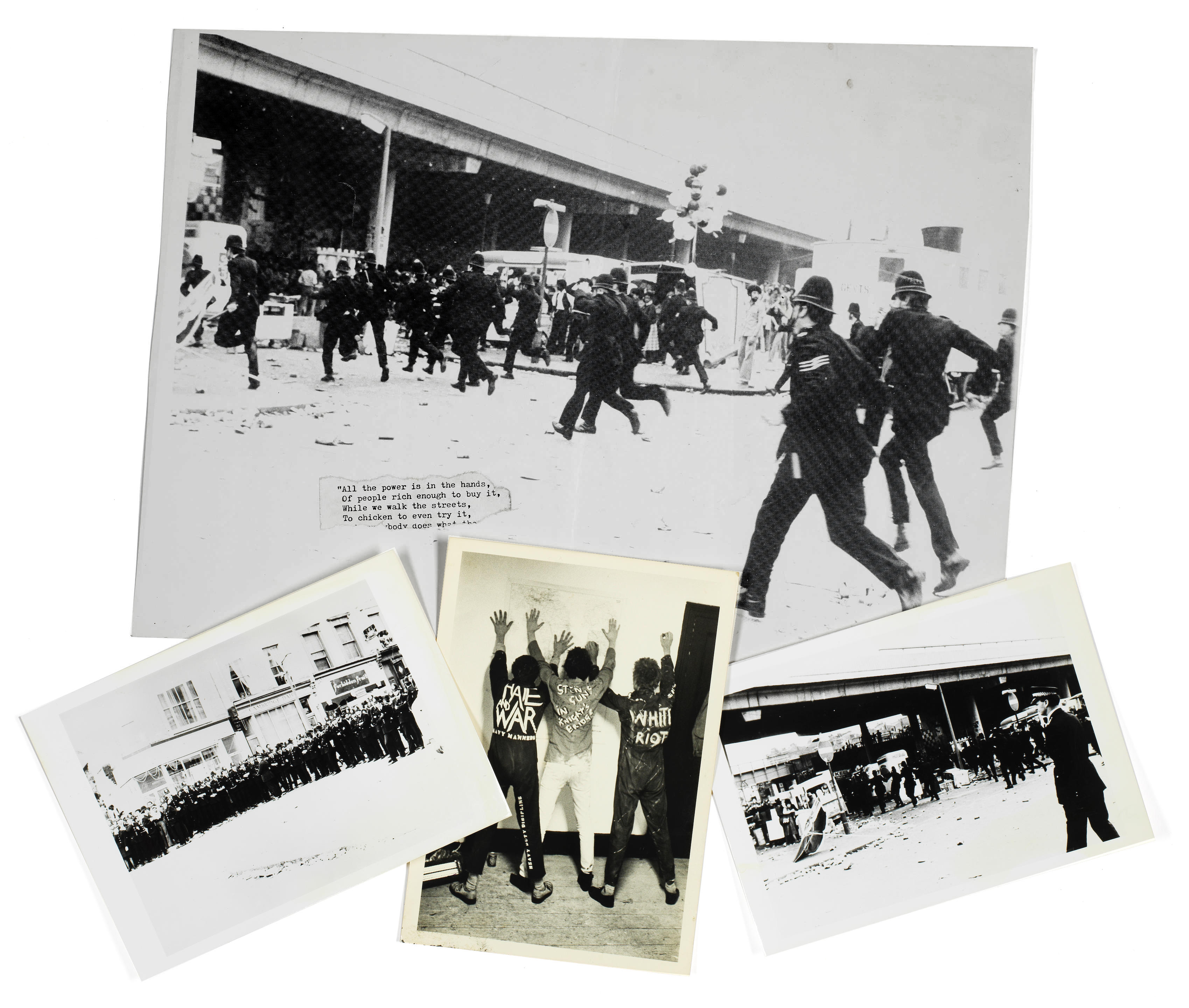


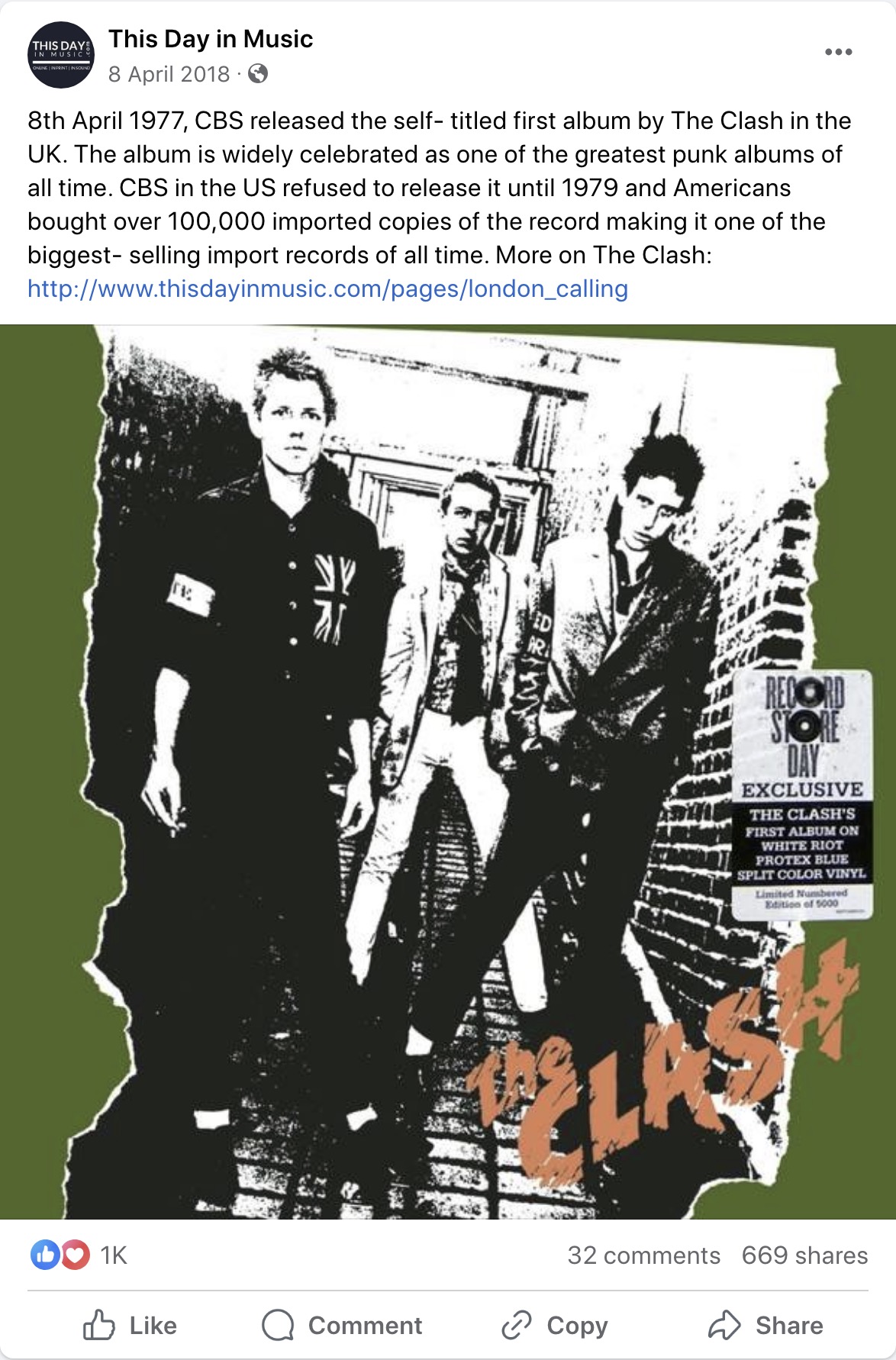


/Burton-Daily-Mail---Friday-26-November-1982-550.jpg)
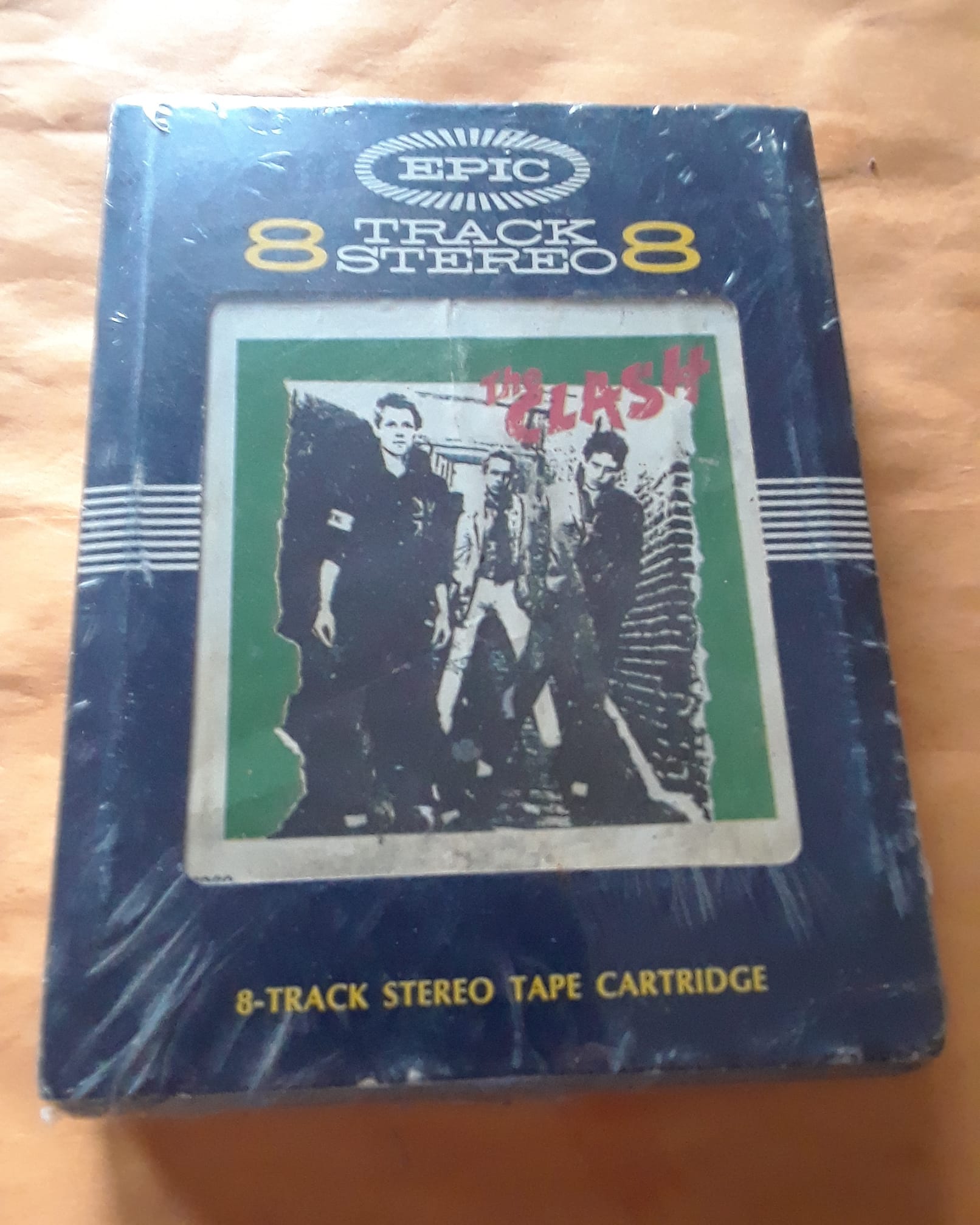
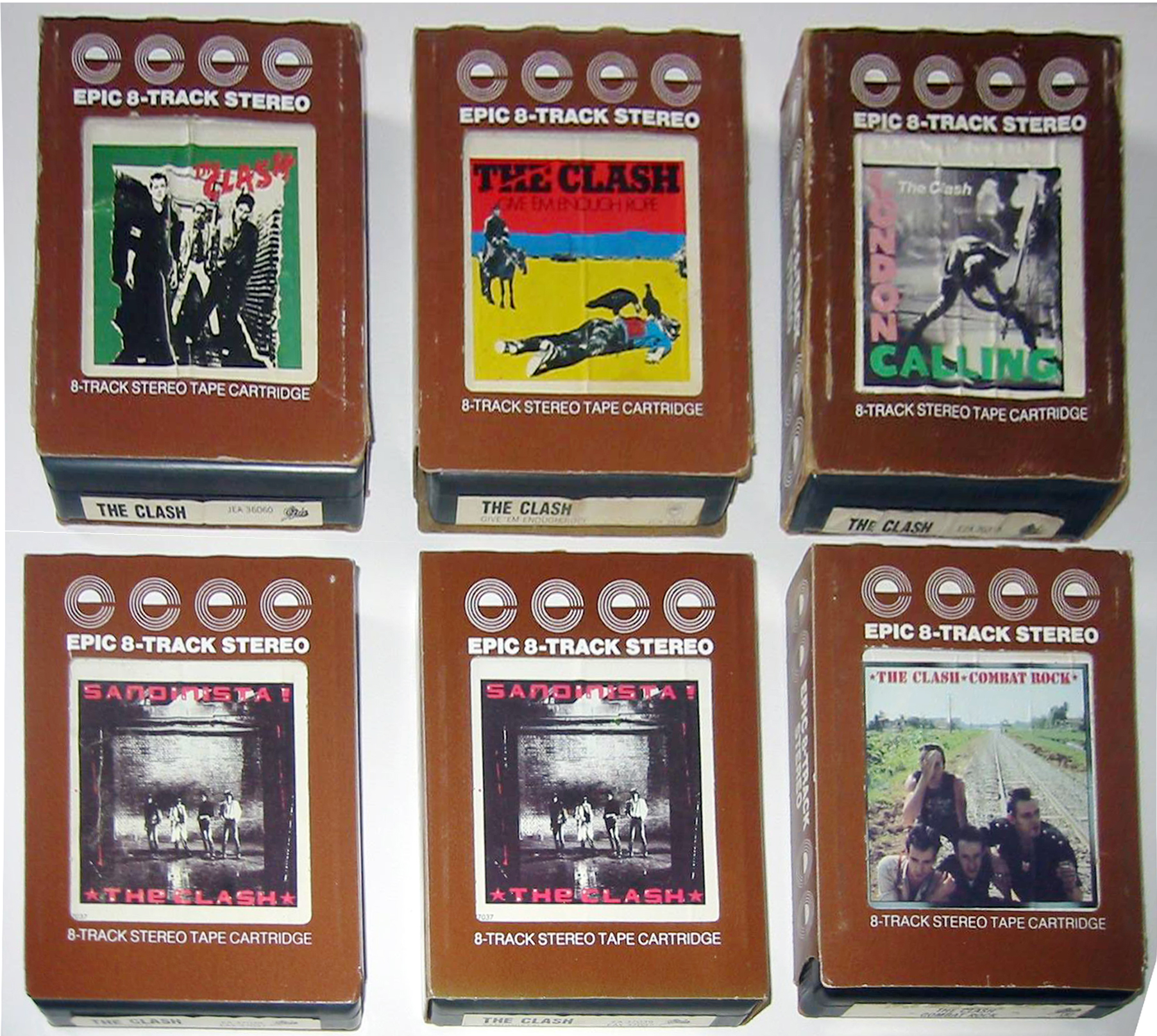
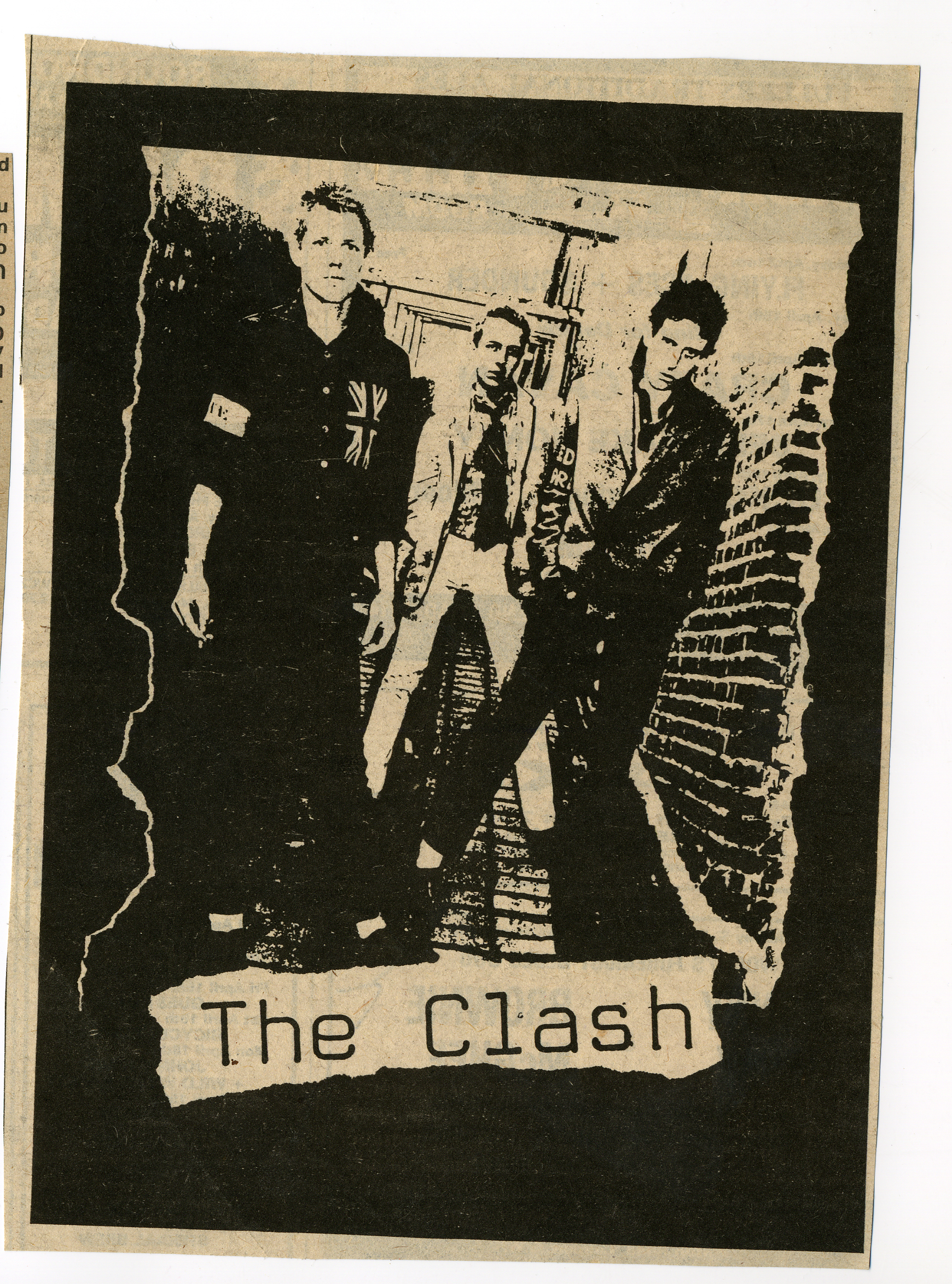
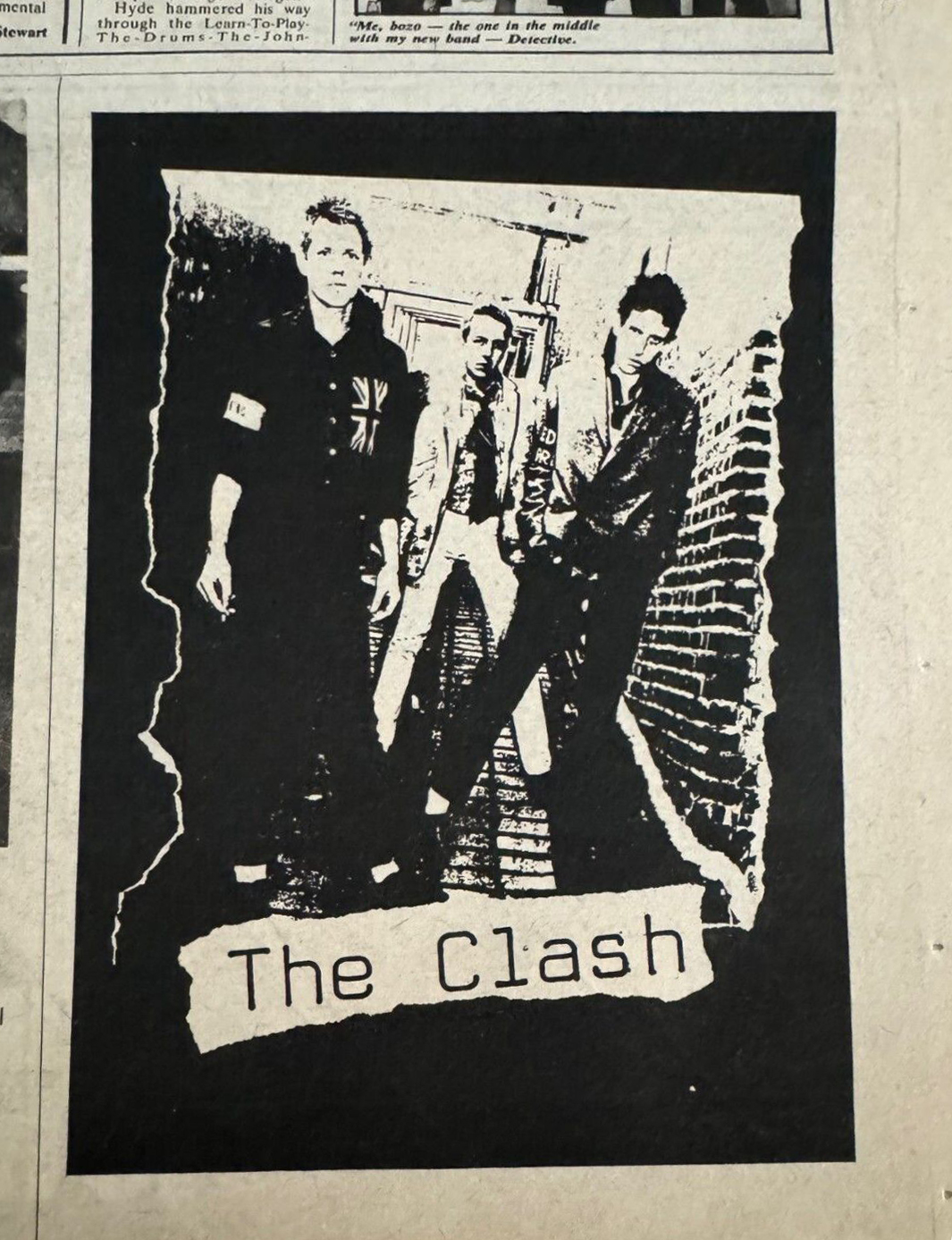
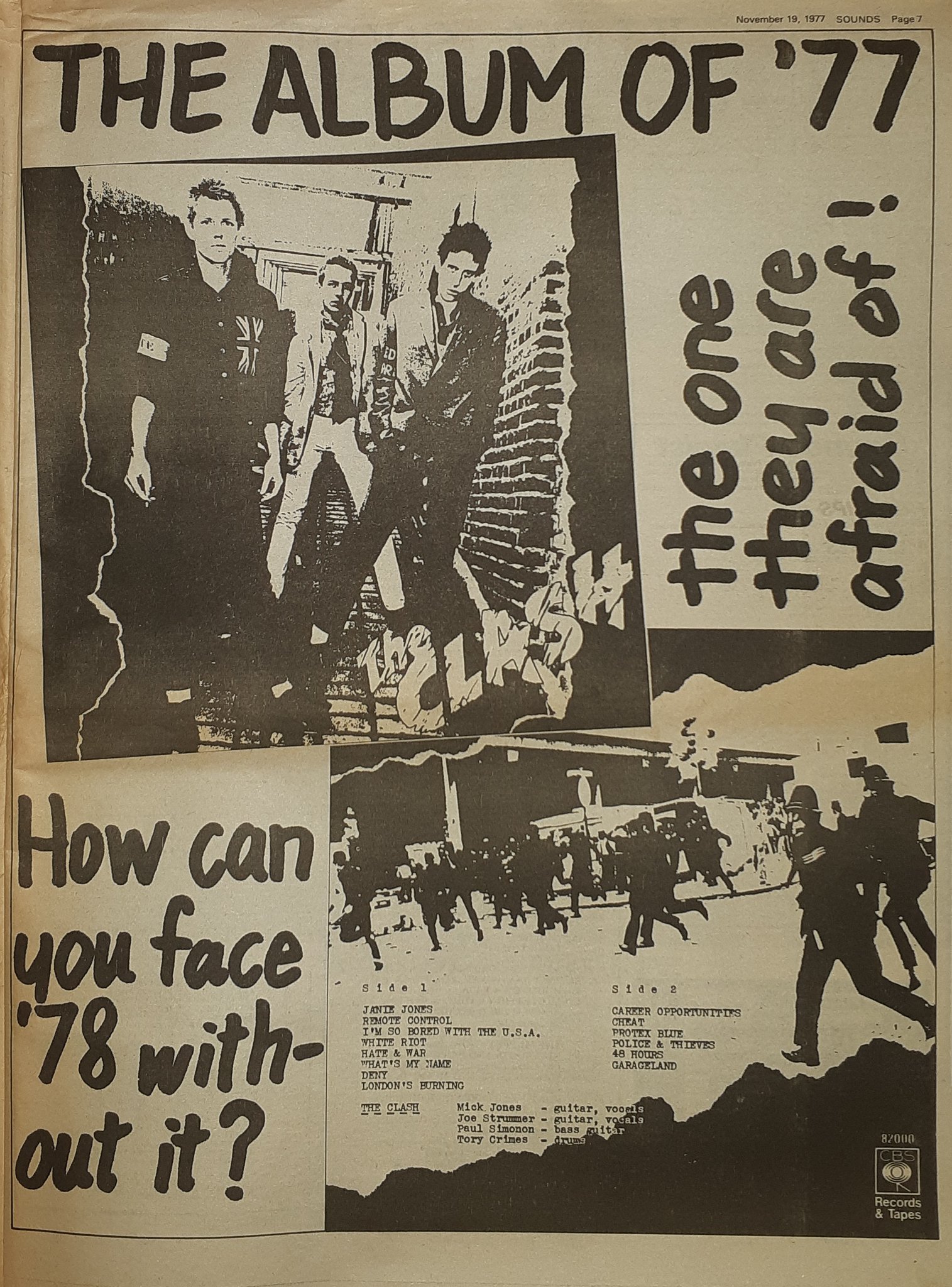
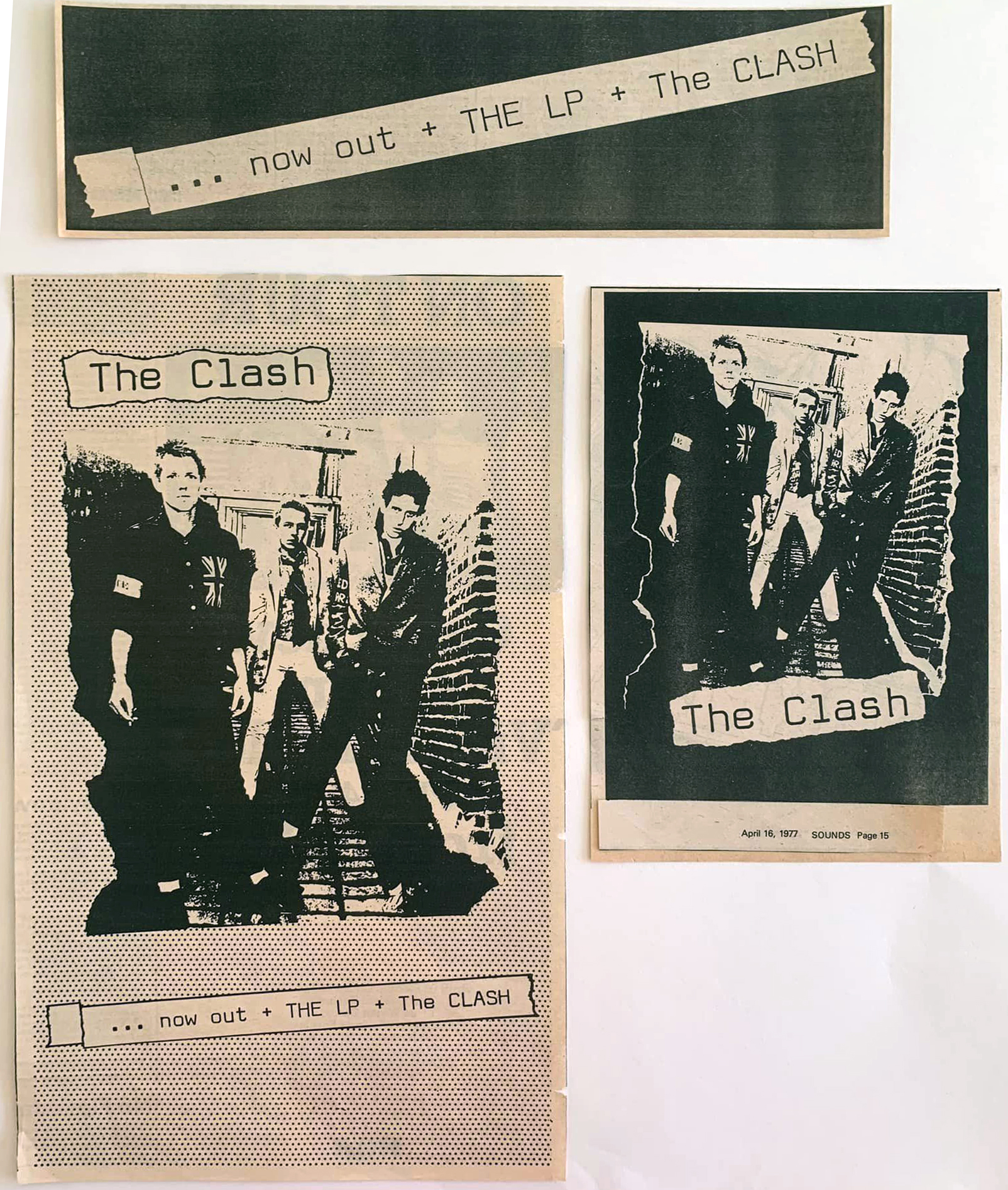
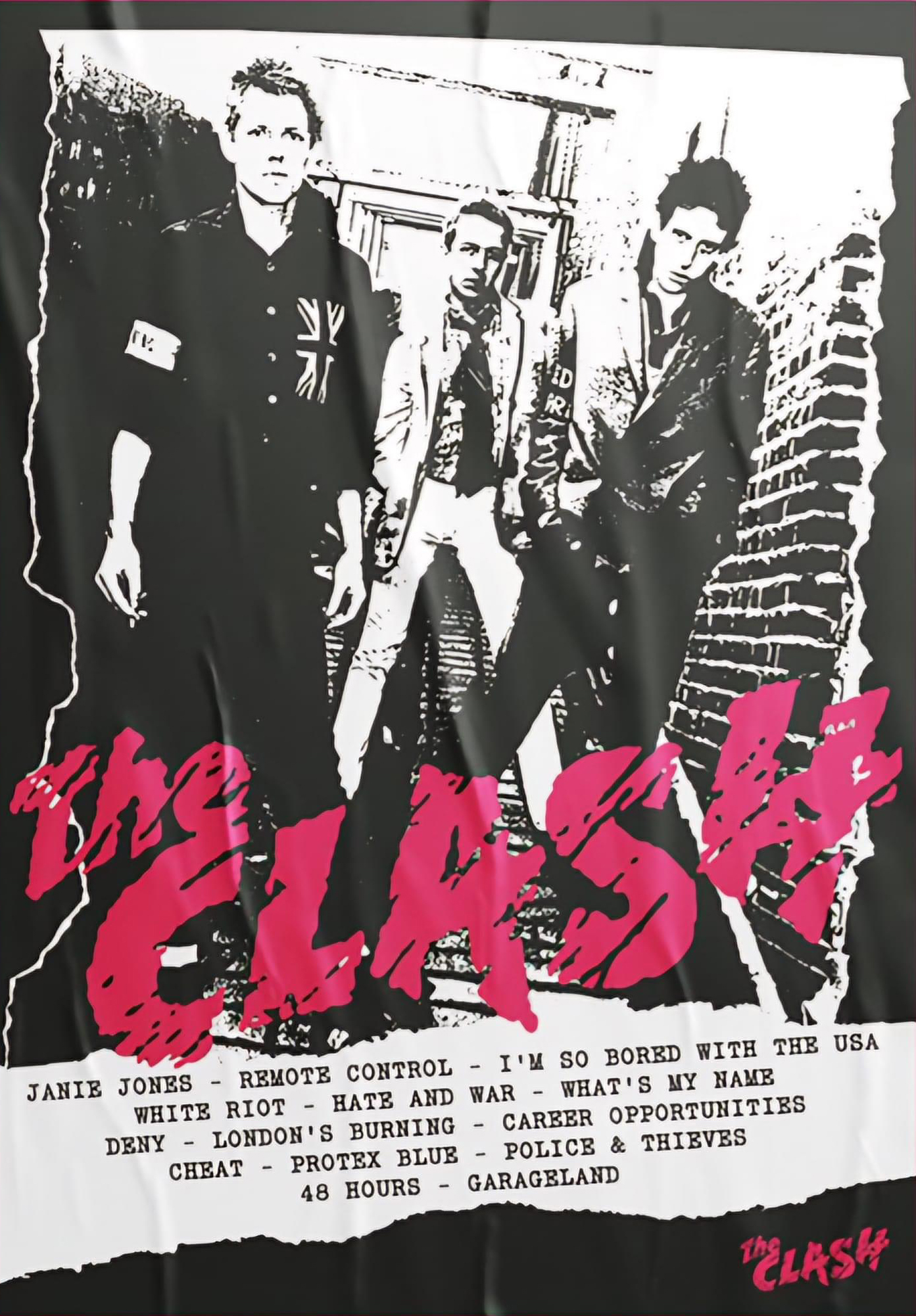
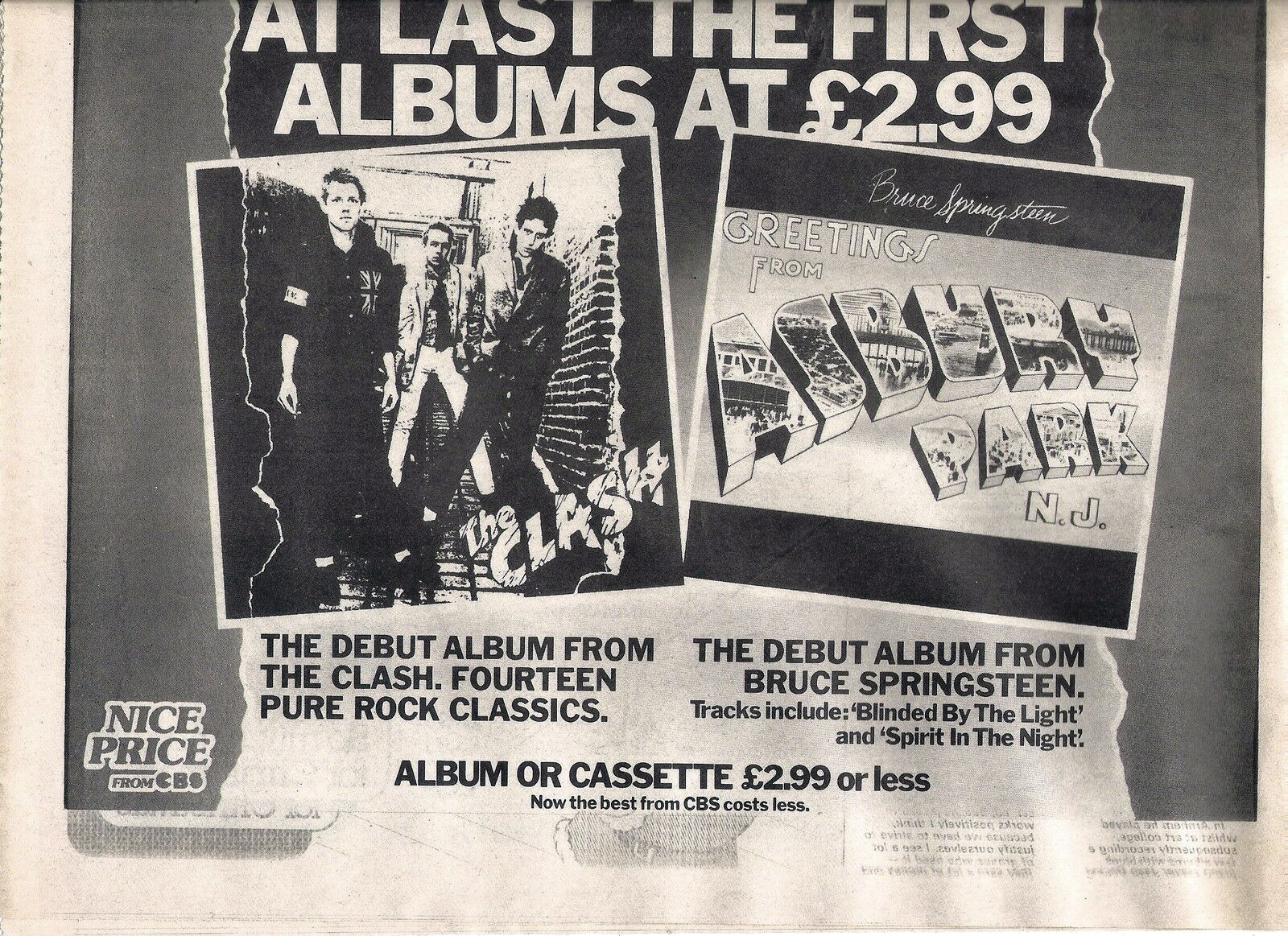
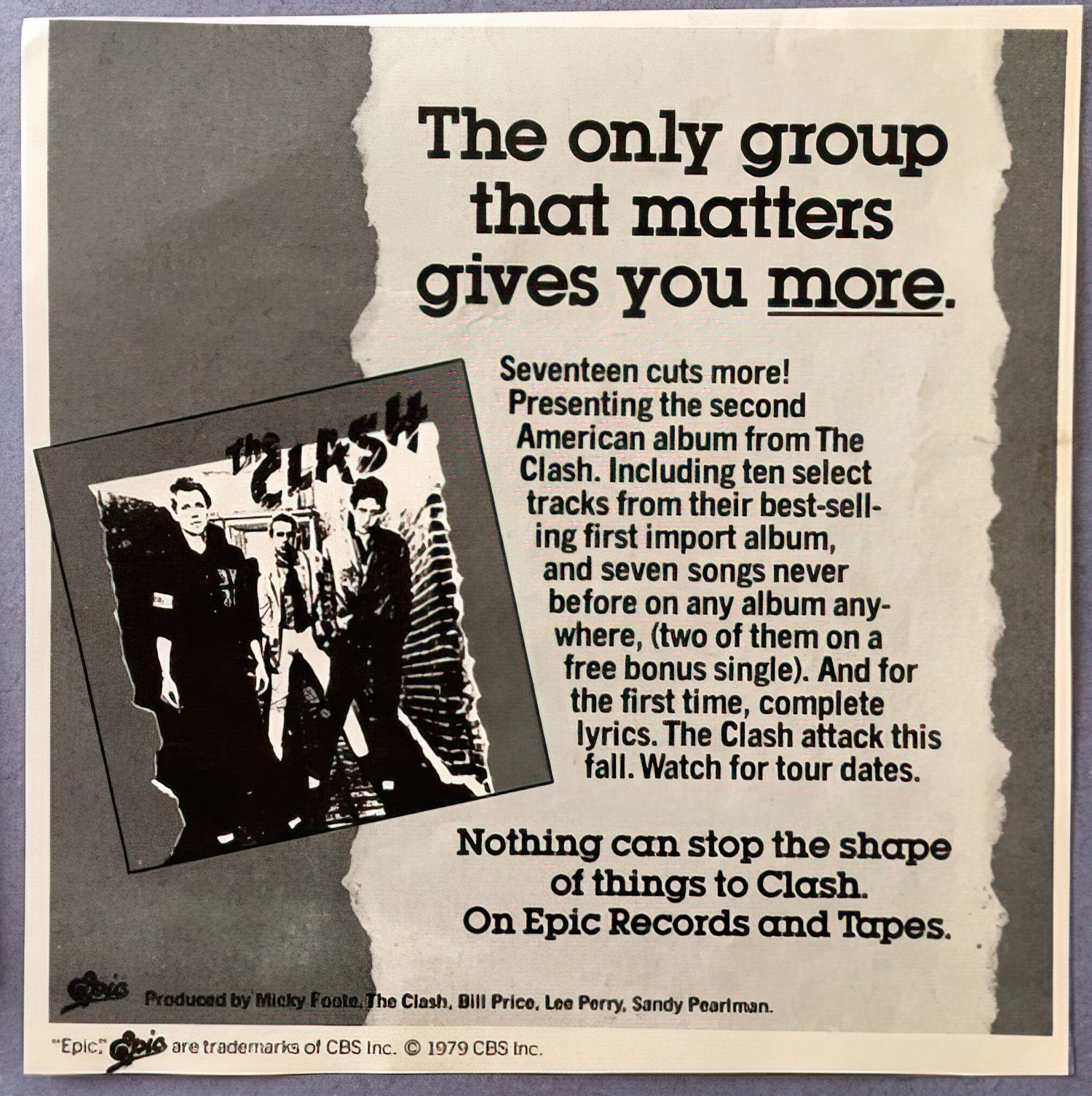


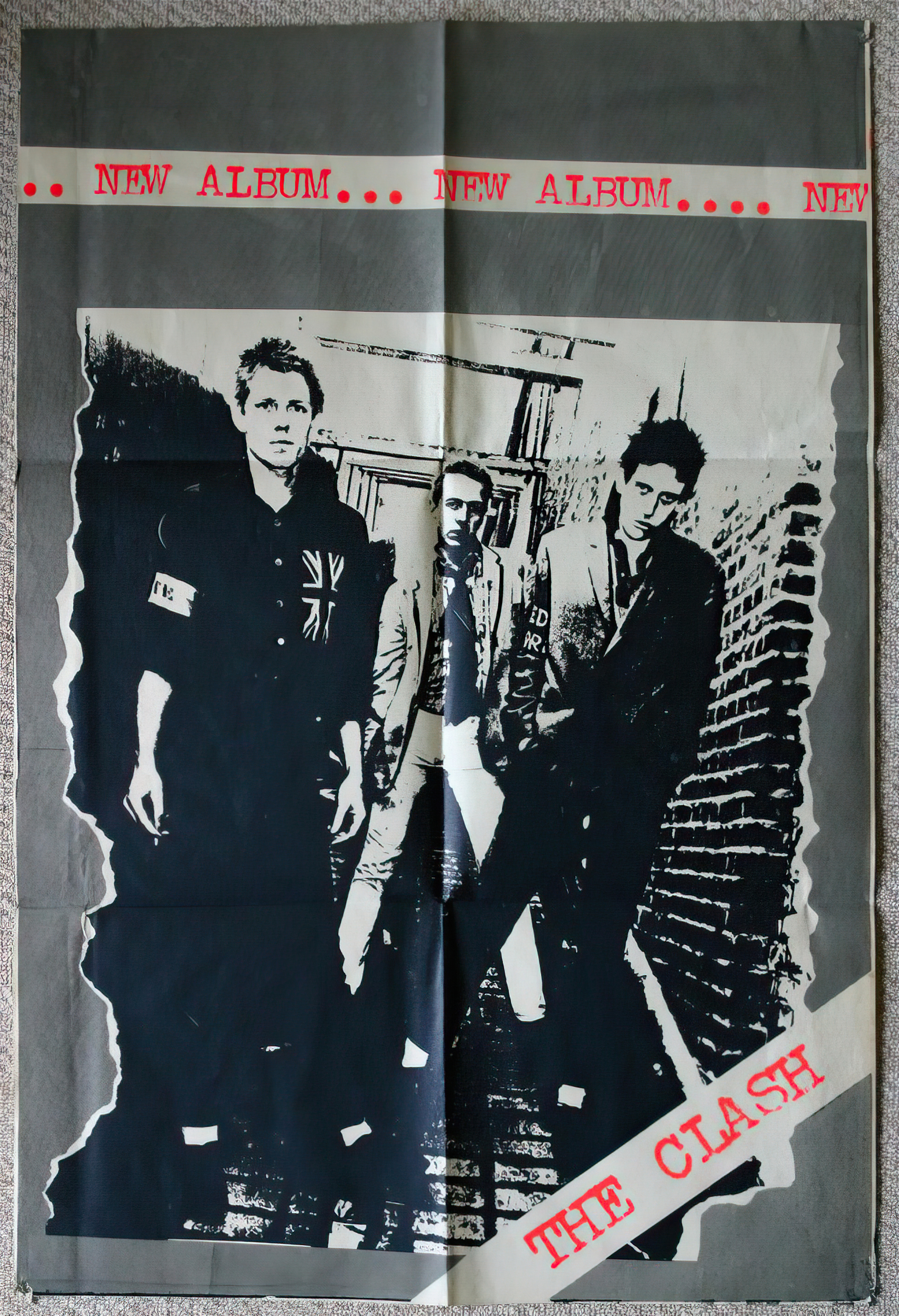

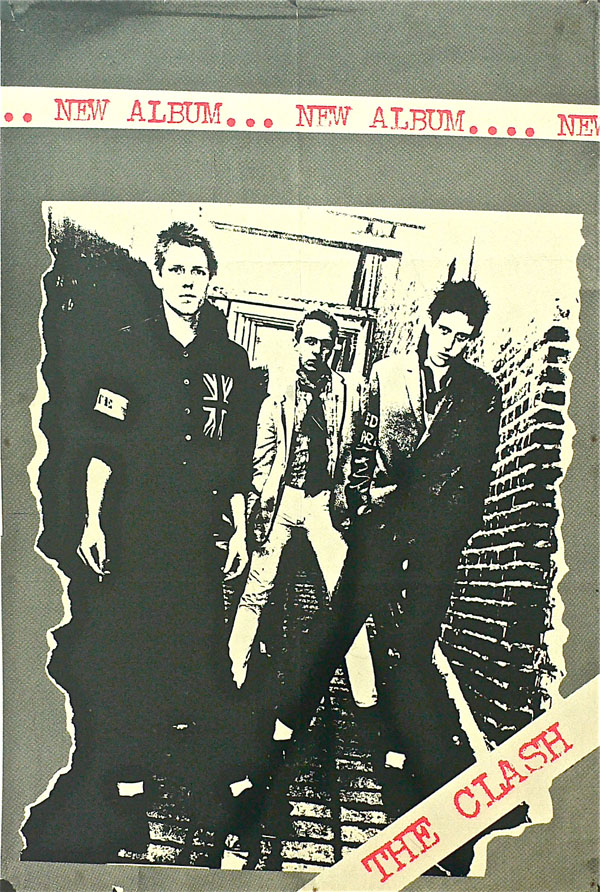
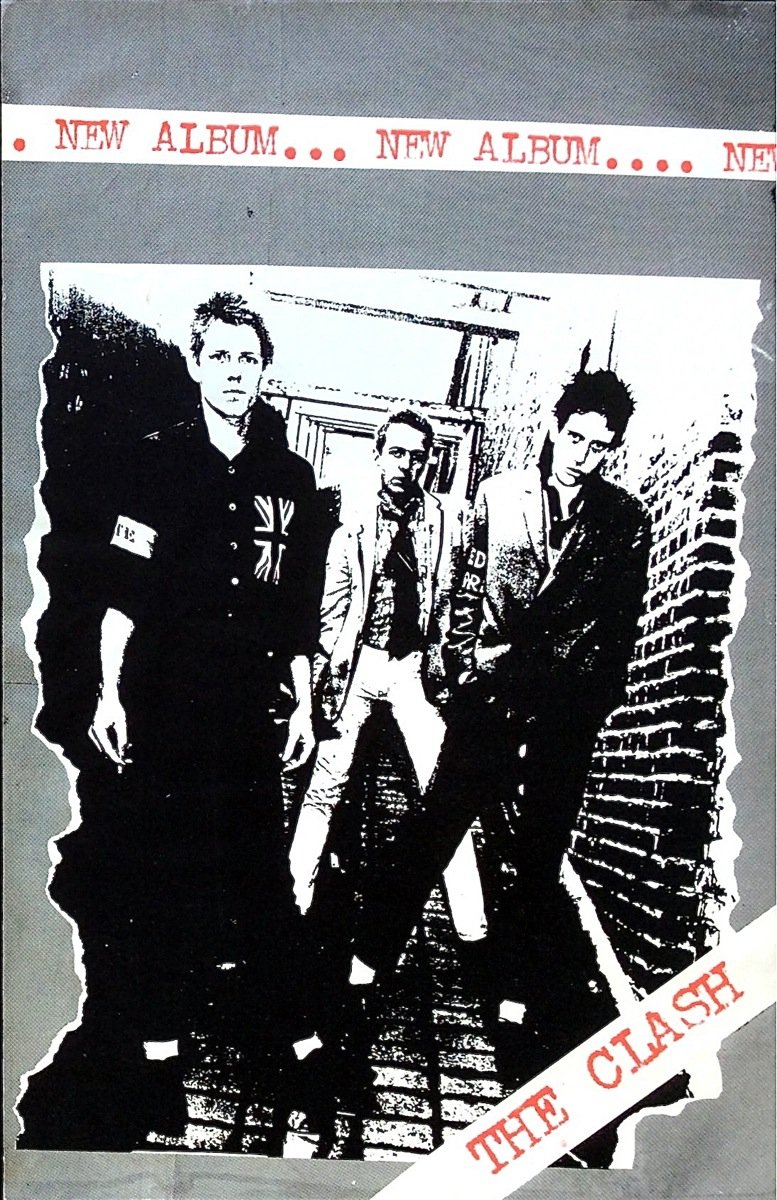
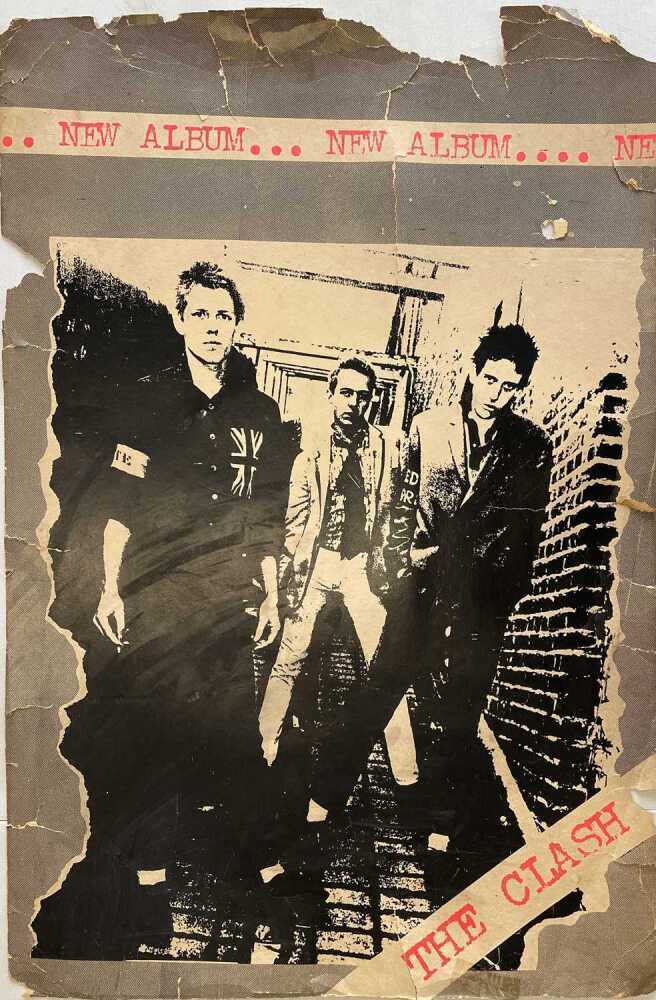


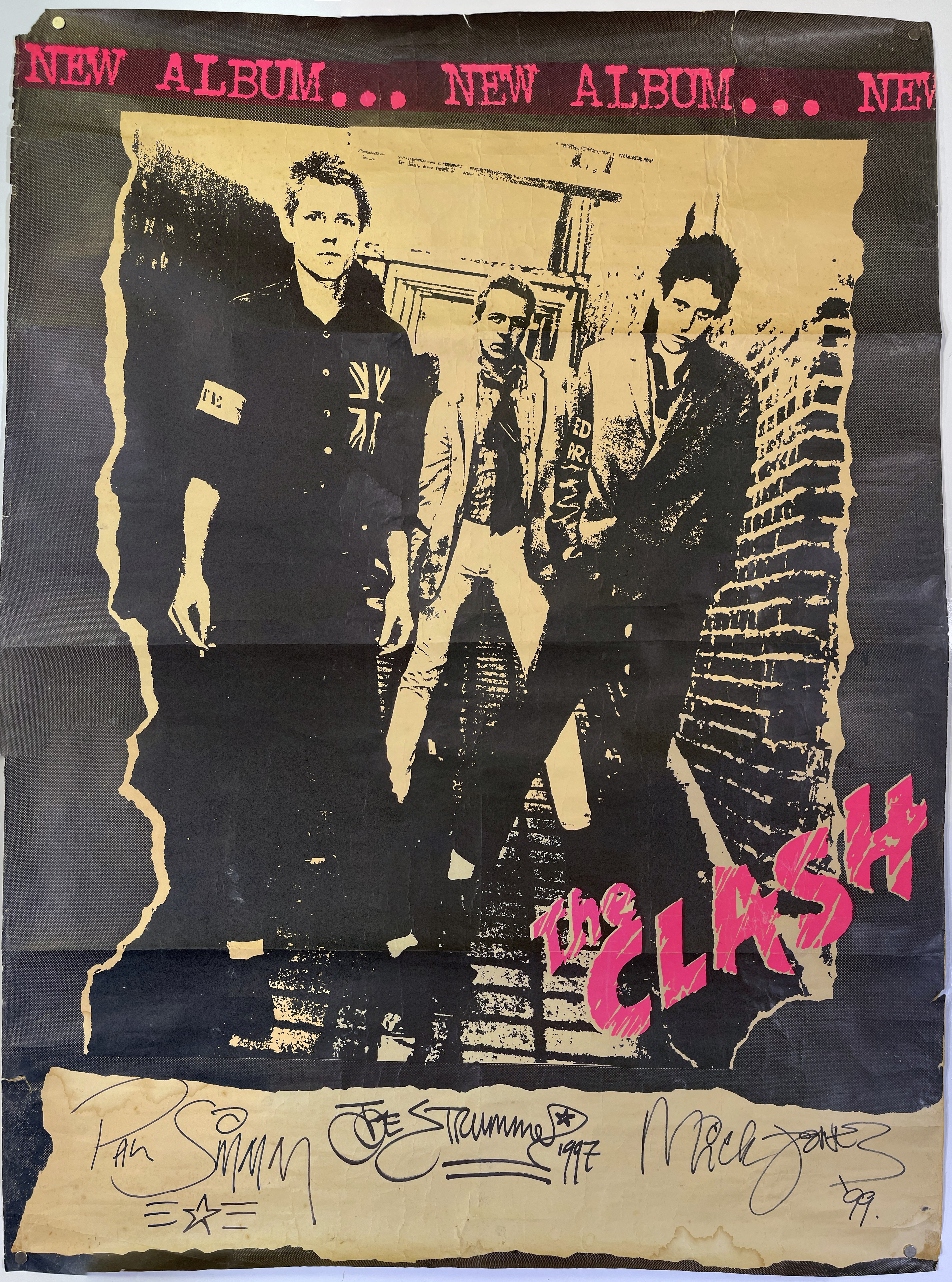
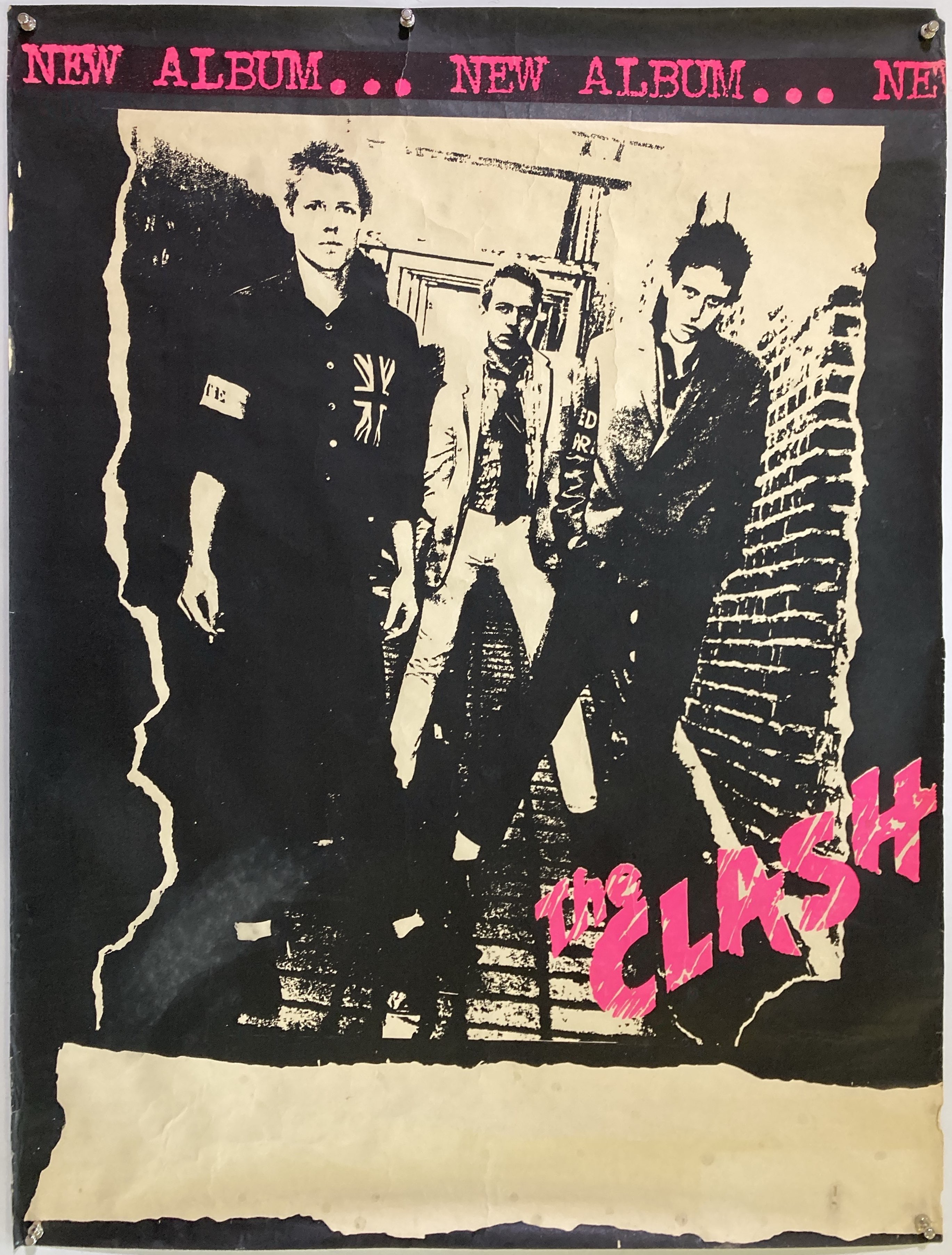
%20CHRISTIES.jpg)
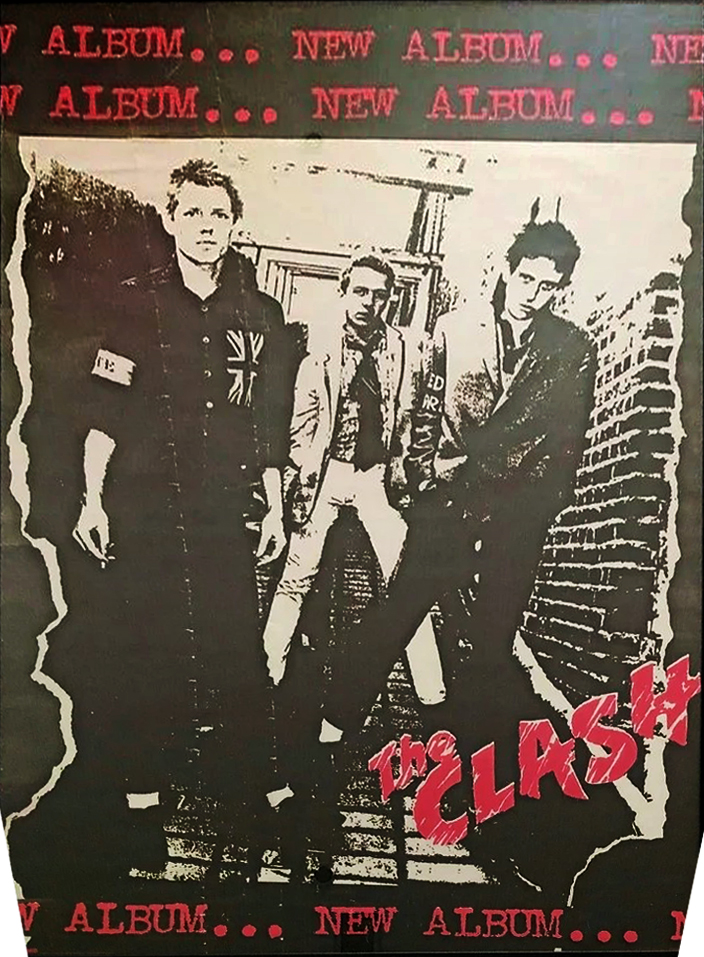
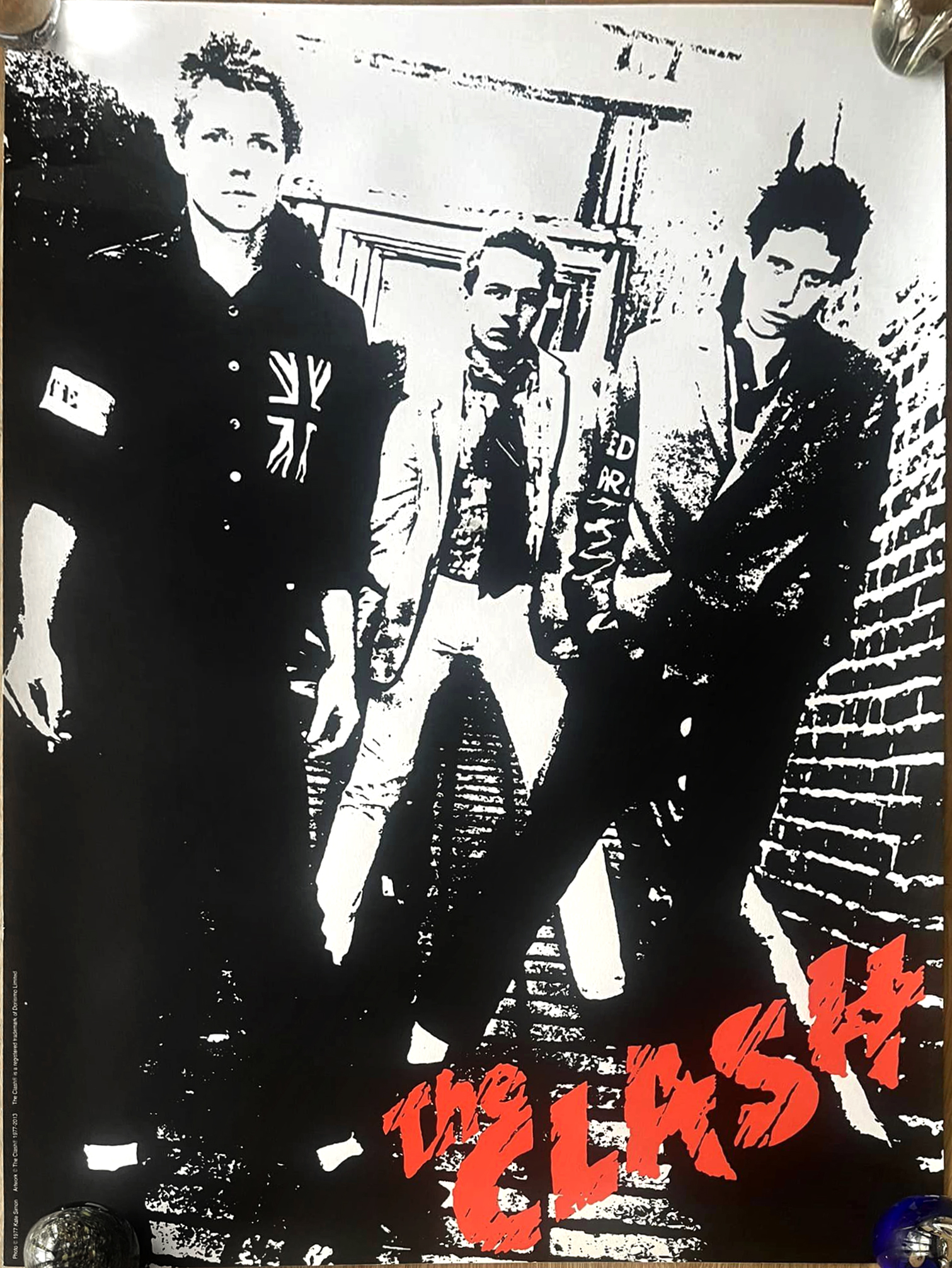
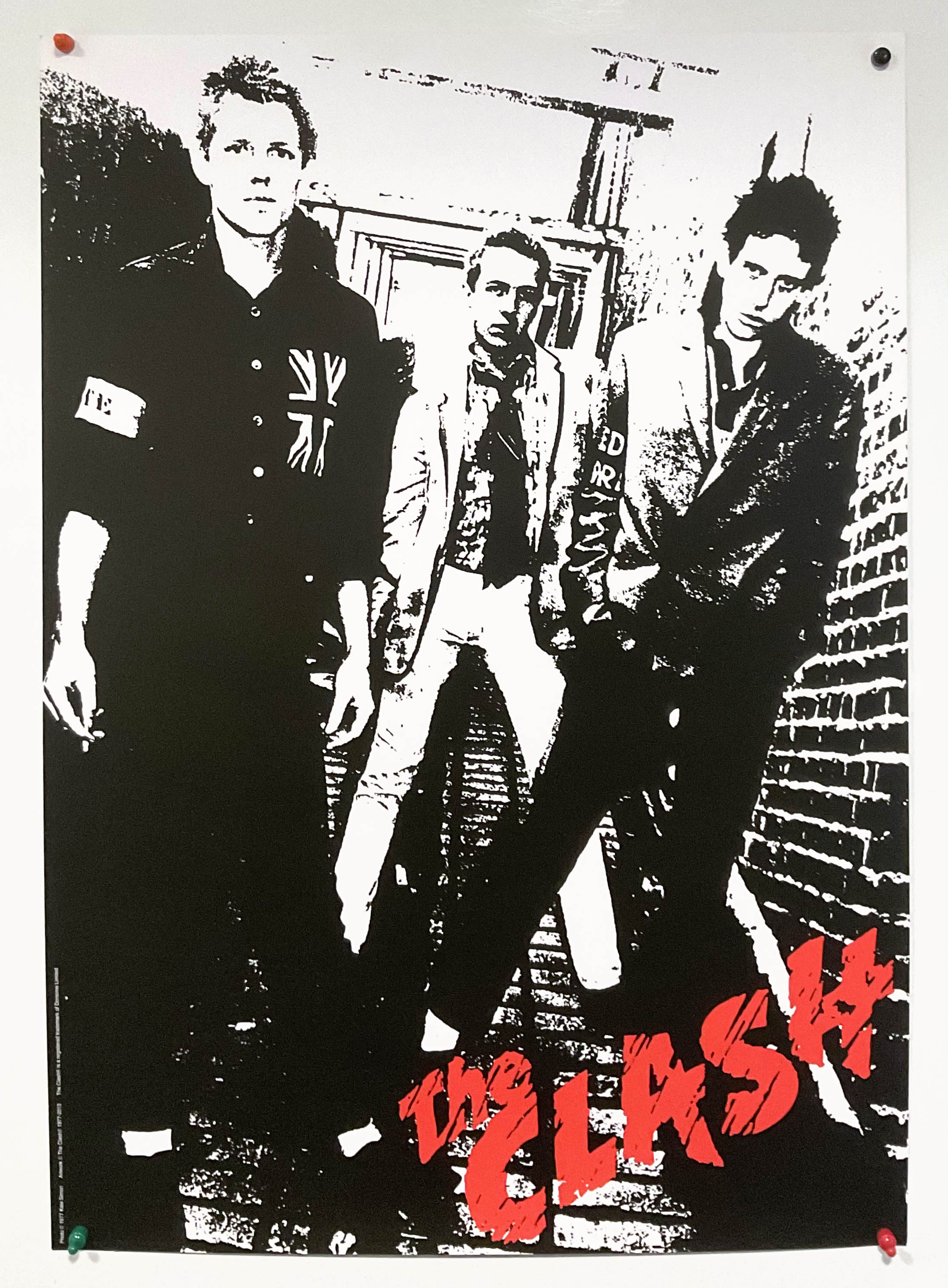
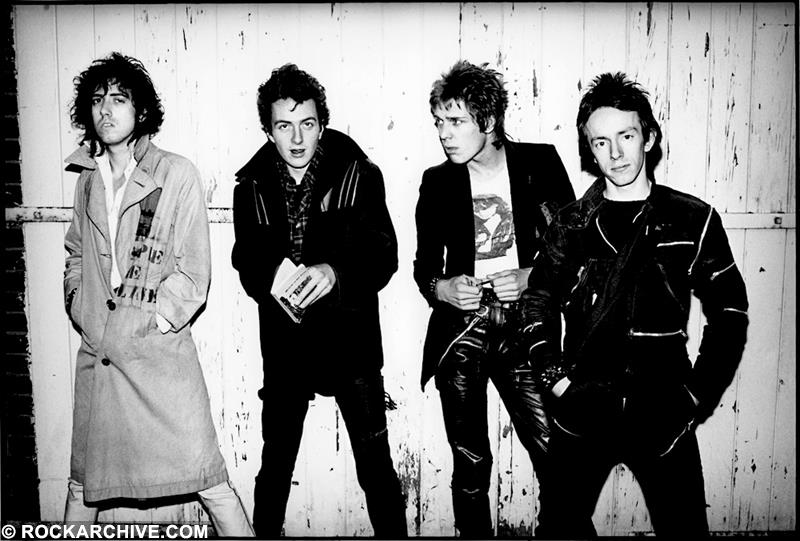


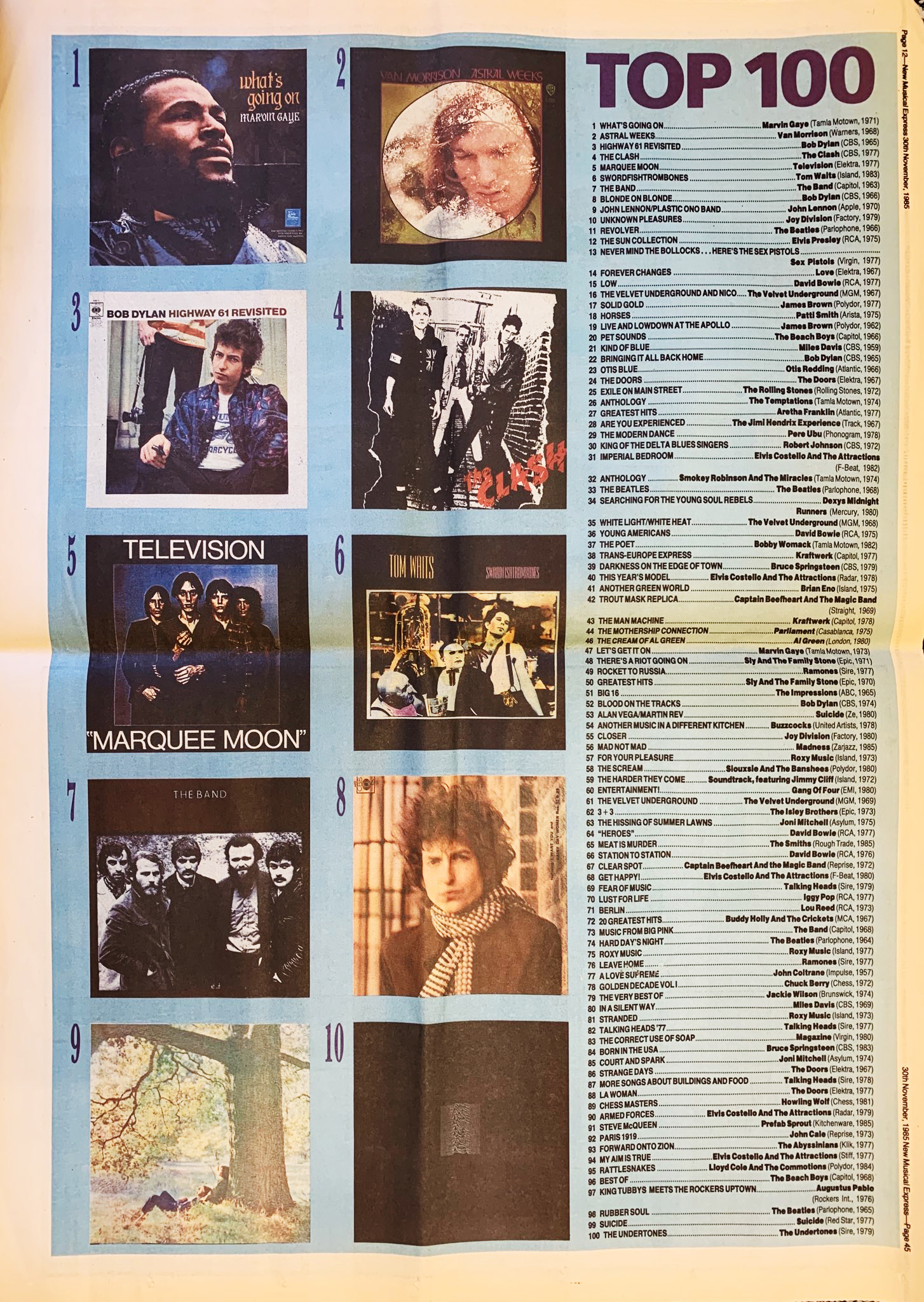
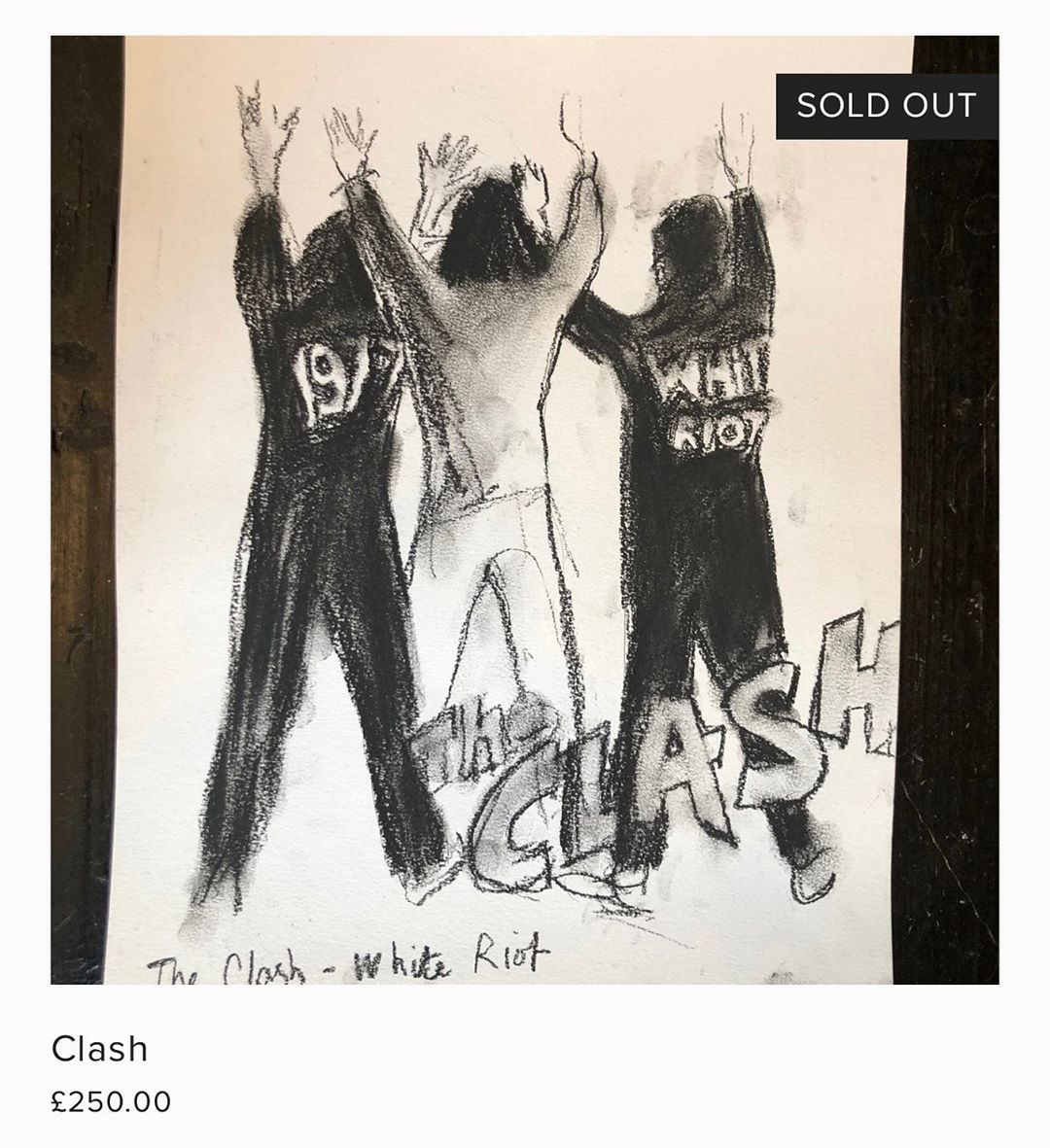
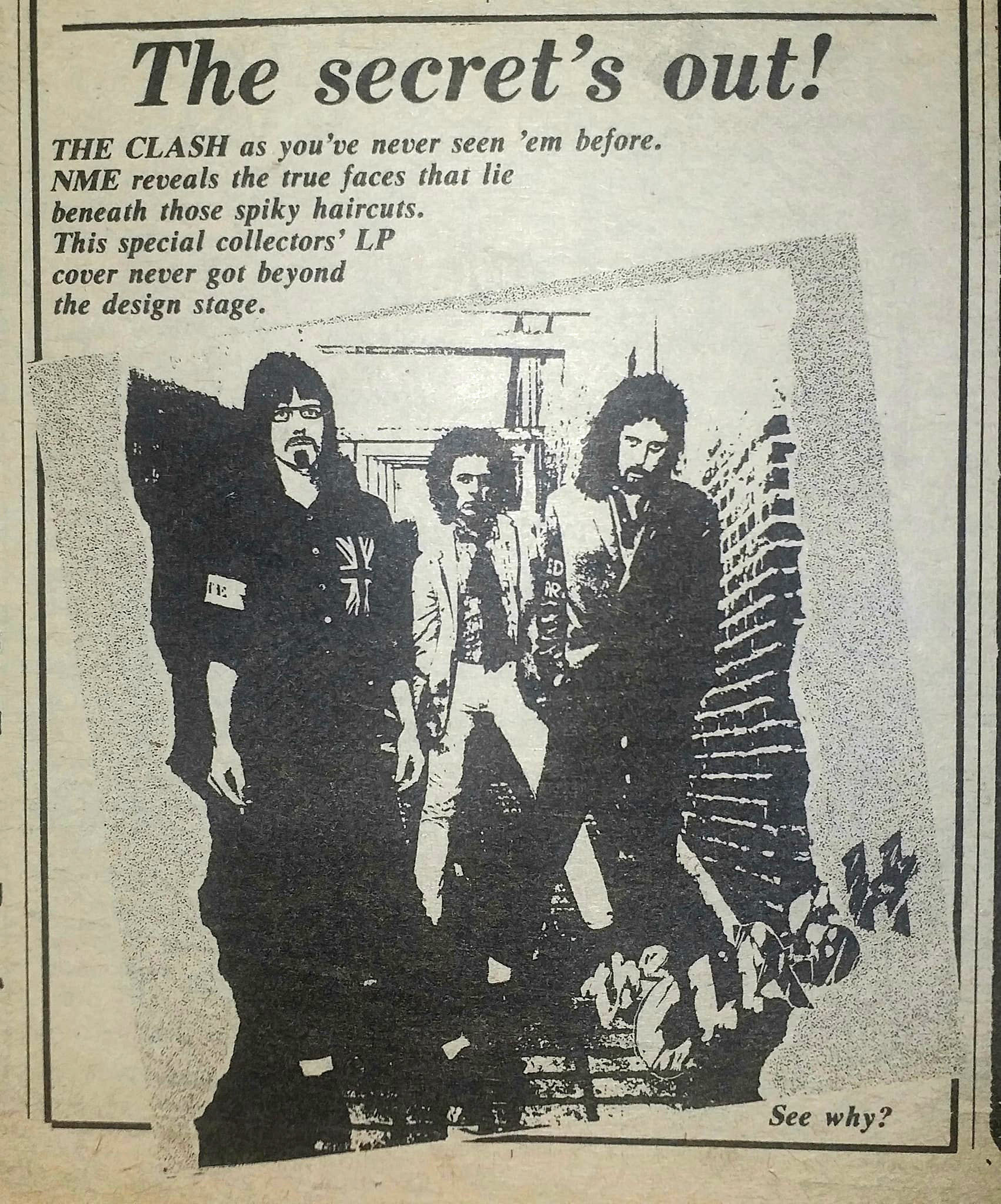
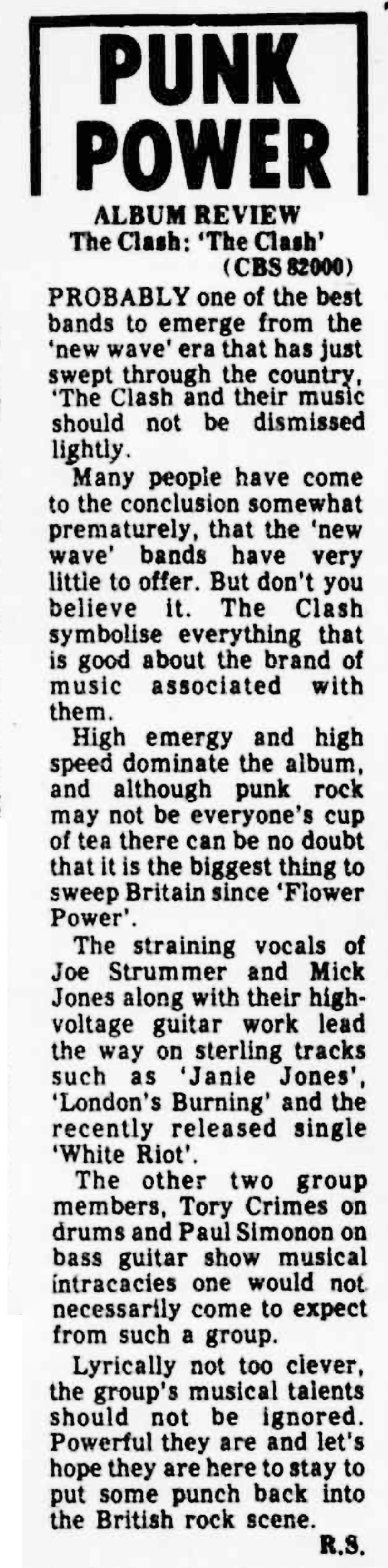
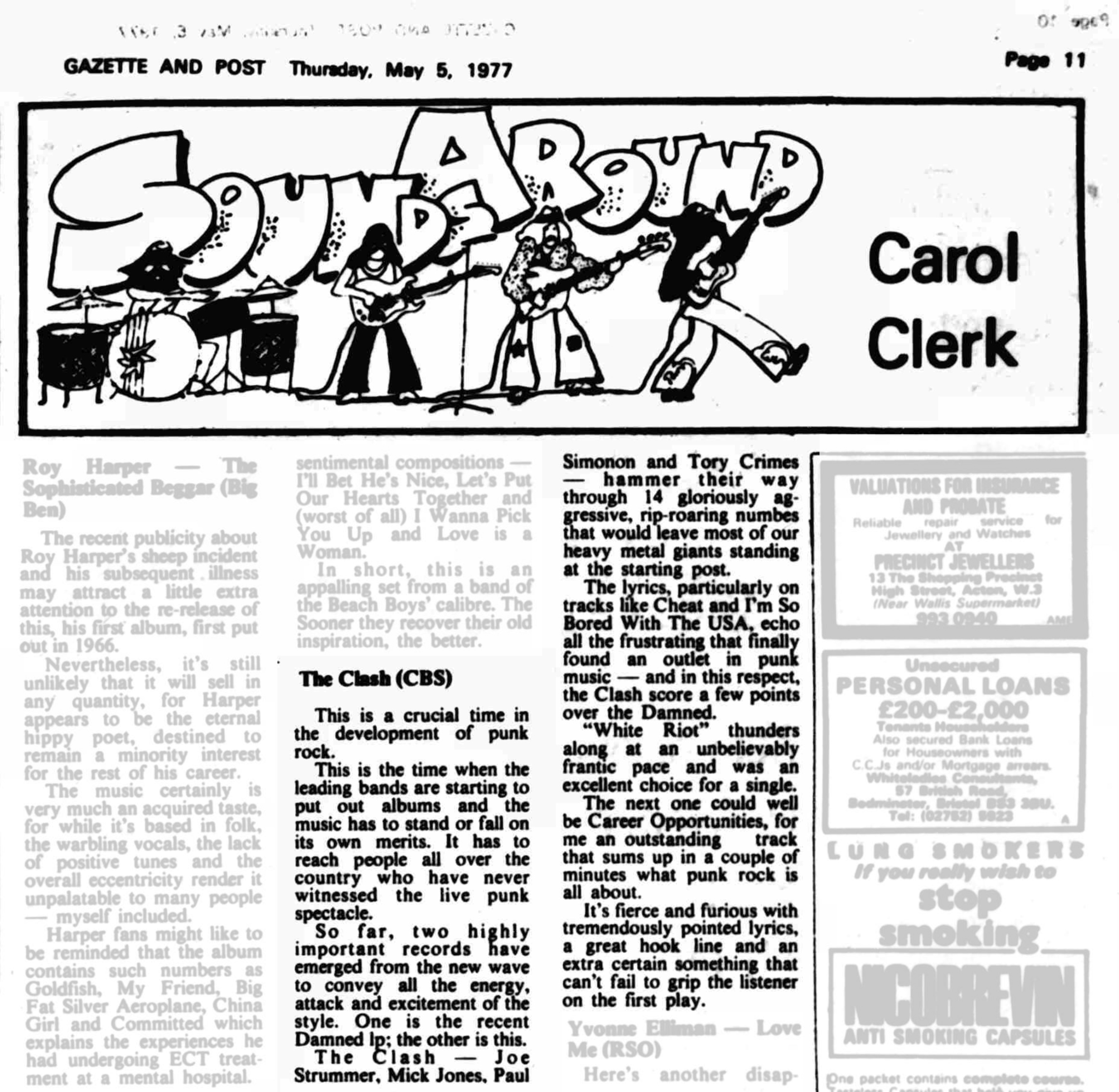
/SOUNDS%201977%2004%2009.html/SOUNDS%201977%2004%2009_files%20copy/SOUNDS%201977%2004%2009-1_500h.jpg)
/SOUNDS%201977%2004%2009.html/SOUNDS%201977%2004%2009_files%20copy/SOUNDS%201977%2004%2009-4_500h.jpg)


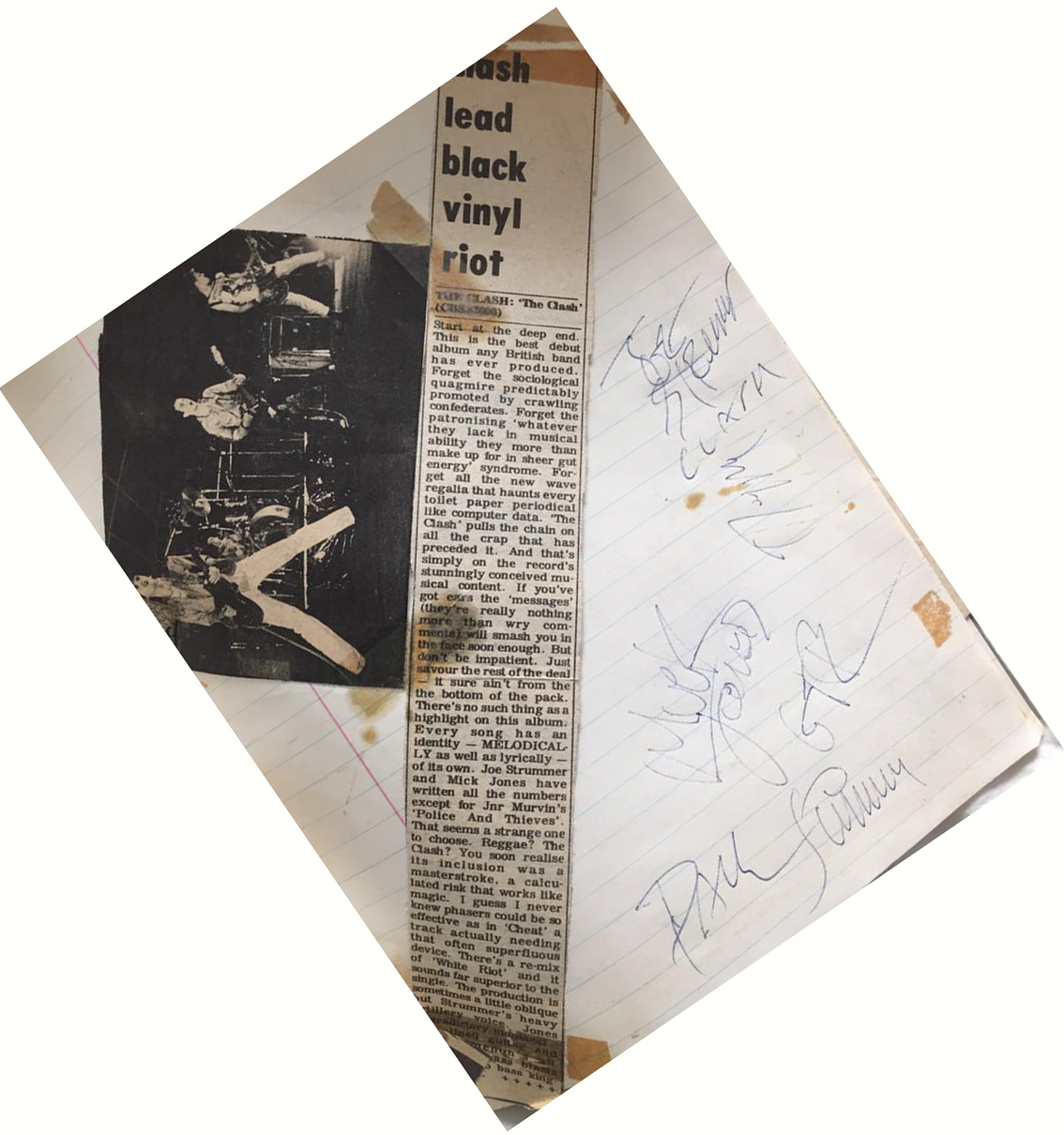

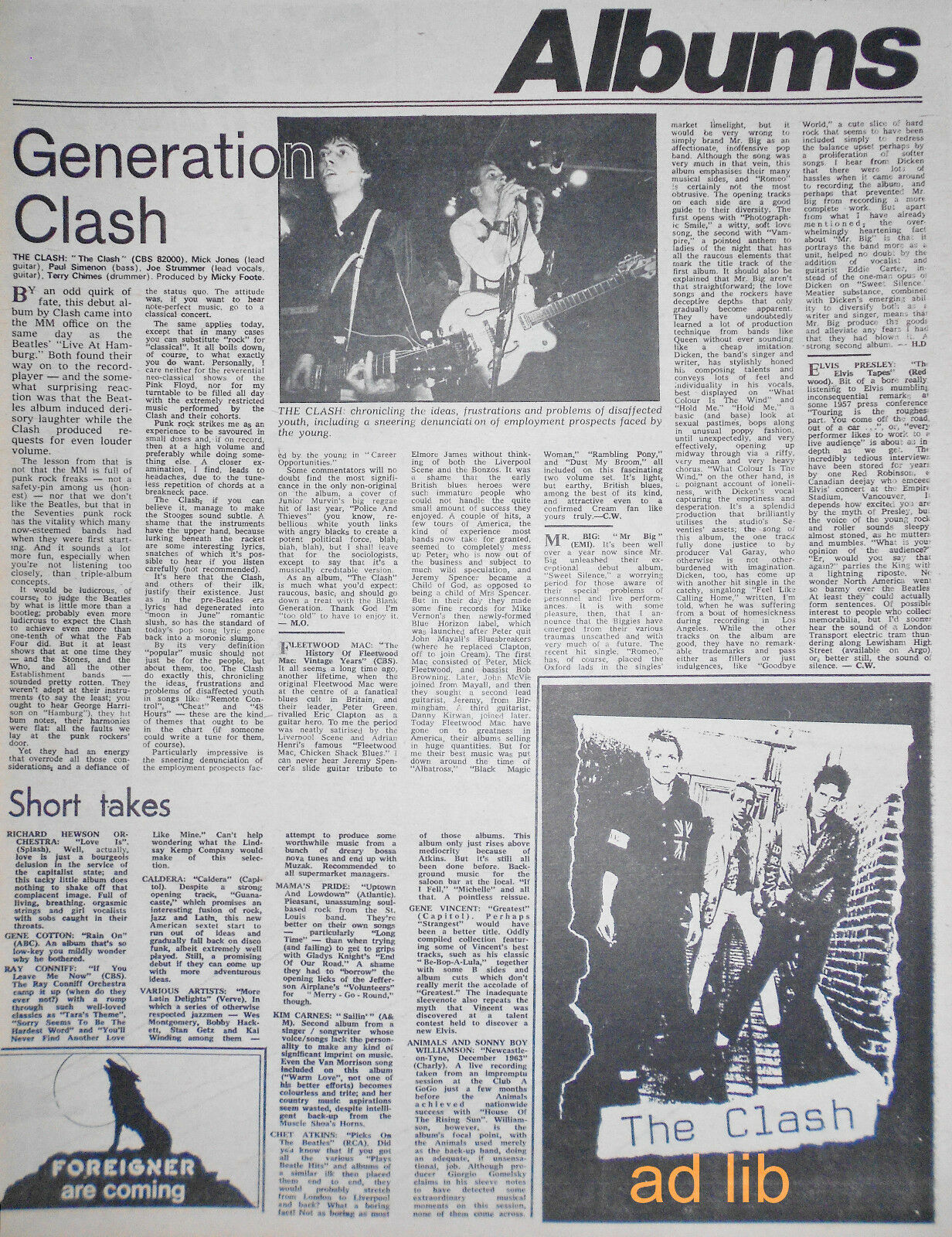

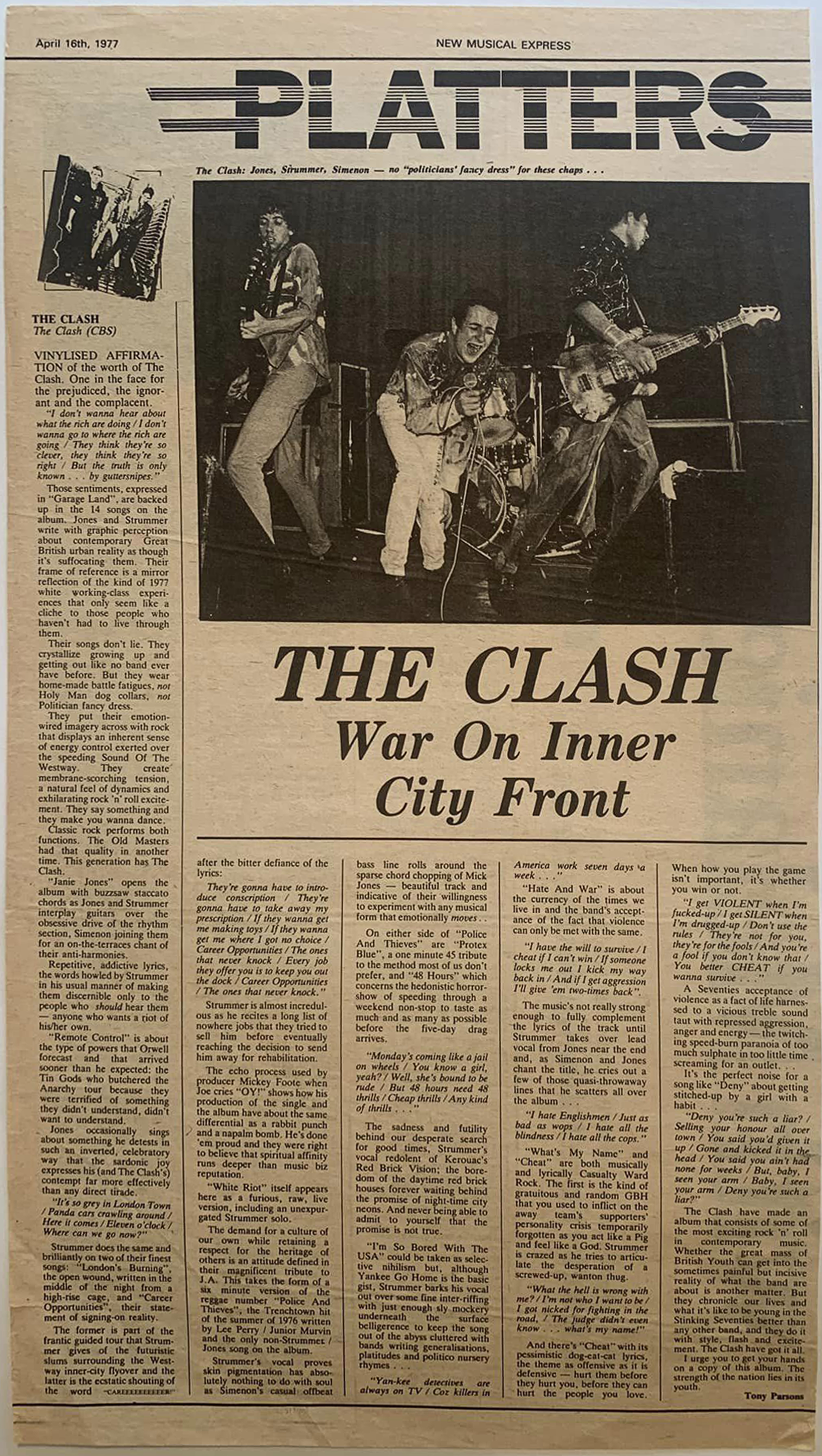
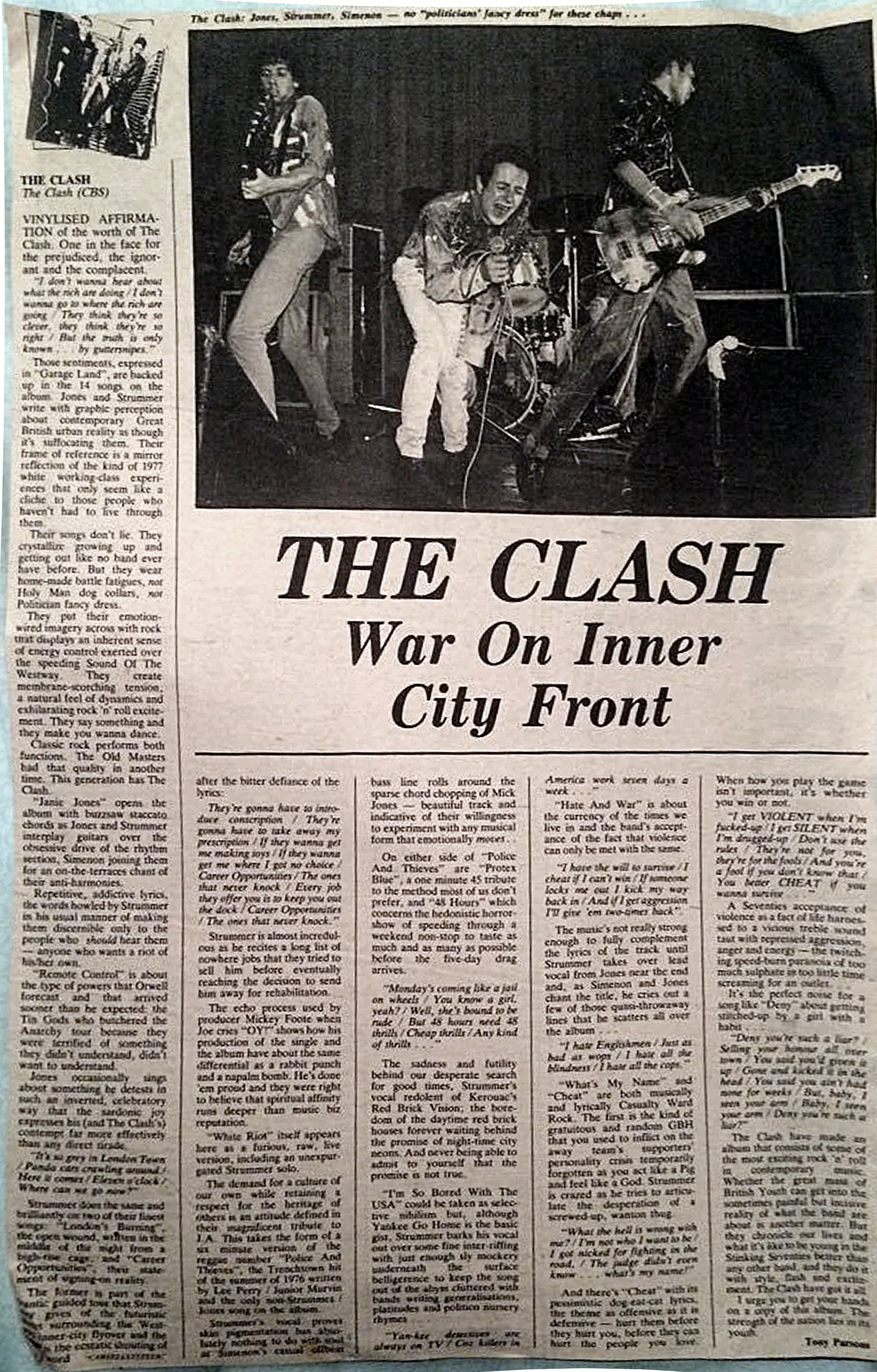
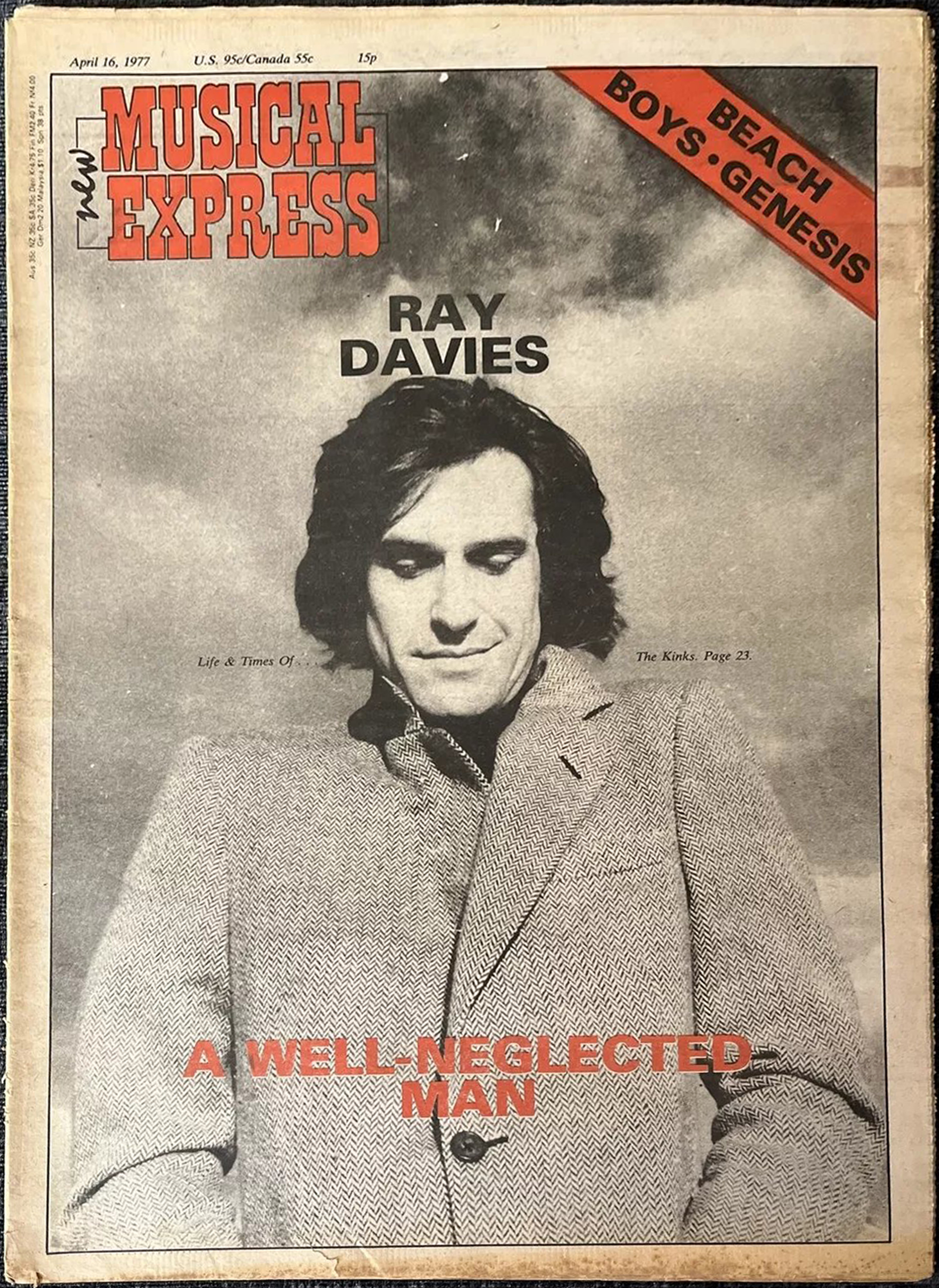
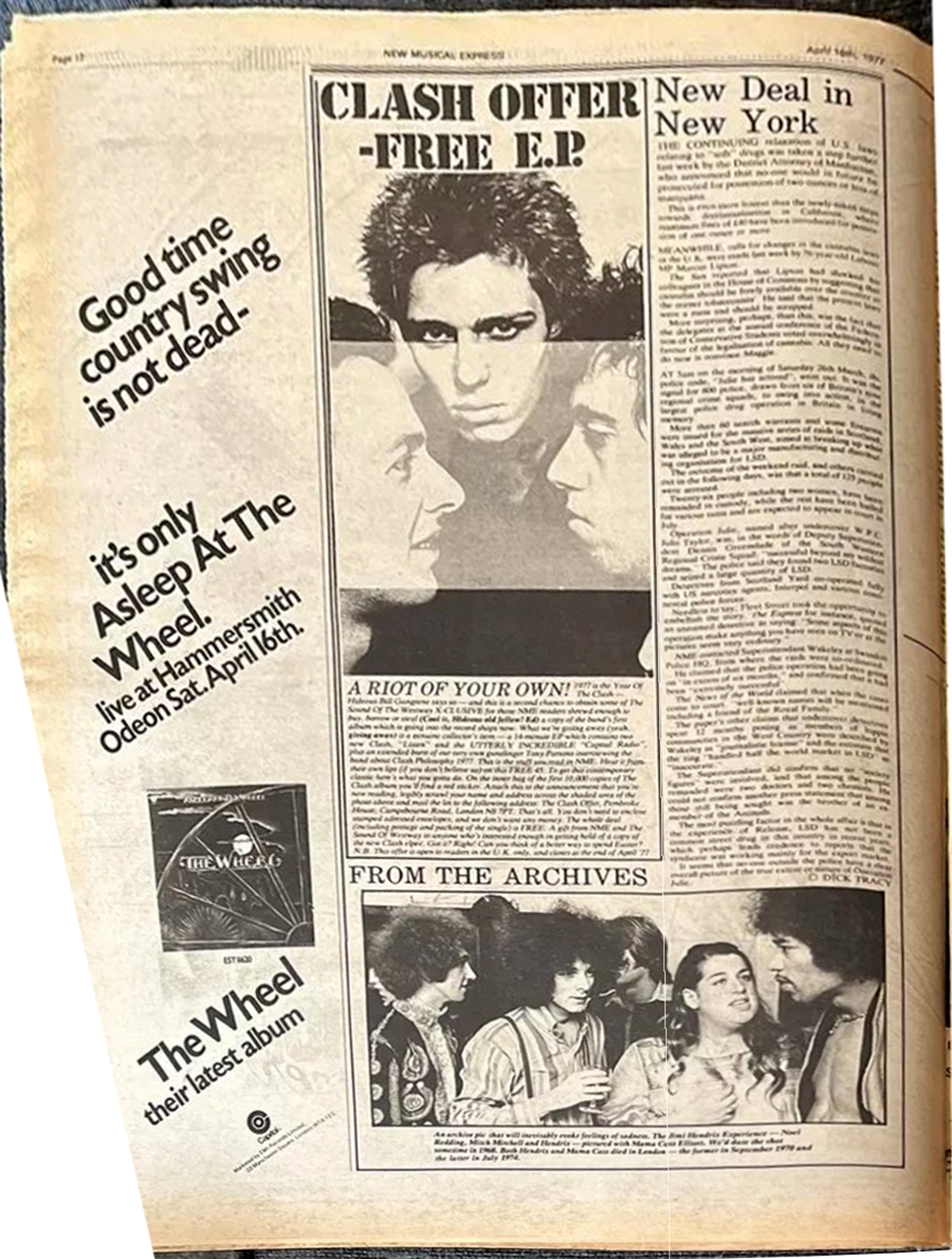



%20%e2%80%93%20The%20Ultimate%20Music%20Library/The%20Clash%20%e2%80%93%20The%20Clash%20(1977)%20%e2%80%93%20The%20Ultimate%20Music%20Library-550.jpg)
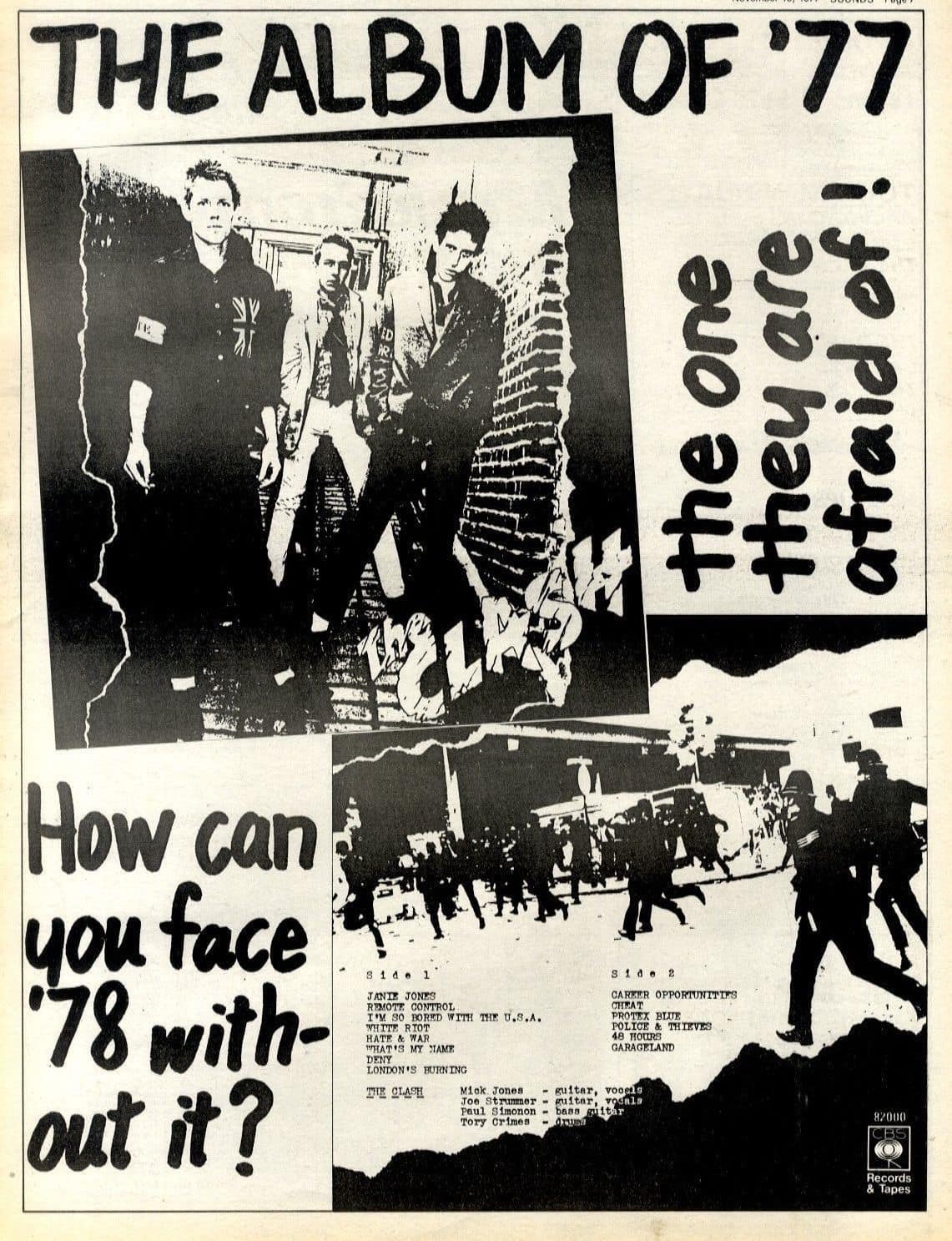
%20ALBUM%20TRCKING%20MAGGIO%201977/05%20ALBUM%20TRCKING%20MAGGIO%201977.html/05%20ALBUM%20TRCKING%20MAGGIO%201977_files%20copy/05%20ALBUM%20TRCKING%20MAGGIO%201977-1_500h.jpg)
%20ALBUM%20TRCKING%20MAGGIO%201977/05%20ALBUM%20TRCKING%20MAGGIO%201977.html/05%20ALBUM%20TRCKING%20MAGGIO%201977_files%20copy/05%20ALBUM%20TRCKING%20MAGGIO%201977-2_500h.jpg)
%20ALBUM%20TRCKING%20MAGGIO%201977/05%20ALBUM%20TRCKING%20MAGGIO%201977.html/05%20ALBUM%20TRCKING%20MAGGIO%201977_files%20copy/05%20ALBUM%20TRCKING%20MAGGIO%201977-6_500h.jpg)
/Record%20Hunter%20Feb%201991%20%5b1977%2078%5d.html/Record%20Hunter%20Feb%201991%20%5b1977%2078%5d_files%20copy/1_500h.jpg)
/Record%20Hunter%20Feb%201991%20%5b1977%2078%5d.html/Record%20Hunter%20Feb%201991%20%5b1977%2078%5d_files%20copy/2_500h.jpg)
/Record%20Hunter%20Feb%201991%20%5b1977%2078%5d.html/Record%20Hunter%20Feb%201991%20%5b1977%2078%5d_files%20copy/3_500h.jpg)

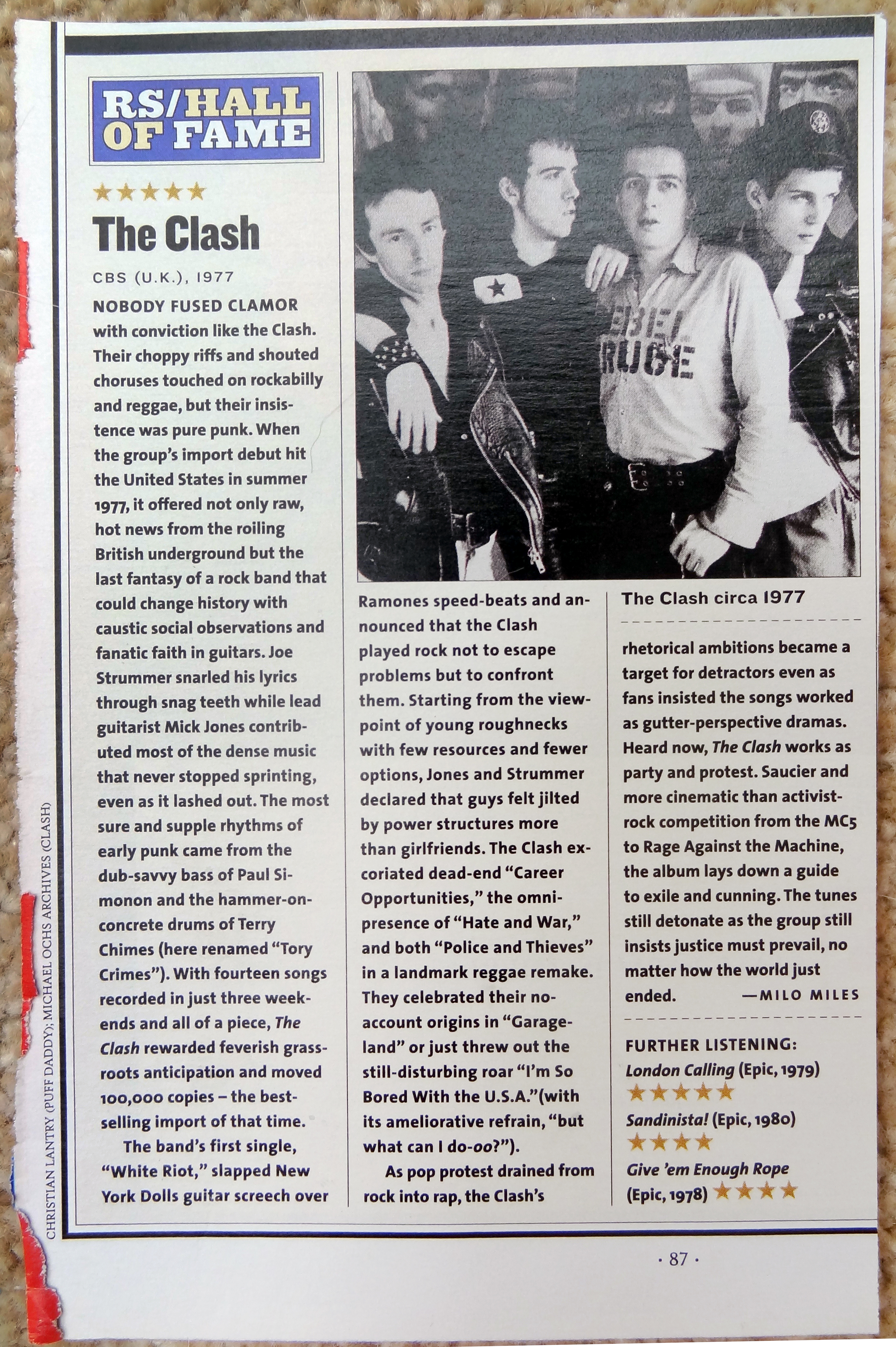
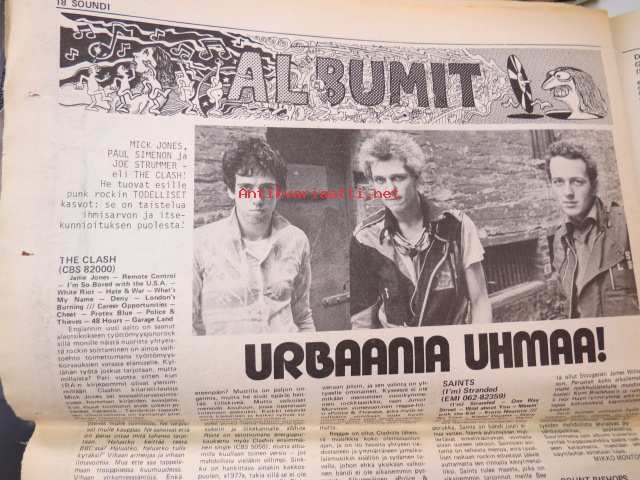


%20HQ%20Complete/48%20THRILLS%201977%20No.4_files%20copy/1_500h.jpg)
%20HQ%20Complete/48%20THRILLS%201977%20No.4_files%20copy/2_500h.jpg)
%20HQ%20Complete/48%20THRILLS%201977%20No.4_files%20copy/3_500h.jpg)
%20HQ%20Complete/48%20THRILLS%201977%20No.4_files%20copy/4_500h.jpg)
%20HQ%20Complete/48%20THRILLS%201977%20No.4_files%20copy/5_500h.jpg)
%20HQ%20Complete/48%20THRILLS%201977%20No.4_files%20copy/6_500h.jpg)
%20HQ%20Complete/48%20THRILLS%201977%20No.4_files%20copy/7_500h.jpg)
/(2)/1.jpg)
/(2)/2.jpg)
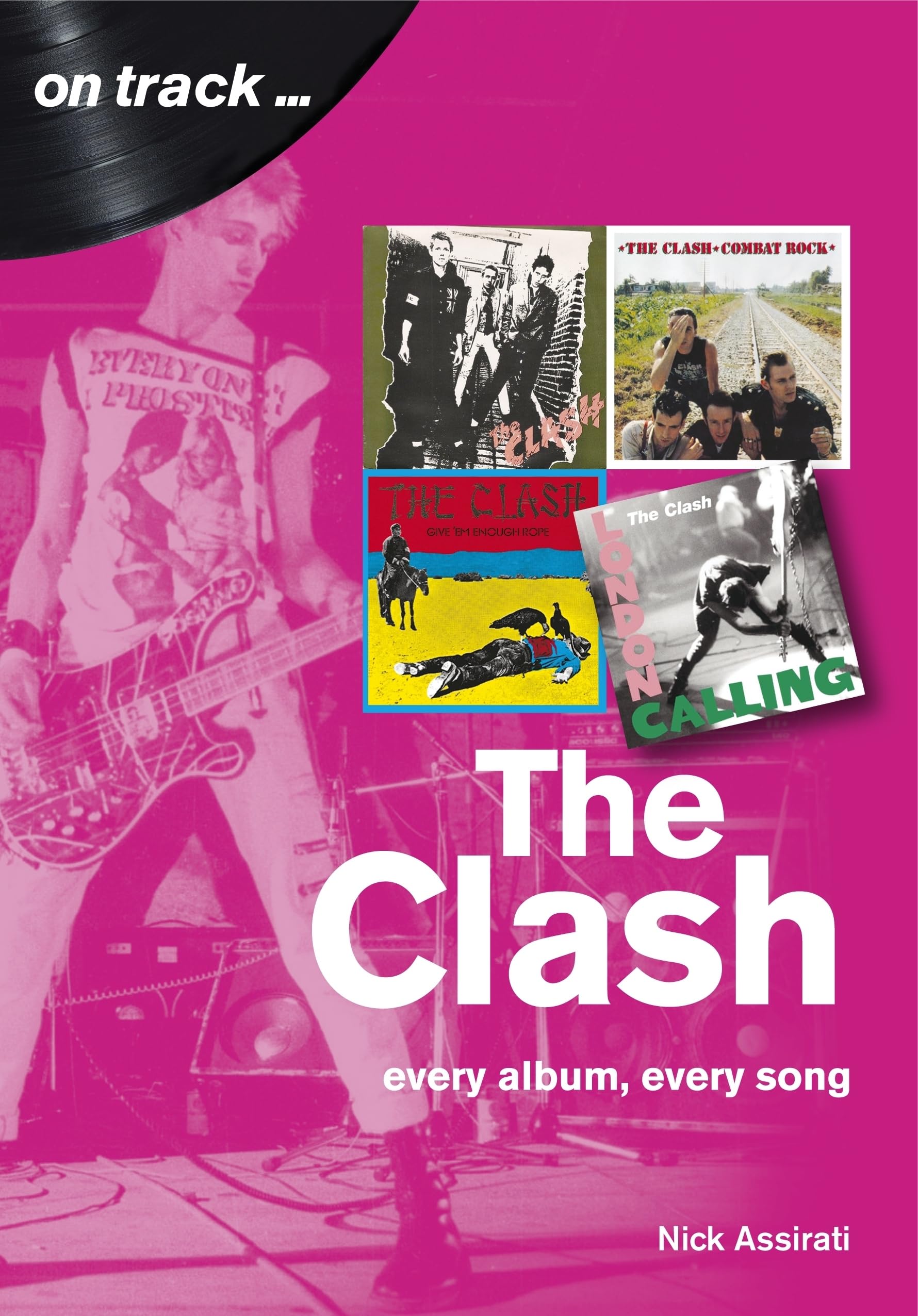
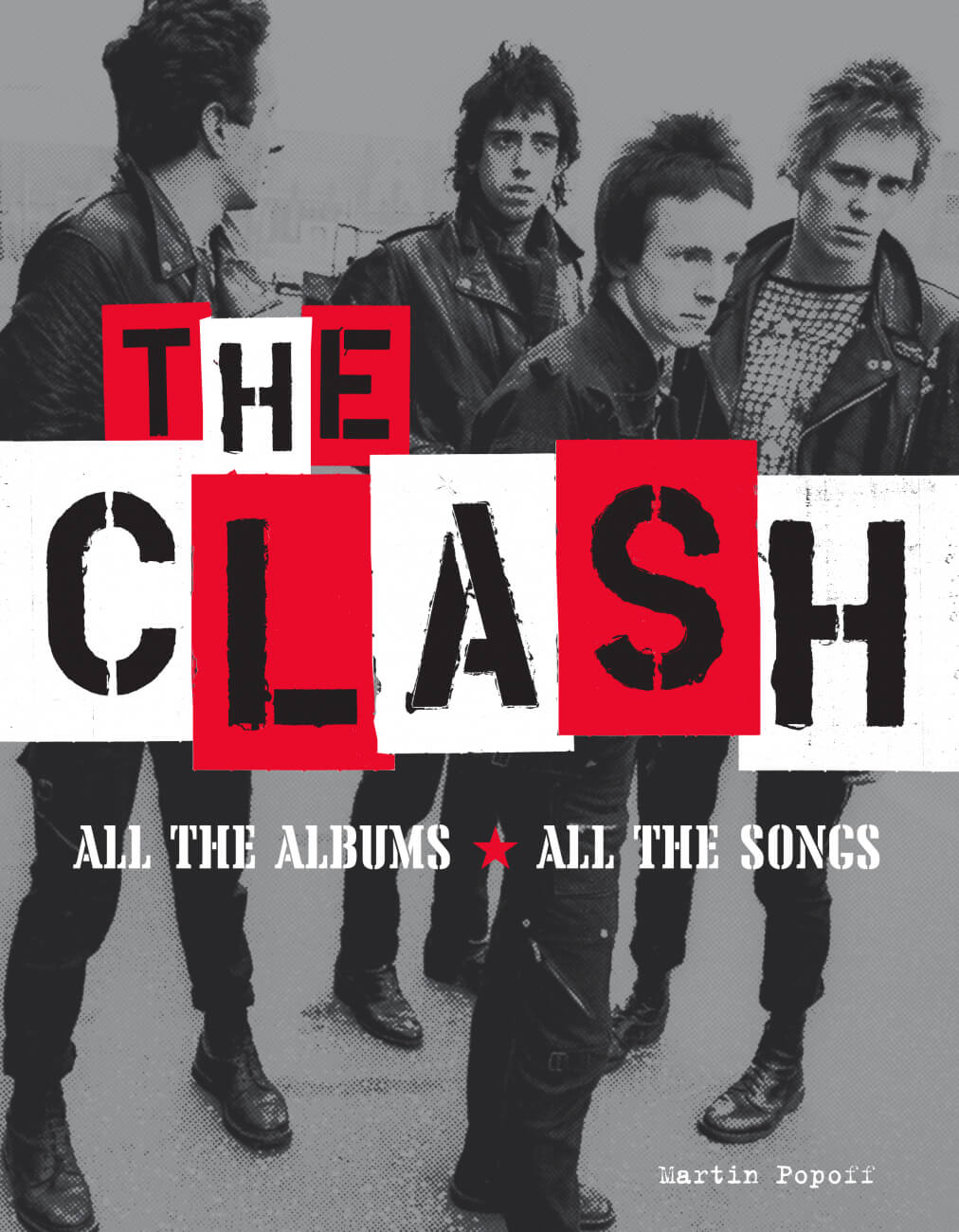
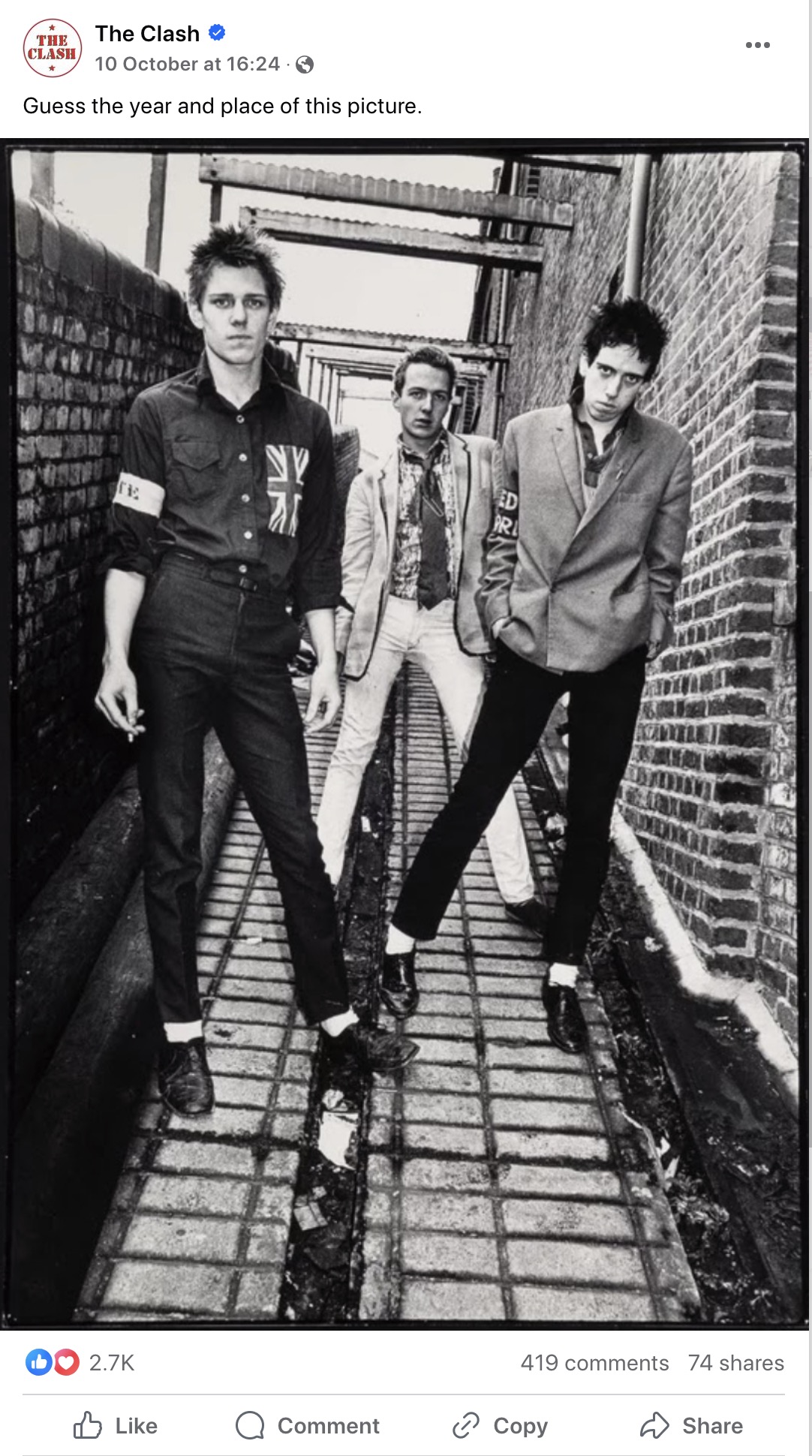
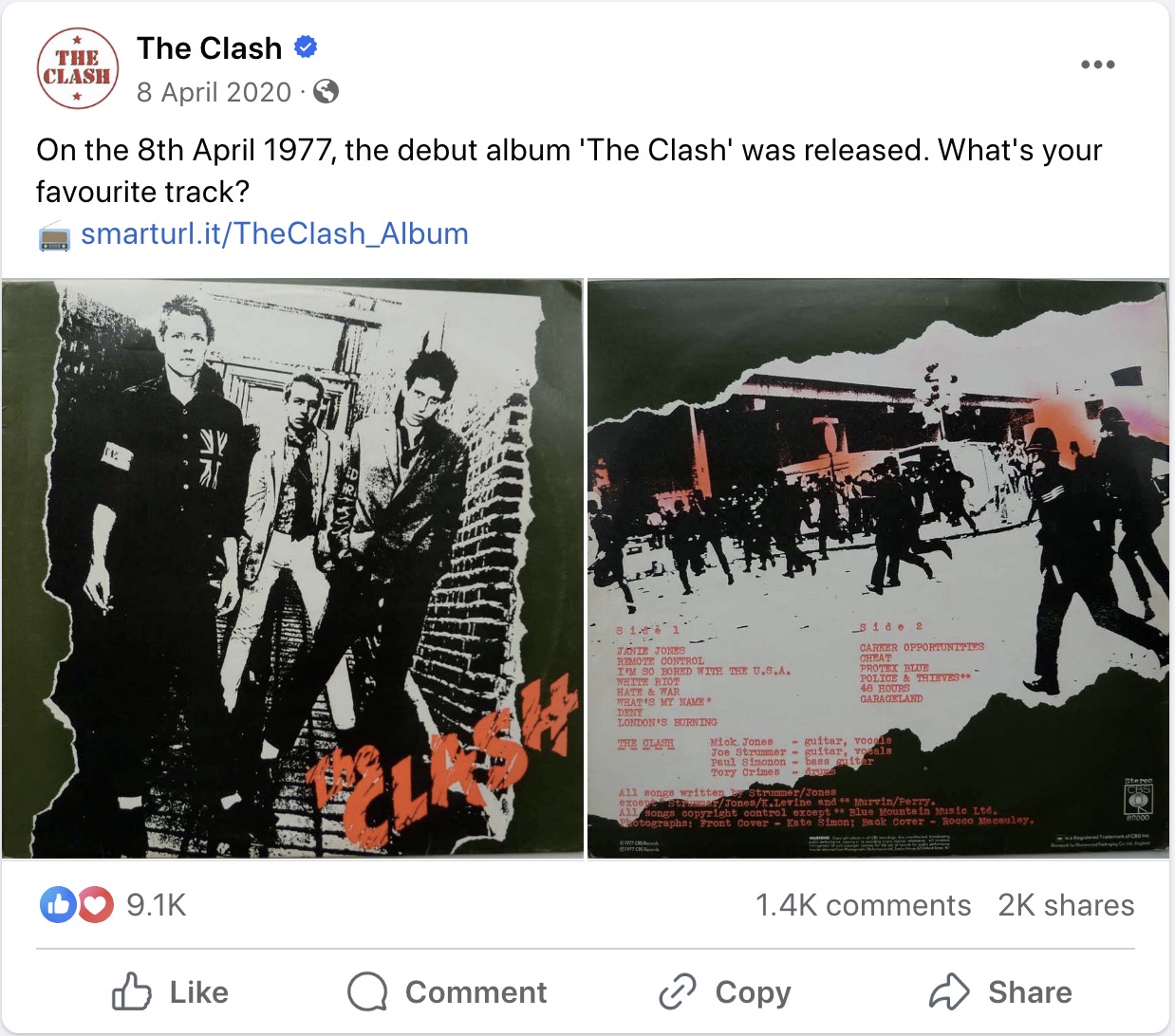
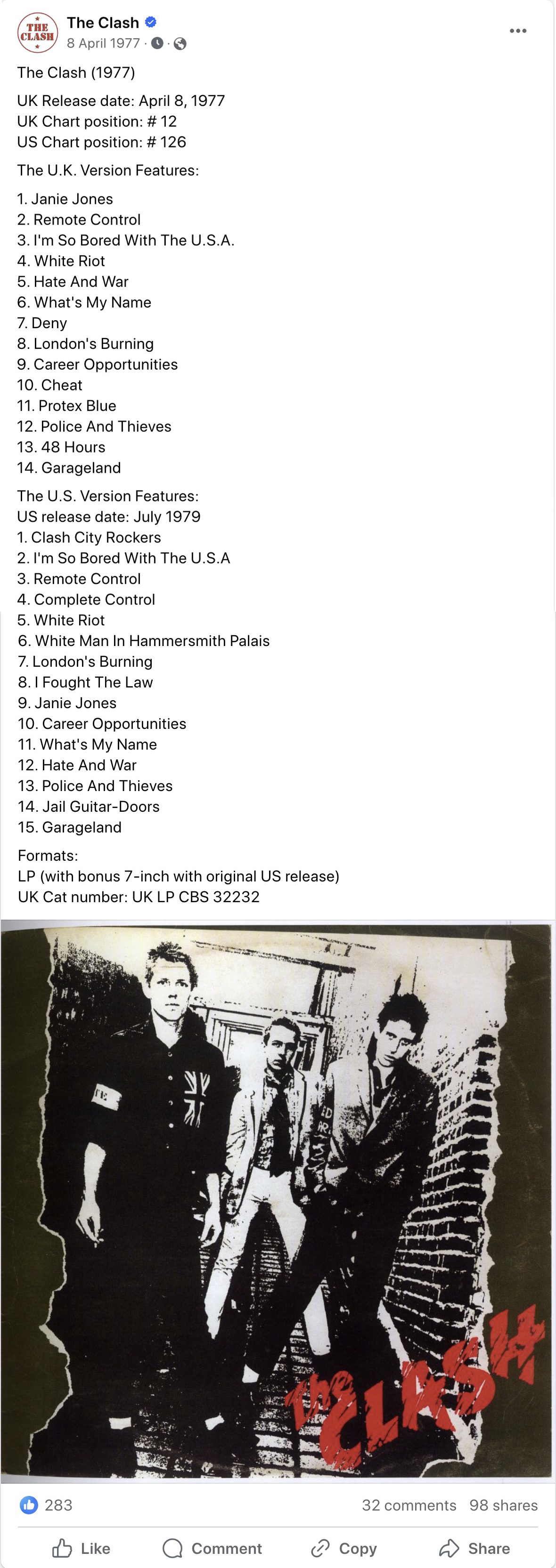
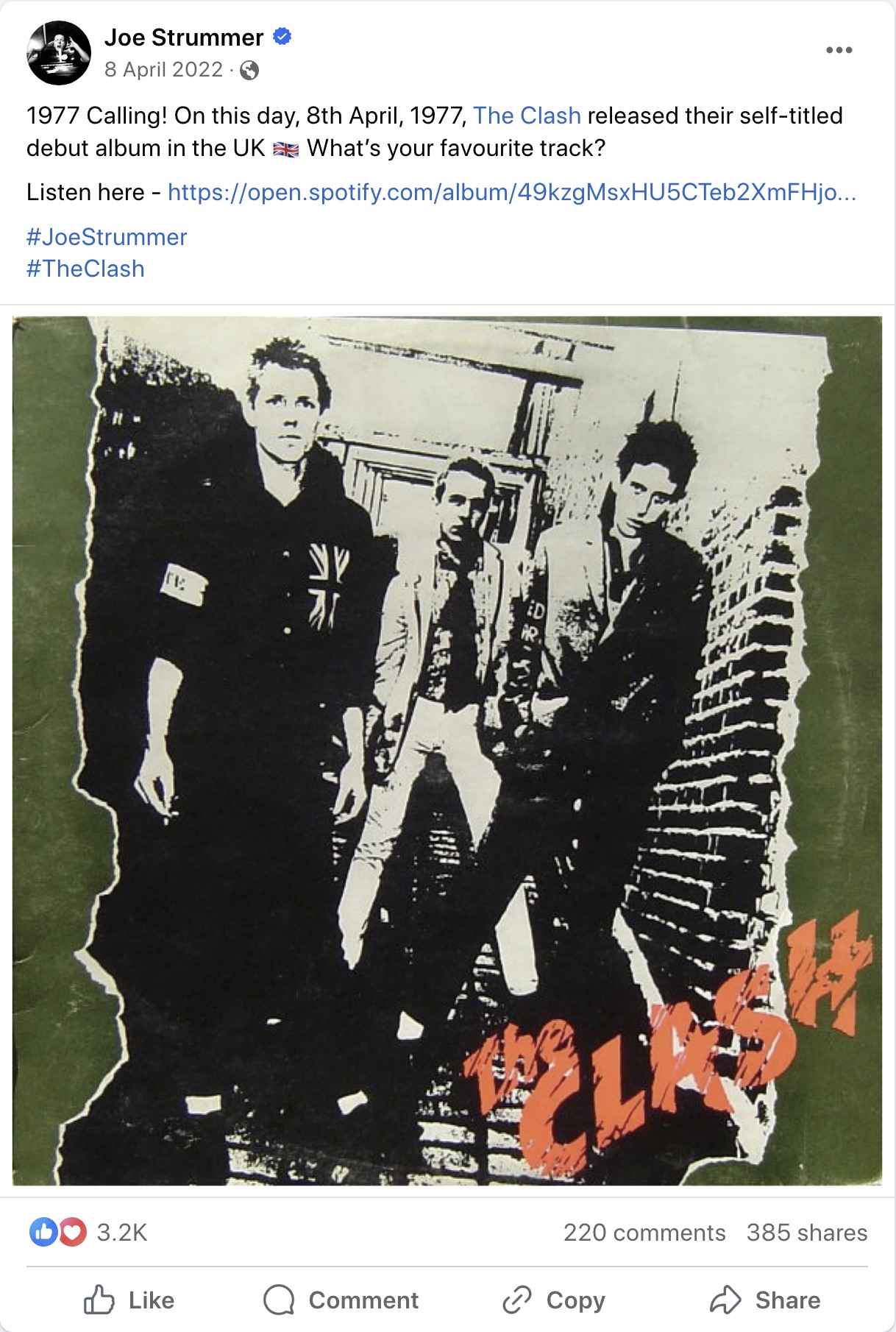
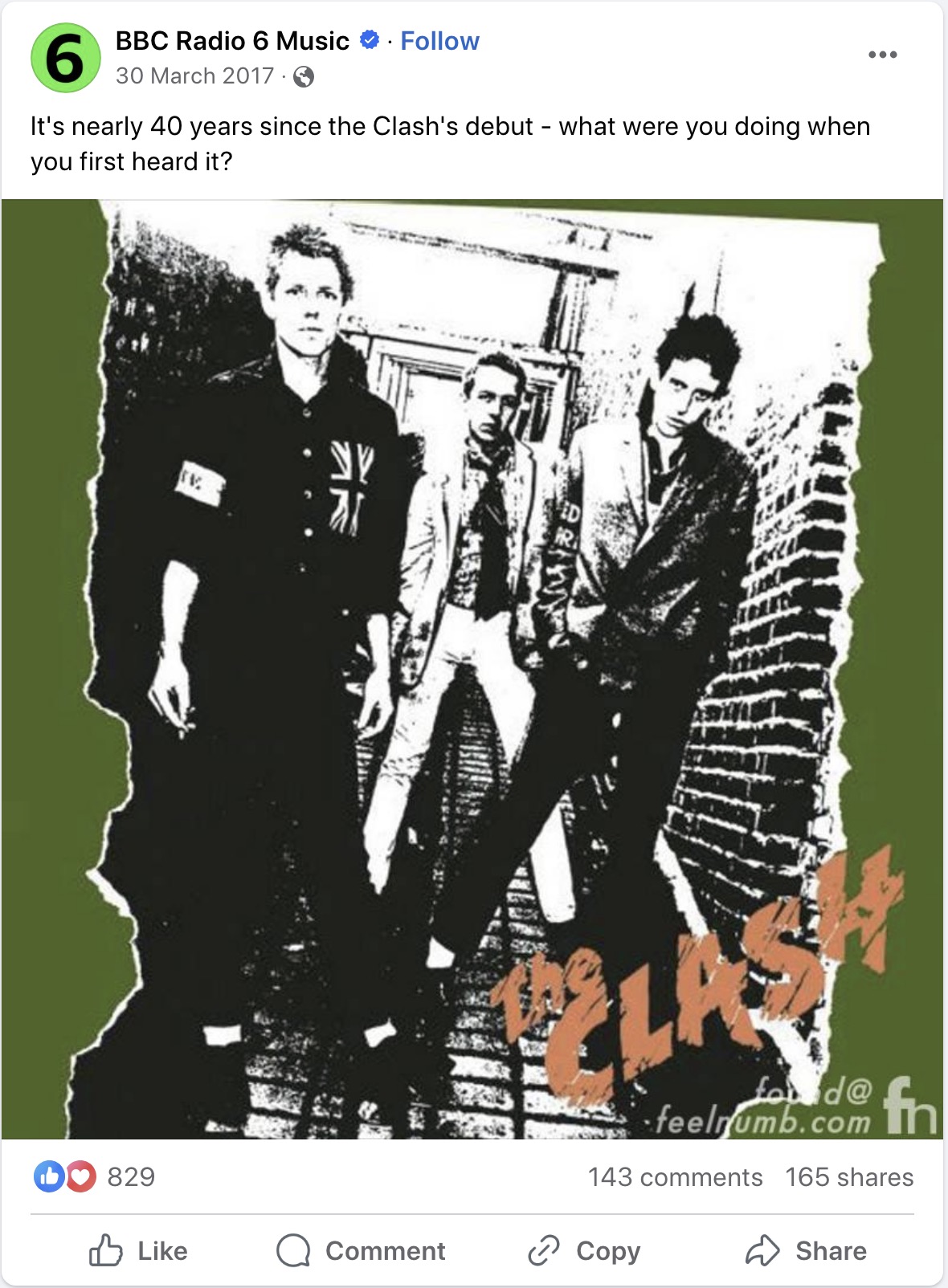
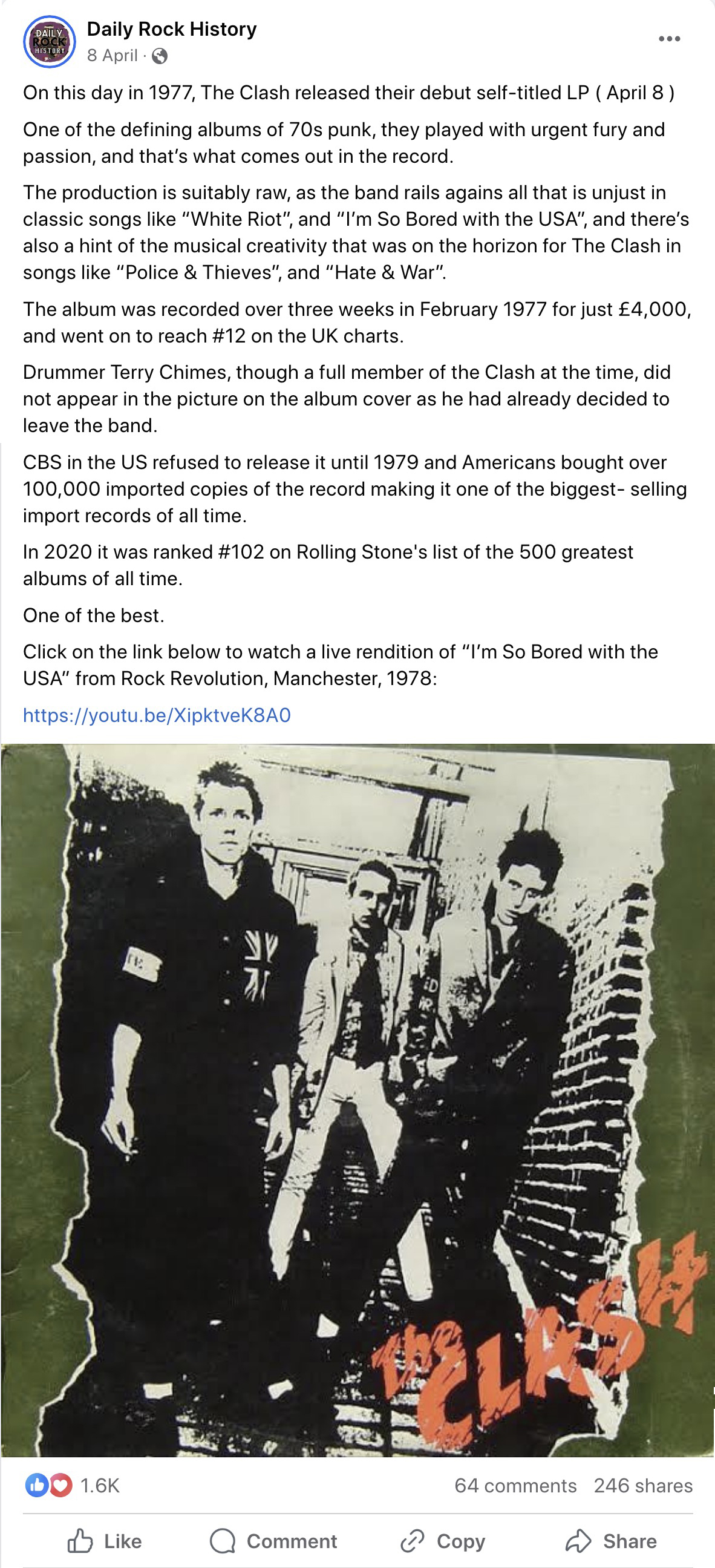

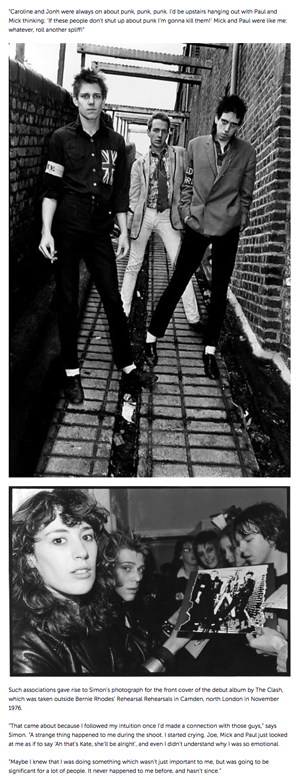

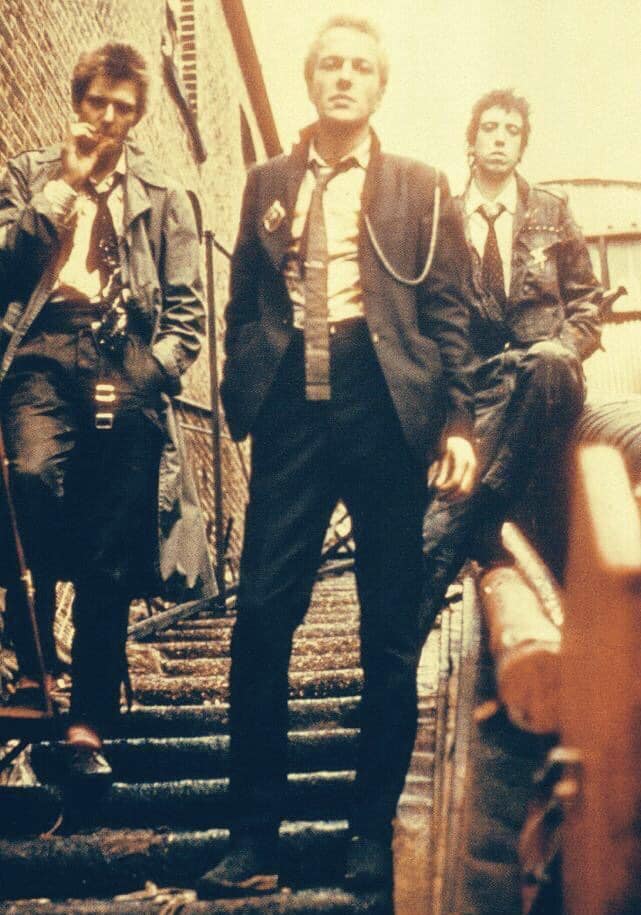
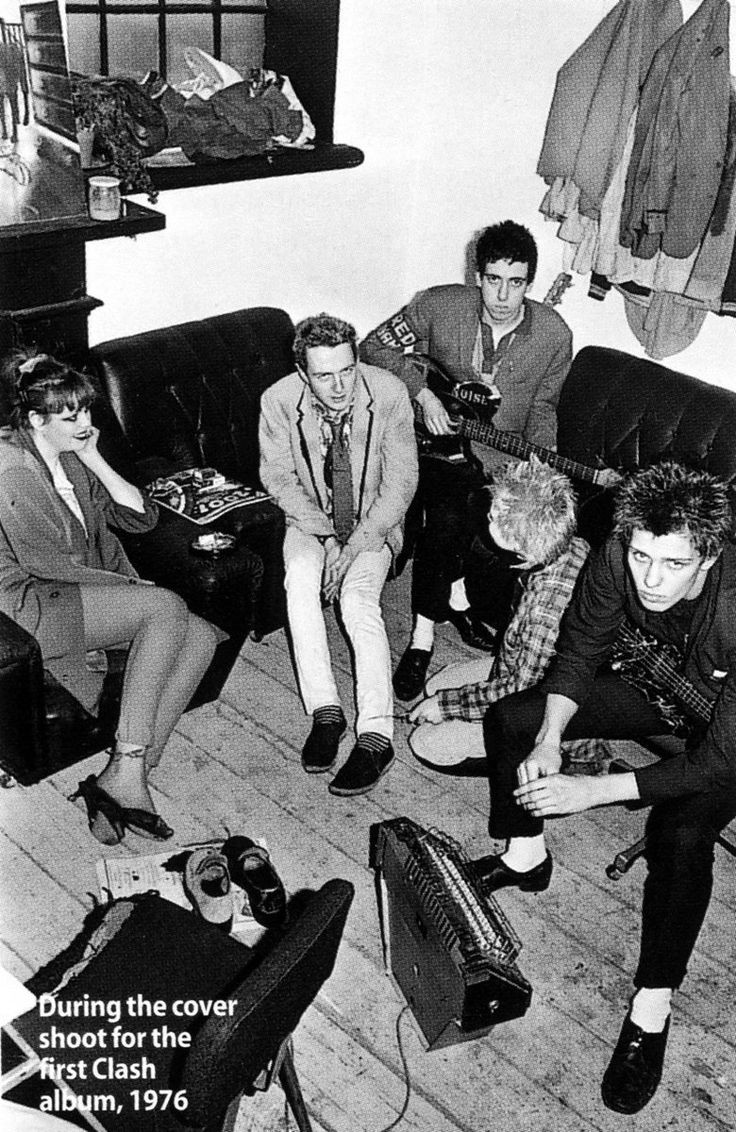
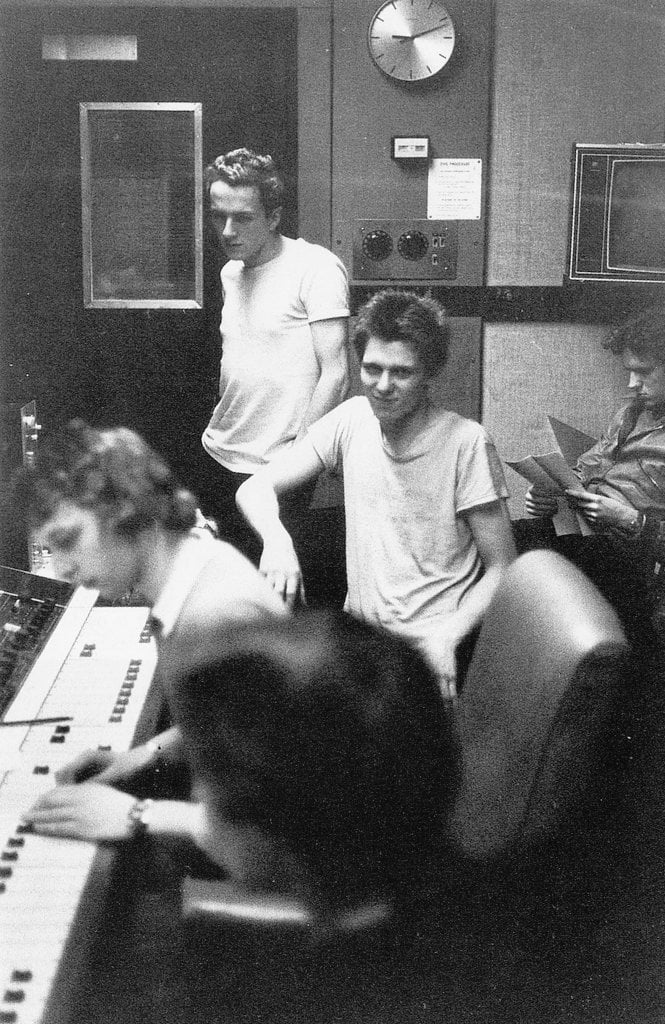
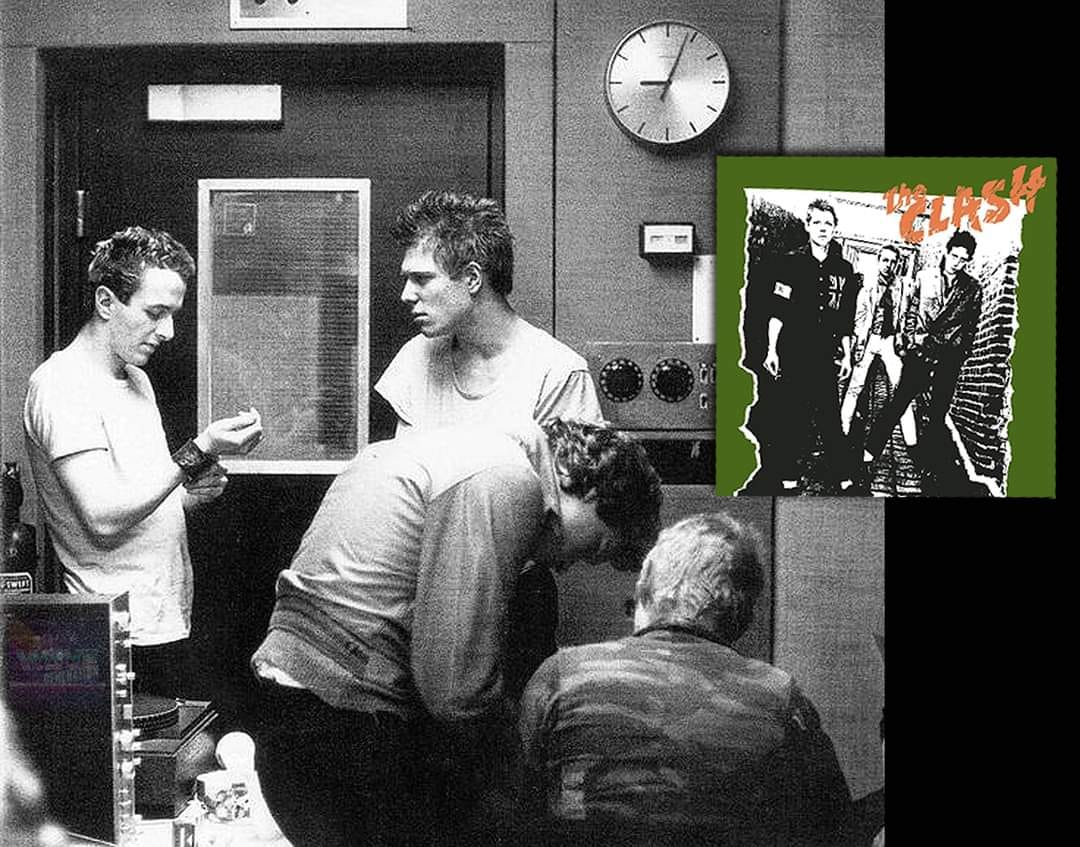
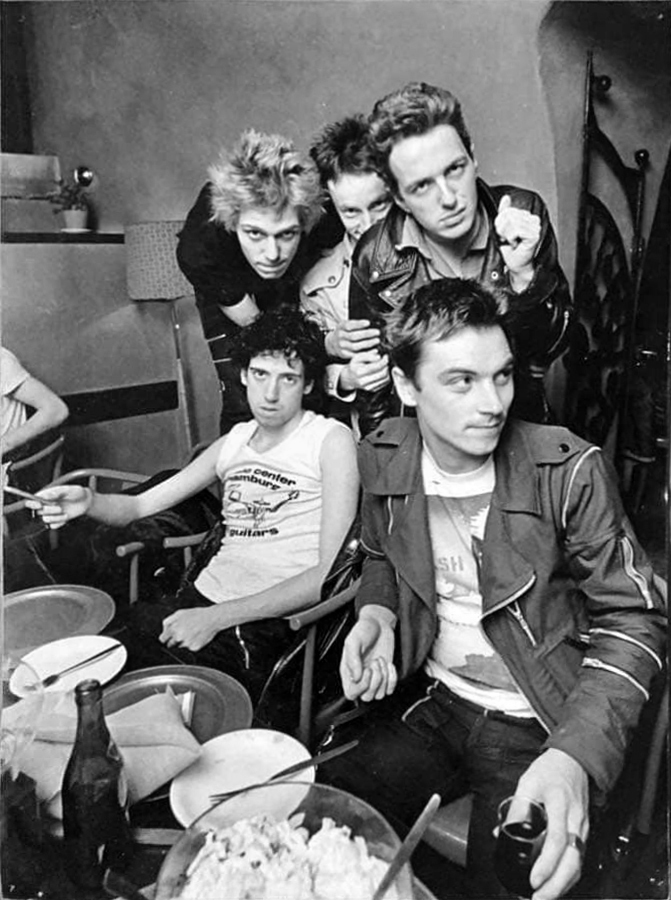
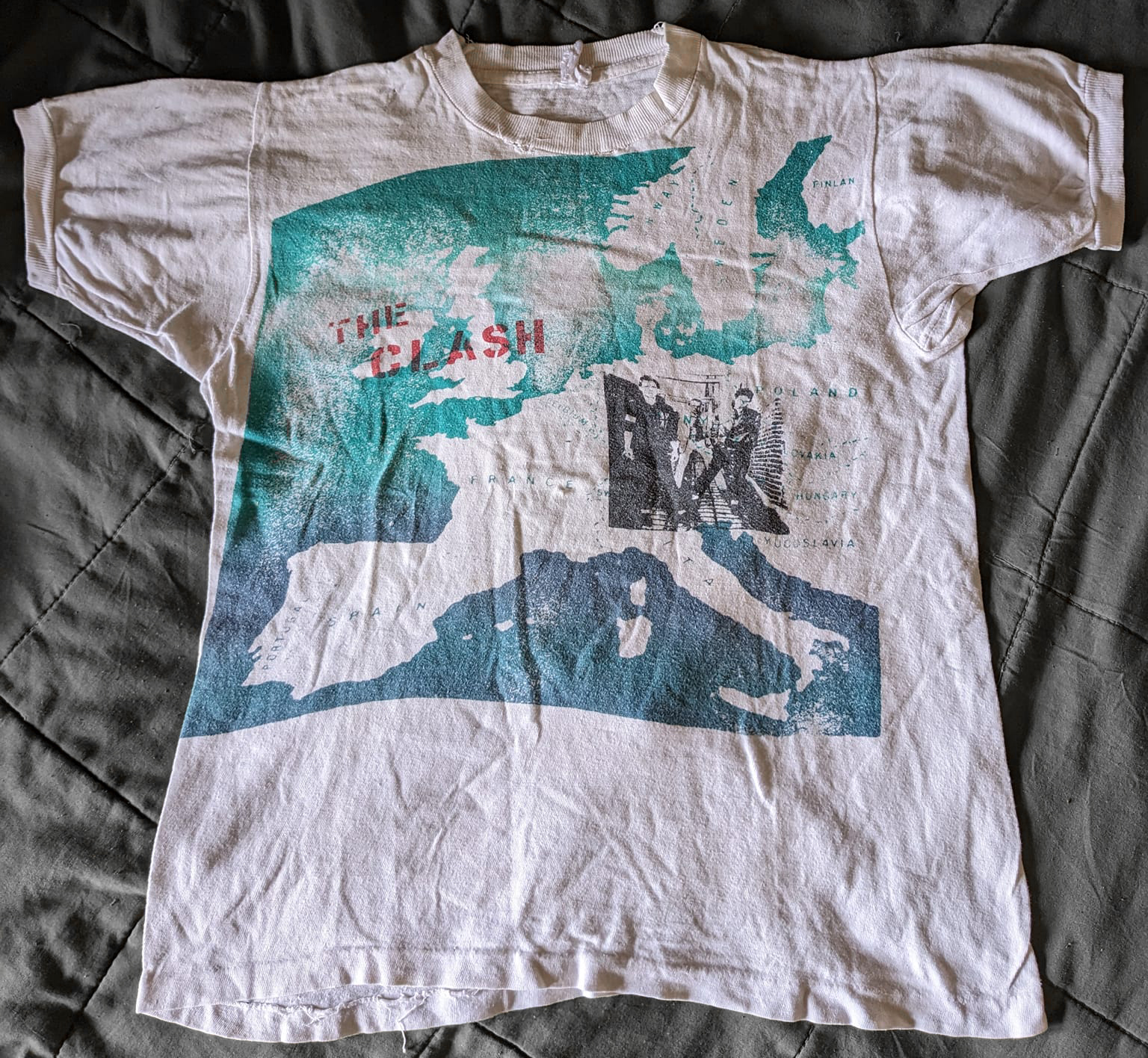
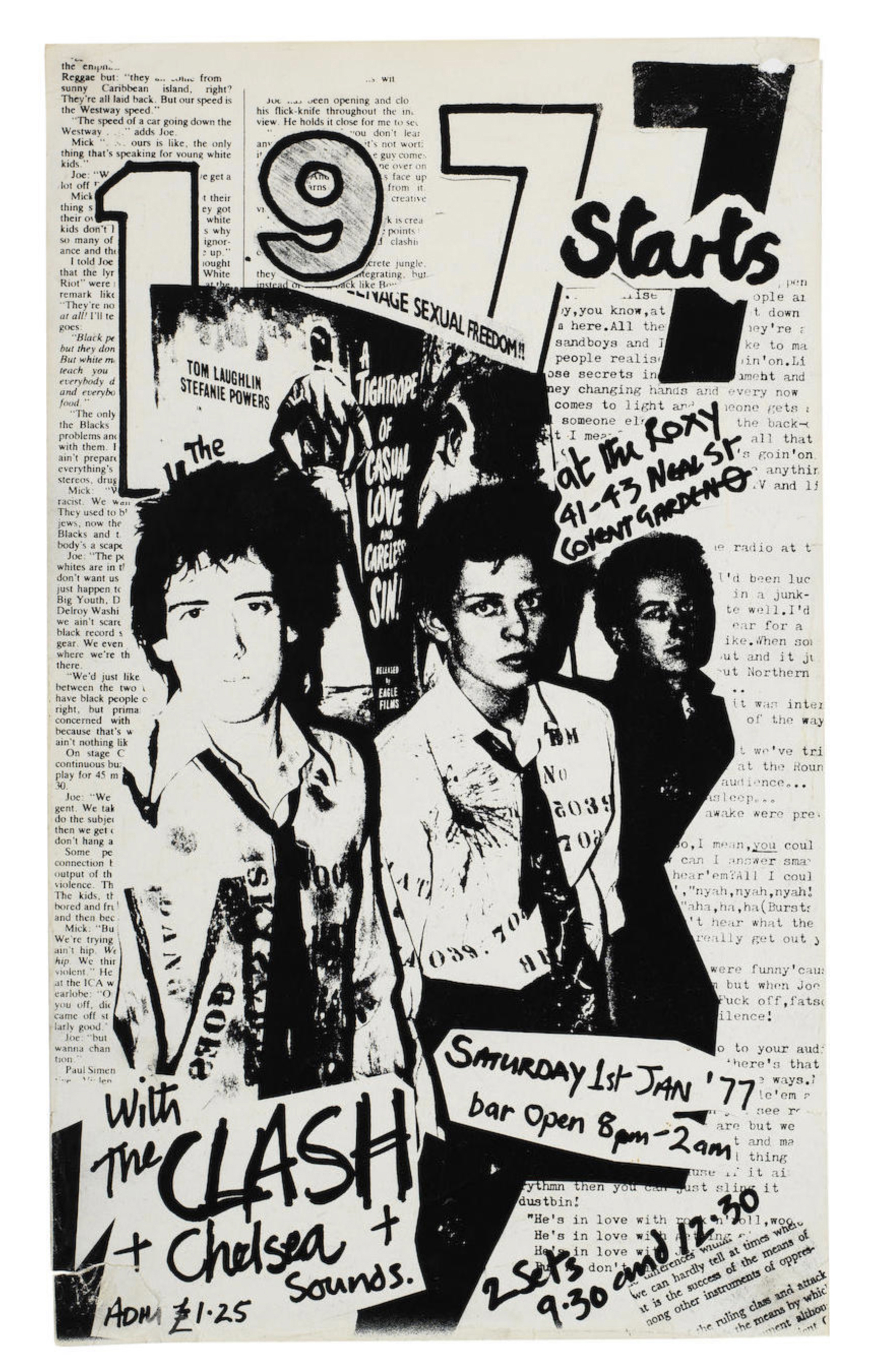


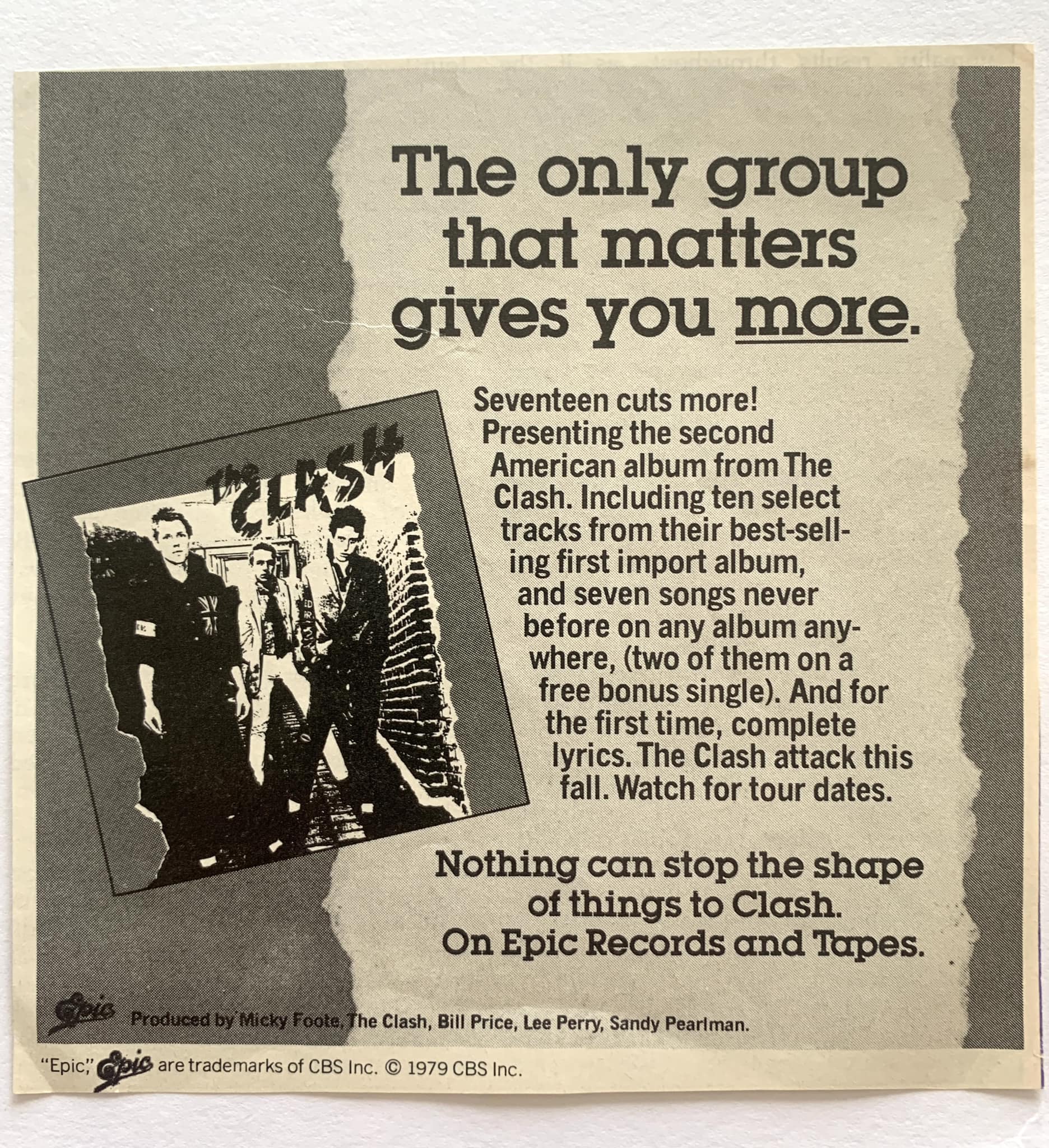
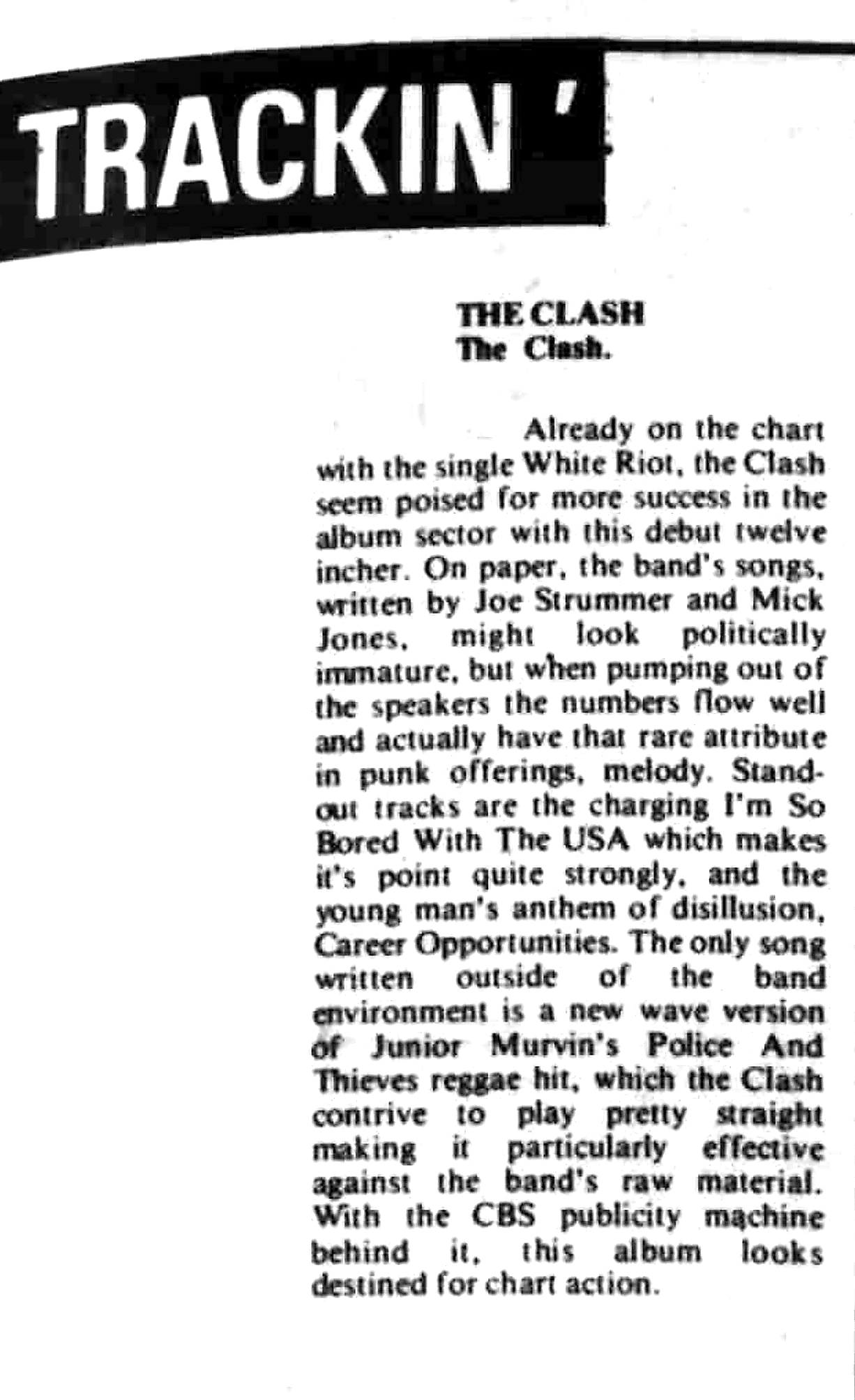
/77%2004%2008%20SOUNDS%20review%20If%20you%20don't%20like%20The%20Clash,%20you%20don't%20like%20tock%20'n'roll.jpg)
/1977%2004%2008%20SOUNDS%20If%20you%20don't%20like%20the%20Clash.jpg)
/1977%2004%209th,%20April%201977.jpg)