The White Riot Tour
Support in order: Prefects, Subway Sect, The Buzzcocks, The Jam.
updated 7 Jan 2010 -added The Times Review
updated October 2020 - added photos and new images, some copy
updated 22 Jnaury 2022 - added Cliche fanzine review (poor)
updated July 2022 - added US review
updated August 2022 added articles, Cov x2 and Staffs
updated Dec 022 - added reviews, clippings
updated May 2023 added articles
updated Dec 2023 added another advert, ticket, much more, Sniiffin Glue review
updated June 2024 added various clippings
Updated March 2026 added fanzinne review, NME review
The Punk Rock Movie (also known as The Punk Rock Movie from England) is a British 1978 film that was assembled from Super 8 camera footage shot by Don Letts, the disc jockey at The Roxy club during the early days of the UK punk rock movement, principally during the 100 days in 1977 in which punk acts were featured at The Roxy club in London.
The spikiest home movie of the Seventies captured an embryonic rock revolution. ...Verité rock had become verité celluloid almost by accident.[1]
Roxy club disc jockey Don Letts was given a Super 8 camera as a present by fashion editor Caroline Baker.[2] When Letts started to film the acts at The Roxy, it was soon reported that he was making a movie, so Letts determined to film continuously for three months. He needed to sell his possessions in order to continue to purchase film.[1]
A preliminary, 60-minute version of the film was shown in autumn of 1977 at the Institute of Contemporary Arts in London. This resulted in the cover story, "Punk Home Movies" in Time Out magazine.[1]
The film features live footage of The Clash, Sex Pistols, Wayne County & the Electric Chairs, Generation X, Slaughter and the Dogs, The Slits, Siouxsie and the Banshees, Eater, Subway Sect, X-Ray Spex, Alternative TV and Johnny Thunders and The Heartbreakers. Backstage footage of certain bands, such as Generation X, The Slits and Siouxsie and the Banshees, is also included.[3]
All live footage was shot at the Roxy, except that of the Sex Pistols, who were filmed at The Screen On The Green cinema in London on 3 April 1977. The performance was Sid Vicious' first public concert with the band.[4]
The film was subject to limited theatrical release in 1978.[5] It was also subject to limited video release at that time by Sun Video (1978) and Danton Video (1980).[6] It was also released on video in 1992 by Studio K7. Versions of the film were released on DVD between 2006 and 2008, though these releases were subject to criticism for sound reproduction and digital transfers that were considered to be inferior to the original. In addition, concerns were expressed that the soundtrack now included overdubbed material, as opposed to the original live recordings.[7][8]
Punk Rock Movie: Full release documentary directed by Don Letts
The Punk Rock Movie (directed by Don Letts, 1978) is a documentary pieced together from his Super-8 footage of the early London punk scene at the Roxy Club and beyond. It includes live performances and backstage material featuring Sex Pistols, The Clash, The Slits, Subway Sect, Siouxsie and the Banshees, and others
The Clash segments (notably early live footage at the Roxy, including I’m So Bored With the USA and London’s Burning) are included in Sony SoundSystem Boxset.
The film first screened in 1978 in London cinemas, then circulated in various unofficial formats (bootleg VHS, late-night screenings).
It eventually saw DVD reissues (notably in 2006 via Cherry Red) and later streaming availability, but always under Don Letts’ name.
BFI Library
The origial footgage can be found at the British BFI Insititue archive:
Official release on Sony Soundsystem Boxset minus Garagaland
White Riot 1:52 (Harlesden, 3 Mar 1977)
Janie Jones 1:73 (Harlesden, 3 Mar 1977)
City of the Dead 2:04 (late 1978, Sort it Out Tour?)
Clash City Rockers 2:15 (Lyceum 1979?)
White Man in Hammersmith Palais 2:53 (Lyceum 1979?)
1977 1:41 (The Rainbow, 9 May 1977)
Don Letts footage has recenty been released. A good listing of the contents of the The Clash's Sound System box set can be found at Discogs.
White Riot 1:52 (Harlesden, 3 Mar 1977)
Janie Jones 1:73 (Harlesden, 3 Mar 1977)
City of the Dead 2:04 (late 1978, Sort it Out Tour?)
Clash City Rockers 2:15 (Lyceum 1979?)
White Man in Hammersmith Palais 2:53 (Lyceum 1979?)
Known to contain several concerts including The Roxy 1 Jan 1977 and Harlesden plus Rehearsals footageJulian Temples 1976 footage 18 hours - included Roxy/Anarchy Tour/Harlesden/Rainbow - only the footage that was used in the film eventually got digitised because it was shot on an obscure format that does exist anymore and so it cost a fortune to put onto tape.
Book: Return of the Last Gang in Town
Julian Temple's early footage
[Extract] ... Malcolm’s (Mclaren) band had a promo film, so Bernie’s (Rhodes) band had to have one too.
Julien’s (Temple) black and white footage of the Clash at Rehearsals, on the Anarchy Tour, at the Harlesden Coliseum and in the Beaconsfield studio had been shot prior to the Clash’s latest image change and so was outmoded.
In 1999, Julien would contribute clips of the various bands on the Anarchy Tour, the Clash rehearsing ‘What’s My Name?’ with Rob Harper, the band overdubbing vocals to ‘I’m So Bored With The USA’ at Beaconsfield, and the band posing on the balcony outside 111 Wilmcote House, to Don Letts’s Clash documentary Westway To The World.
His own Sex Pistols documentary, The Filth And The Fury, was finally released the following year.
Julien claims to have over 50 hours of Clash footage from the 1976-77 period, most of which has never been seen.
This four-hour show was to become a milestone in British punk history
White Riot At The Rainbow The Clash's White Riot Tour was the band's first headline tour. Support was provided by The Jam, The Buzzcocks, Subway Sect and The Prefects.
This four-hour show was to become a milestone in British punk history. Not only was it the largest punk gig to be held in London to date but the song White Riot led to fans tearing out 200 seats and throwing the wreckage onstage.
"Natural Exuberance"
It was estimated that £1000 of damage was caused by Clash fans but the Rainbow's director, Allan Schaverien, remained philosophical about the incident:
"It was not malicious damage but natural exuberance…we expected some damage and arrangements were made to cover the cost of it… we shall have more punk concerts soon."
He was true to his word. With punk and new wave bands like Johnny Thunder & The Heartbreakers, The Ramones, Blondie, Siouxsie & The Banshees, The Rezillos, Sham 69, Generation X and, again, The Clash all appearing before the end of the year.
Source/date unknown, May 1977
Clash Rainbow date
CLASH: London Rainbow. Mon- day, May 9. Starts 7.30pm. Support: Subway Sect. Tickets £2.20.
This is the big one for Clash, who are being promoted like nobody's busi-ness by their record company, CBS. They now rank alongside the Damned as the major punk band of the moment and, judging by their album, the money being put into this band is well spent. They have menace to spare, of course, but beneath their sinister surface they also have a good deal to commend them musically. While they're hardly masterly musicians, they're fresh and exciting and boast the impressive Joe Strummer on lead guitar.
THE CLASH - ORIGINAL 1977 RAINBOW THEATRE TICKET STUBS. A pair of original ticket stubs for the legendary Clash concert at the Rainbow Theatre, London in May 1977. Each approx 6.5 x 6cm. Very clean condition. Sold for £160 Hammer Price
Paul Wright on Flikr. The Clash punk concert ticket The Rainbow, London 1977
This is my ticket to The Clash's gig at The Rainbow in north London on Tuesday 13 December 1977. A group of us from south London made the trip across the river to The Rainbow. It really was a momentous occasion for me and my friends, and we proudly wore our punk gear much to the shock of the commuters on the tube. The Clash were fantastic but the all-seater venue wasn't right for them or for Sham 69 who were the support band. Not that we sat down at all. Here is a review of this concert that appeared in Melody Maker:
The famous riot gig in which 200 seats were ripped out. Ecstatic fans could not sit down and as the Jam finished their set the mayhem began. The Clash opened with Londons Burning and fighting broke out.
The Rainbow in Finsbury Park N4. Large venue that was originally part of the Astoria chain of cinemas in the 1930's that like so many became a rock venue.
In its time it had seen just about every major act play there from Jimi Hendrix to the Who. Closed in 1975 it lost some ground to Camden's Roundhouse but its reopening and refurbishment in 1977 set it back on course as a prominent North London venue.
In punky times it was infamous for the Clash riot where seats were torn up. The Stranglers regularly played here and the Ramones had their 1977 New year Eve concert immortalised on vinyl with the double classic 'It's Alive'. In 1977/1978 Jock McDonald would rent out the top and put on gigs, meaning you could have Thin Lizzy playing below while the Meat cranked it out upstairs.
Set on an island between two one way systems that went to and from the West End you could reach it by exiting the labyrinthine Finsbury Park Tube station tunnels and it was always worth getting a quick drinkie in the George Robey pub opposite.
Sadly residents complaints about noise and people shut it down in the Eighties. Now some god-awful gospel revival bollocks occur there. Fantastic ceiling of star and palm trees....but no Rainbow.
Photos, links
Historic Theatre Photos provides images and information about the Rainbow Theatre, including its architectural style and history. Cinema Treasures has a collection of 53 photos of the Rainbow Theatre. Reddit has photos from the famous Rainbow Theatre in London, taken on March 31st, 1974.
The Rainbow Theatre, 2002
The Rainbow Theatre, 232 Seven Sisters Road, London N4 3NX
The Rainbow Theatre, located in 232-238 Seven Sisters Road, Finsbury Park, London, is a historic venue known for its unique architectural style and its significance in the music scene. The theatre was built in 1930 as an "atmospheric cinema" designed to house entertainment extravaganzas, including film shows 2.
The building's interior is described as a Moorish Harem, complete with a domed Byzantine cupola, staircases, corridors, Baroque mirrors, and wall friezes that could have come from India. The first thing you see upon entering is an illuminated fountain set within an eight-sided raised star pool 6. The theatre is considered one of the greatest cinemas of its kind in Europe .2
In the 1960s, the theatre began to be used for concerts, hosting performances by renowned artists such as Frank Sinatra, Miles Davis, the Beatles, and Cliff Richard. In November 1971, it reopened as a full-time rock concert venue with a show by The Who . The theatre continued to host rock concerts regularly until 1982 1010.
The Clash's performance on May 9, 1977, as part of their White Riot Tour and was described as electric, with the band effectively communicating and connecting with an audience of 3000 1.
The song "White Riot" was written by Joe Strummer and bassist Paul Simonon after they were involved in the riots at the Notting Hill Carnival of 1976 4. The song is considered a classic in The Clash's canon and was performed in public for the first time during the White Riot Tour 12.
The Rainbow Theatre lay derelict from 1982 until 1996 when its freehold was acquired by the Universal Church, a Brazilian foundation. The church carried out an extensive restoration of the building . As of the current date, the building still stands, serving as a testament to its rich history in the entertainment industry.10
Mark Chatterton's Rock Files 145 subscribers Subscribe 25 Share Download Clip Save 1,381 views 9 Jul 2021 The Rainbow Theatre was one of London's premier music venues in the 1970s and early 80s.
Band's ranging from the Who to the Jam, the Grateful Dead and Bob Marley all played there. Mark Chatterton interviews Rick Burton, former stage manager at the Rainbow about his time there, the history of the place, it's unique architecture, who player there, what live albums were recorded there and what it was actually like back in the golden age of rock 'n roll.
The Clash's concert at the Rainbow Theatre on May 9, 1977, was described as a riot in the press, but the response after the event was mixed. Some observers saw it as a reflection of the turbulent times and the punk movement's response to social discontent.
The concert was seen as a significant moment in punk history, coming just weeks after the release of The Clash's debut album and a few months after the Sex Pistols' infamous TV interview with Bill Grundy, which had caused public outrage and led to the cancellation of many dates on their Anarchy In The UK tour[1].
The White Riot Tour, of which this concert was a part, was a landmark event in punk history. It took the punk movement to various parts of Britain and featured other prominent punk bands like The Jam, Buzzcocks, Subway Sect, and The Prefects[2]. The tour was also notable for the integration of new band member Topper Headon on drums[2].
It was not just a musical event but a social phenomenon that captured the spirit of the times and the punk movement's response to social discontent[1].
Jon Savage, a journalist known for his review and recorded history of punk concerts in London, attended The Clash at the Rainbow in 1977. He wrote about the electric tension of the show and how vital The Clash was to defining London, England in 1977[5]. Despite the chaotic atmosphere, Savage noted that the band could communicate and connect with an audience of 3000 just as well as they could with audiences of 200 when they played at smaller venues[5].
However, not all responses were positive. Some critics felt that the concert was poorly organized and that the band's performance was disappointing[9]. Despite these criticisms, the concert at the Rainbow Theatre remains a significant event in the history of punk rock.
Reference: Spencer, N. (1977, May 21). Is This What We Ordered? / Clash Trash Backlash. New Musical Express, pp. 7-8.
NEIL SPENCER watches the New Wave trash The Rainbow and has misgivings...
Neil Spencer reviews The Clash’s Rainbow Theatre gig, critiquing the New Wave’s shift toward commercialism, "wilfully moronic" pogo dancing, and a nihilistic lack of positive direction compared to reggae’s spirituality.
Reference: Spencer, N. (1977, May 21). Is This What We Ordered? / Clash Trash Backlash. New Musical Express, pp. 7-8.
NEIL SPENCER watches the New Wave trash The Rainbow and has misgivings...
IS THIS WHAT WE ORDERED?
NEIL SPENCER watches the New Wave trash The Rainbow and has misgivings...
"EACH successive pop explosion has come roaring out of the clubs in which it was born like an angry young bull. Watching from the other side of the gate, the current establishment has proclaimed it dangerous, subversive, a menace to youth, and demanded something be done about it. Something is. Commercial exploitation advances towards it holding out a bucketful of recording contracts, television appearances and world-wide fame. Then, once the muzzle is safely buried in the golden mash, the cunning butcher nips deftly along the flank and castrates the animal. After this painless operation, the establishment realizes it is safe to advance into the field and gingerly pats the now docile creature which can then be safely relied on to grow fatter and stupider until the moment when fashion decides it is ready for the slaughterhouse.
"I don't mean to suggest that there has ever been a conscious arrangement drawn up between the establishment and the entrepreneurs of pop. It is simply that their interests happen to coincide.
"The establishment wants order. The entrepreneurs want money, and the way to make the money out of pop is to preserve at least the semblance of order." George Melly, Revolt Into Style , 1970.
"White Riot, I wanna riot" The Clash, 1976 "Punk Rock is just a new fashion. It is perfectly harmless." Maurice Oberstein, British managing director, CBS Records, 1977.
WELL, THEY GOT THEIR RIOT. A curiously self-conscious and predictable kind of riot, but the demolition of 200 seats from the Rainbow stalls at the major gig of The Clash's national tour last week seemed to satisfy everyone concerned; group, audience, and the daily press, who went away gratefully clutching their latest Punk Rock Shock Horror headlines.
Of course, most of the audience sensibly preferred to stand and watch as the briskly hardcore down front pogoed and catapulted all over each other in mindless abandon and offered up the homage of a few rows of seats to the young gods on stage.
After all, why risk losing an eye?
As long as the resultant debris was stacked neatly along the front of the stage, The Clash themselves remained unperturbed, while in the wings the Rainbow management likewise looked on apparently unalarmed. After all, it had been previously agreed that any damage would be paid for in full by The Clash management.
Anyway, rock venues get to expect this sort of thing.
A few months ago it was The Hot Rods who'd occasioned the stall-trashing, and not long before that I recall seeing a particularly awesome picture of seat destruction after an Alex Harvey gig at the Glasgow Apollo.
Or was it the Bay City Rollers?
And let's not forget that these incidents are as nothing compared to the fury of rioting Teddy Boys at rock-'n'-roll shows in the Fifties, when water hoses were frequently used to subdue the over-enthusiasm of the audience.
Or even compared to what a few hundred Man Utd fans can do on a bad Saturday.
This evening, though, the New Wave wanted a riot of their own.
THAT something was going to happen that evening was entirely predictable.
The concert, after all, marked perhaps the true "coming out" of the New Wave-Punk Rock into the full glory of commercial respectability.
The New Wave had finally got what it had tried for six months previously when the Pistols' Anarchy Tour had ended in debacle — its own package sponsorship, albums in the charts, and acceptance by established rock venues.
There was, in fact, a distinct air of History In The Making as evidenced by the plethora of music-biz folk and what seemed like every New Wave band that wasn't actually appearing on the five-strong bill. The rest of the audience seemed a mixture of the downright curious, a large number of people trying on the New Wave thing for size, and the faithful few hundred who'd been with The Clash and the rest since those now-distant days way back — yup — last summer.
The audience simmered uncomfortably in their seats under the baleful eye of the security staff as The Prefects, The Subway Sect, The Buzzcocks, and The Jam came and went, the ripple of response becoming progressively larger for each band.
By the time The Jam appeared, forcing the audience to remain seated was evidently not on, and when The Clash launched on stage the energy that had been whirling round the theatre all evening was collected in a tight, snarling, gobbing frenzy stage front, waiting for the first chords of "London's Burning" to finally ignite it.
THE CLASH sure have changed a lot since I saw them last autumn at a Fulham Town Hall gig where the audience was counted in tens rather than hundreds. Any suggestion of amateurishness or a fumbling inability to cope with their instruments is completely gone, along with the paint splashed dole queue threads.
After the numberless shabby new wave shows I've seen round London towns in the past year, I was totally unprepared for the expertly honed professionalism on exhibit that night. Visually, at least, they were undeniably impressive.
It was a scene straight out of Clockwork Orange , a giant backdrop of last summer's Notting Hill riots being the only adornment beyond the stark dramatic lighting and the black speaker monoliths that towered on either side.
The group themselves look exactly like the sort of outfit that Alex and his droogs would be wont to torch by way of priming before a little spot of ultra-violence. Like the scenery they're predominantly in black, white, and red, and covered with a multiplicity of pockets, zips, toggles, buckles, and the other trappings from the current para-military fashions.
The prevailing impression is of a deserted, barren landscape patrolled by a bunch of dangerous, half-controlled rock 'n' roll guerrillas.
That it's a threatening, desperate landscape is an impression reinforced by the sheer ferocity, noise, and primal aggression of The Clash's music. For the most part it's music without subtlety, or compromise.
You don't listen to it, you either leave or surrender.
THEN THERE'S the antics of frontman Joe Strummer.
With the drummer consigned to the rear of the stage, bassman Paul Simonon hunched in aggressive militant stance on the right, and Mick Jones content to dart occasionally back and forward on the left, it's left to Strummer to provide most of the visuals.
He takes the part of street psychotic further than anyone before him. Just as the lettering on his clothes and the backdrop spell out images of violence and alarm, so Strummer's vocabulary is plundered from the madhouse, the jail, and the detention camp.
Much of the time he looks like a man on Electric Shock Treatment, an epileptic hanging on a mike stand, the unreasoning thug with a guitar strapped on.
He's the universal renegade and outsider, the aberration which society would like to lock up.
For pure adrenalin-rush excitement the Clash are probably the best band in the country right now.
And they depressed the hell out of me.
EXACTLY WHAT depressed me?
It certainly wasn't the seat-smashing episode, which, as I said, is hardly anything new or depression-worthy, though the sense that the audience was doing exactly what was expected of it was depressing — and it was also most ironic in view of Strummer's claim half-way through the set that the "we ain't on remote control no more". Oh no?
No, what depressed me was more importantly — the music (which we'll consider a little more closely in a paragraph or two) the cumulative effect of the concert's small ironies, contradictions, and inconsistencies, and their implication for the future of the New Wave as a whole.
The prevailing impression I took away was one of nihilism, of anti-life as opposed to life-affirmation, of a perverse and slightly sick communal spirit, of a movement that glorifies hopelessness and has nothing positive to offer beyond the mere fact of its existence.
This piece is not meant to be another routine put-down of the New Wave and its adherents, when the movement has so clearly been beneficial in terms of enabling and encouraging people to play and participate rather than merely consume the occasional offerings of its tax-exiled heroes. A change it had to come, we knew it all along...
With it, the New Wave has brought lyrics of youth, involvement, and protest, the very lifeblood of rock and a far more apt and meaningful response to life in the greying British '70s than is represented by the docile escapism and California soundtracks that have come to dominate the charts and rock thinking as a whole. Deliver me, dear lord, from life in suburbia with an Eagles album.
THE CATHARTIC wind of change that the New Wave has brought is almost enough for me to forgive it its unlistenable music, but personally I can't make much sense of music that lacks any subtlety of rhythm or melody, which is invariably badly played and whose lyrics are usually delivered in a monotone screech.
That would seem to sum up most of the punk bands who haven't yet been signed up by eager record companies — and it certainly summed up The Prefects and Subway Sect at the Rainbow last week.
Though they were well received, I
■Continues over
CLASH TRASH BACKLASH
NME - 21 May 1977
■From previous page can't find anything much positive to say about the Buzzcocks either beyond the great two-note guitar solo in "Boredom" and the fact that their bass-player looks like rock's answer to the Michelin man.
Even The Jam — who can certainly play with a great deal of verve and power on their night — came over tinny and formless on the appalling PA system. There may be good musicians in the New Wave, but it'd be a hell of a lot easier to hear them if there were some good sound engineers as well.
While conceding it’s helped resurrect the single to its rightful status, I feel little better toward punk rock on record. But then these days, apparently like J. Rotten and The Clash, I don't listen to much else but reggae anyway. The only Clash number I actually enjoyed last week was their singularly potent exposition of Junior Murvin’s “Police And Thieves”.
Unlistenable or not, groups rarely become groups for the music’s sake, as Ian Hunter said in last week’s NME ; it’s money, girls, image, whatever. The music comes later. I trust it will Ian.
NO AMOUNT of musicianship, though, could conceal the almost wilful confusion and ignorance that’s presented as the New Wave’s public face.
I say ‘public’ because as individuals most New Wave bands and punters seem pretty, uh, regular people. All the more depressing then, to hear lyrics and public statements of the sort that have earned the movement its moronic reputation.
For example, there’s the oft-repeated denigration of all things ‘hippy’ — psychedelic music (together with its Heavy Metal and Hip Easy Listening offspring), long hair, cannabis, what is construed as phony happy artiness (books and paintings bah), and the ‘Peace and Love’ ethic of ten years ago, which, claim the punks, was a demonstrable failure in its attempts to change the world.
Its anti-intellectualism aside, I object to such blatant misrepresentation of history. If 1968 was ‘peace and love’, then it was also the anti-Vietnam war demonstration in Grosvenor Square, the police riot at the Chicago Democratic Convention, and the Paris student revolution that escalated into the complete immobilisation of France.
How's "Anarchy In The UK" compare to that?
In fact, a vigorous anti-authoritarianism and social alienation were as much or more a part of the ‘hippy’ ethic in practice as of the New Wave, who also seem under the delusion that before ‘Dole Queue Rock’ (since when haven’t struggling rock bands been on the dole?) no-one was writing protest songs.
Someone should play them the likes of Frank Zappa’s “Trouble Coming Every Day” (or, come to think of it, “Flower Punk”) from 1966. Or remind them of the folk protest movement of the early sixties and Bob Dylan singing “Talking Third World War Blues”.
IN STRICTLY nationalist terms, though, the punks may have a point.
Overt social or political protest has never been a strong point of British rock, which has invariably commented on social issues and attitudes in a more indirect way. The accent has always been on changing the individual rather than society; “You better free your mind instead” sang the Beatles on “Revolution”, and likewise The Stones, Floyd, Kinks, and the whole mainstream of British rock has been political by implication rather than declaration.
On the few occasions that British rock stars have made overt political statements, they’ve usually been reactionary; recently we’ve had Rod wooing the Liberal, Eric coming out for Powell, Harley seeing reds-under-the-bed.
The major exception, of course, is John Lennon in his Red Mole/Sometimes In New York City period, and it’s significant that Lennon had to move to the U.S. before he could comfortably adopt such a stance.
Rock and politics have always mixed better in the States, if only because politics and showbusiness have never been seen as that far apart — they almost got a ‘B’ movie star for president recently. Then again, American youth has had more reason to be politically involved; no-one here got Vietnam call-up papers.
Times have changed. With permanent crisis in the UK (including and especially Ulster) 69-77, and the resultant national identity crisis, it was inevitable that rock would become more politicised — rock being a barometer of the social climb and all that.
The Clash seem to be rock's response to the National Front. In complete and declared opposition to the NF and their sinister anti-democratic, racist politics, they nonetheless inhabit the same blighted urban landscape, preach violence against violence. Hate and War stay the shirts. Riot, 999 .
It's a dangerously ambiguous response, just as the response to Strummer's mention of the Front last week was ambiguous — a jeer, certainly, some cheers maybe. And no matter how many anti-NF remarks are made, soul basically is movement toward the politics of violence.
So far the New Wave have been largely incapable of saying exactly what they're fighting for rather who they're fighting against. We know they're not fighting to defend love and peace, what then?
We know at least that The Jam love the Queen ("You're a commie ain't ya?" they said when I suggested Her Majesty didn't give a royal hoot about them or about rock music, and that Townshend's Union Jacket back in '66 was cocking a snook at the establishment). But what do the rest of the New Wave defend? The right to smash up the stalls?
IT'S IN the context of questions like these that I find the New Wave's fascination with reggae so curiously out of sync with where the movement is apparently at.
"Just fucking listen to some reggae, that's all," concluded Mark P in a Sniffing Glue interview with the Roxy Club's black DJ Don Letts, while at the concert last week they played the best sounds I'd ever heard at the Rainbow; great hunks of dub, Skatalites, Revolutionaries.
Sure, much reggae is 'Rebel Music', instantly alienates English ears, and deals with militant images and lyrics, but there any resemblance to the New Wave music ends. Even the angriest reggae is built on a foundation of positive beliefs which, again ironically for the punks, preach peace, love, spirituality and equality. Serious t'ing ryah. No jestering.
Nowhere is the fundamental opposition of reggae and New Wave music more plain than in the dancing that each inspires. Reggae is sensual, laid-back, polyrhythmic, its dancing fluid, total, often very close, and sexually suggestive. Reggae dancing usually goes on for several hours at a time.
Compare this to the despicable pogo dance, or rather, anti-dance. The body is clenched, catapulted aggressively at other leaping lemmings, and can be sustained only for short bursts. That it's hardly the most seductive display of the human form goes without saying, as does the fact that it's wilfully moronic.
At least the Teds had jiving at their riots.
"STREET FIGHTERS in custom-made guerrilla togs," sneered one recent Gusbag correspondant. "Anarchy courtesy of EMI!" spat another.
The cynicism is understandable. Rebels on £40,000 contracts? With some honourable exceptions, rock and roll has seen its heroes burn out or sell out. Or rather be brought out whether they like it or not. Only the fittest have been able to overcome the debilitating patronisation of the music business and continue to simply create good music or contribute something to the public that gave them their privilege — not just materially but in the sense of maintaining their artistic integrity and simultaneously evolving their relationship to the world at large.
It's exactly because so many successive revolutionary fanfares have been stifled so easily that we should look back to the mistakes and cop-outs of the past rather than merely sneer at them. Won't get fooled again? Don't you believe it.
The New Wave now find themselves approaching the same position as the older established bands they've criticised. It's pointless to blame them for the quandary they now face — if they want their records out and their concerts played, they don't have much choice but to sign up (and lots of lolly is, as many members of the music biz constantly remind one, What It's All About). That said, I don't see what's to stop the new generation of rock rebels going the same way as their successors.
The establishment, in the form of the music biz, is already finding ways of turning this latest threat to it's life into a lucrative source of income. And if the boutiques can turn Che Guevara into a commodity, then they shouldn't have too much trouble with 1984/Clockwork Orange imagery and vague noises about 'Anarchy'. How long before 'Hate and War' shirts are on sale in the NME mail order ads where flower-embroidered loon pants nestled a few years back?
ALRIGHT, we've seen action. The New Wave has helped wash away the accumulated dross left by the ebb of the 60's tide, but in the long run it might just be washing up some more evil pollutant.
Certainly it's impossible not to have serious doubts about any musical form that limits emotional response to jumping up and down on the spot and blowing globules of phlegm at its heroes. Surely rock culture, youth culture is richer than that?
"Blank Generation" may be apt as a description, but as a eulogy and rallying call it's pathetic.
Don't just pogo there, read something.
——
st, 1977
NEW MUSICAL EXPRESS
Page 7
IS THIS WHAT WE ORDERED?
"EACH successive pop explosion has come roaring out of the clubs in which it was born like an angry young bull. Watching from the other side of the gate, the current establishment has proclaimed it dangerous, subversive, a menace to youth, and demanded something be done about it. Something is. Commercial exploitation advances towards it holding out a bucketful of recording contracts, television appear-ances and world-wide fame. Then, once the muzzle is safely buried in the golden mash, the cunning butcher nips deftly along the flank and castrates the animal. After this painless operation. the establishment realizes it is safe to advance into the field and gingerly pats the now docile creature which can then be safely relied on to grow fatter and stupider until the moment when fash-ion decided it is ready for the slaughterhouse.
"I don't mean to suggest that there has ever been a conscious arrangement. drawn up between the establishment and the entrepreneurs of pop. It is simply that their interests happen to coincide.
"The establishment wants order.
The entrepreneurs want money, and the way to make the money out of pop is to preserve at least the semblance of order.
George Melly, Revolt Into Style, 1970.
"White Riot, I wanna riot"
The Clash, 1976 "Punk Rock is just a new fashion. It is perfectly harmless." Maurice Obers-tein, British managing director, CBS Records, 1977.
WELL, THEY GOT THEIR RIOT.
A curiously self-conscious and predict-able kind of riot, but the demoli-tion of 200 seats from the Rain-bow stalls at the major gig of The Clash's national tour last week seemed to satisfy everyone concerned; group, audience, and the daily press, who went away gratefully clutching their latest Punk Rock Shock Horror head-lines.
Of course, most of the audience sensibly preferred to stand and watch as the bristly hardcore down front pogoed and catapulted all over each other in mindless abandon and offered up the homage of a few rows of seats to the young gods on stage.
After all, why risk losing an eye? As long as the resultant debris was stacked neatly along the front of the stage, The Clash themselves remained unperturbed, while in the wings the Rainbow management likewise looked on apparently unalarmed. After all, it had been previously agreed that any damage would be paid for in full by The Clash manage-ment.
Anyway, rock venues get to expect this sort of thing.
A few months ago it was The Hot Rods who'd occasioned the stall-trashing, and not long before that I recall seeing a particularly awesome picture of seat destruction after an Alex Harvey gig at the Glasgow Apollo.
Or was it the Bay City Rollers?
And let's not forget that these inci-dents are as nothing compared to the fury of rioting Teddy Boys at rock-'n'roll shows in the Fifties, when water-hoses were frequently used to
subdue the over-enthusiasm of the audience.
Or even compared to what a few hundred Man Utd fans can do on a bad Saturday.
This evening, though, the New Wave wanted a riot of their own.
HAT something was going to happen that evening entirely predictable. was
The concert, after all, marked perhaps the true "coming out" of the New Wave/Punk Rock into the full glory of commercial respectability.
The New Wave had finally got what it had tried for six months previously when the Pistols Anarchy Tour had ended in debacle its own package tour, along with record company sponsorship, albums in the charts, and acceptance by established rock venues.
There was, in fact, a distinct air of History In The Making as evidenced. by the plethora of music-biz folk and what seemed like every New Wave band that wasn't actually appearing on the five-strong bill. The rest of the audience seemed a mixture of the downright curious, a large number of people trying on the New Wave thing for size, and the faithful few hundred who'd been with The Clash and the rest since those now-distant days way back yup- last summer.
The audience simmered uncomfort-
NEIL SPENCER watches the New Wave trash The Rainbow and has misgivings..
ably in their seats under the baleful eye of the security staff as The Prefects, The Subway Sect, The Buzz-cocks, and The Jam came and went, the ripple of response becoming prog-ressively larger for each band.
By the time The Jam appeared, forcing the audience to remain seated was evidently not on, and when The Clash mooched on stage the energy that had been whirling round the theatre all evening was collected in a tight, snarling, gobbing frenzy stage front, waiting for the first chords of "London's Burning" to finally ignite it.
THE CLASH sure have changed a lot since I saw them last autumn at a Fulham Town Hall gig where the audience was counted in tens rather than hundreds. Any suggestion of amateurishness or a fumbling inability to cope with their instruments is completely gone, along with the paint-splashed dole-queue threads.
After the numberous shabby new wave shows I've seen round London town in the past year, I was totally unprepared for the expertly honed professionalism on exhibit that night. Visually, at least, they were undeni-ably impressive.
It was a scene straight out of Clock-work Orange, a giant backdrop of last summer's Notting Hill riots being the only adornment beyond the stark dramatic lighting and the black speaker monoliths that towered on either side.
The group themselves look exactly like the sort of outfit that Alex and his droogs would be wont to catch by way of priming before a little spot of ultra-violence. Like the scenery they're predominantly in black, white, and red; and covered with a multiplicity of pockets, zips, toggles, buckles, and the other trappings from the current para-military fashions.
The prevailing impression is of a deserted, barren landscape patrolled by a bunch of dangerous, half.control-led rock'n'roll guerrillas.
That it's a threatening, desperate landscape is an impression reinforced by the sheer ferocity, noise, and primal aggression of The Clash's music. For the most part it's music without subtlety, or compromise.
You don't listen to it, you either leave or surrender.
THEN THERE'S the antics of front-man Joe Strummer.
With the drummer consigned to the rear of the stage, bassman Paul Sime-non hunched in aggressive militant
stance on the right, and Mick Jones content to dart occasionally back and forward on the left, it's left to Strum-mer to provide most of the visuals.
He takes the part of street psychotic further than anyone before him. Just as the lettering on his clothes and the backdrop spell out images of violence and alarm, so Strummer's vocabulary is plundered from the madhouse, the jail, and the detention camp.
Much of the time he looks like a man on Electric Shock Treatment, an epileptic hanging on a mike stand, the unreasoning thug with a guitar strap-ped on.
He's the universal renegade and outsider, the aberration which society would like to lock up.
For pure adrenalin-rush excitement the Clash are probably the best band in the country right now.
And they depressed the hell out of me.
Eme It certainly wasn't the seat-
XACTLY WHAT depressed
smashing episode, which, as I said, is hardly anything new or depression-worthy, though the sense that the audience was doing exactly what was expected of it was depressing and it was also most ironic in view of Strum-mer's claim half-way through the set that the "we ain't on remote control no more". Oh no?
No, what depressed me was more importantly the music (which we'll consider a little more closely in a paragraph or two) the cumulative effect of the concert's small ironics, contradictions, and inconsistencies, and their implication for the future of the New Wave as a whole.
The prevailing impression I took away was one of nihilism, of anti-life as opposed to life-affirmation, of a perverse and slightly sick communal spirit, of a movement that glorifies hopelessness and has nothing positive to offer beyond the mere fact of its existence.
This piece is not meant to be another routine put-down of the New Wave and its adherents, when the movement has so clearly been benefi-cial in terms of enabling and encouraging people to play and participate rather than merely consume the occasional offerings of its tax-exiled heroes. A change it had to come, we knew it all along...
With it, the New Wave has brought lyrics of youth, involvement, and protest, the very lifeblood of rock and a far more apt and meaningful response to life in the greying British '70s than is represented by the docile escapism and California soundtracks that have come to dominate the charts and rock thinking as a whole. Deliver me, dear lord, from life in suburbia with an Eagles album
THE CATHARTIC wind of change that the New Wave has brought is almost enough for me to forgive it its unlistenable music, but personally I can't make much sense of music that lacks any subtlety of rhythm or melody, which is invariably badly played and whose lyrics are usually delivered in a monotone screech.
That would seem to sum up most of the punk bands who haven't yet been signed up by eager record companies and it certainly summed up The Prefects and Subway Sect at the Rain-bow last week.
The New Wave Magazine, Issue 4 (May 1977), published by Nag & Ade in Barnet, UK; printed on green paper with a 30p cover price.
The Clash, The Jam, Buzzcocks, Subway Sect, Prefects at the Rainbow 10/5/77
The green-papered New Wave Magazine captured the raw, political energy of 1977 punk. This review celebrates The Clash’s "White Riot" gig as a definitive, seat-smashing triumph for the movement’s youth.
The New Wave Magazine was a UK punk fanzine by Nag & Ade from Barnet whose first issue was in January 1977 making it one of the earliest punk fanzines. It ran for at least eight issues all of which were in 1977 though I don't think it made it to 1978. Notable for its being printed on green paper.
As a magazine we try to be different from others…we try to be energetic, spontaneous and original…we include comments, poems… we aren't interested in fashion, but in new music by new bands. We work. We don't live off the dole. We don't want to be kept alive by hand-outs from the state. Ade, Virginia Boston, Punk Book
1977 described lukewarmly by Jon Savage in his Sounds fanzine round-up feature as
A strange mixture of perception and whimsey, no doubt reflecting its creator Band Ade, which doesn't quite come off even on its own terms…flashes of inspiration.
And summarily dispatched by Julie Burchill in her earlier one in the NME from 24/3/77
The New Wave Magazine…is like its title - straight, functional and dull…it reminds us that "New Wave is Energy and Spontaneity and sometimes Originality". A pity they don't practice what they preach.
One sort of punky and the other long haired more rocky looking, they were intensely passionate about the new bands and music whether it was The Clash's (see review below) or The Stranglers' first album or seeing The Ramones or Generation X live or interviewing The Jam, John Otway or The Adverts. They didn't conform to the fanzines format of cut and paste and that simplicity of design served up with honest direct interesting writing was their strength.
Click on the below for larger images - Click here for full fanzine from Still Unusual Blogspot
--
Title: The Clash, The Jam, Buzzcocks, Subway Sect, Prefects at the Rainbow 10/5/77 Author: Anonymous (Contributor to a New Wave fanzine) Concert Review / Fanzine Page Date of Event: May 10, 1977
New Wave Magazine (Fanzine) No 4 the Clash
A review from a 1977 punk fanzine covering the "White Riot Tour" at the Rainbow Theatre.
A raw and energetic fanzine review of the May 1977 Rainbow Theatre concert, declaring The Clash's performance the "best gig" ever amidst a lineup of foundational punk and new wave bands.
Here is the transcription of the final fanzine page, titled THE CLASH, THE JAM, BUZZCOCKS, SUBWAY SECT, PREFECTS at the Rainbow 10/5/77.
THE CLASH, THE JAM, BUZZCOCKS, SUBWAY SECT, PREFECTS at the Rainbow 10/5/77
The morning after the night before...
This was the gig I'd been waiting for. But when you look forward to a gig as much as I had been looking forward to this one you are invariably disappointed. Not the case last night though, honey. Words can't express my feelings. Notes could not spell out the score. But, to the thing that matters most - the music... Oh, at about 7.45 were the PREFECTS. Surprisingly good. When I heard the familiar crashing guitar chords, from the bar, I thought - nothing special.. but when I went inside the sound was improved 100%. The singer would every so often pull out a harmonica and give us all a quick blast. A short 20 minute set, the highlights of which were 'The only real heroes are dead ones' and the sing-along 'Birmingham's a shit-hole'. Luke-warm applause. You should either love it or hate it, not just take it all in like an apathetic wanker.
Then the SUBWAY SECT. Having heard reports of them being into pure noise.. I was quite looking forward but what a disappointment! "You should dance to religion.." (looks up) "Shouldn't you God?"Subway Sect are an excellent, impeccable, wonderful, brilliant, energetic, almost perfect, cheap imitation of the Pistols. See the Sect - If you saw the Pistols - miss the Sect.
BUZZCOCKS were fucking good. The singer (not Howard - he's gorn) yollocked out the words with gabbling desperation seasoned with ostentatious inhibition. "What ever happened to yellow pages? What ever happened to burning books? What ever happened to new ages?" They wouldn't let me stand up, mum.
The JAM proved that they will last out a long while - Who overtones/ undertones. Maximum R & B or as Pony Tarsons said "You've got to separate the wheat from the chaff." As Pony Tarsons also said with a yollocking yilt "There's too many journalists and not enough writers." The encore was 'In the City' and 'Batman'.
A conservative gig with positive sacrifices. THE CLASH were it! Fucking, fucking, f'ing good! All the album was played. Can't talk much. Too busy jumping around. Joe's best quotes were at the start of 'Police and Thieves': "17,000 people voted National Front this year. This song was written by a wog, and if you don't like wogs you know where the bog is." Ecstasy, bliss. Ecstasy, applause, bliss. Seats smashed. People broken. Police stoned. White riot. Politically bleeding honest. Screams. Encore. 'Garageland', 1977 (2nd time), 'What's my name'. That was the best gig I've been to! Mostly 'cos of Nicky and Angela!
"Punk Wreck" Fans riot and theatre boss is delighted!
Always in The Sun: Smashing pictures!
Punk wreck!
And the band play on — The Clash keeps rocking as seats litter the stage
Rampaging punk rockers dance among the wreckage at the Rainbow Theatre during a riotous concert by The Clash, the latest punk heroes.
Fans riot — and the theatre boss is delighted
By Brian Wesley
Wild punk rock fans hold wrecked seats aloft after an orgy of destruction during a concert. The weird-looking disciples of punk — they worship musicians like Johnny Rotten and Syd Vicious — caused £1,000 worth of damage at the show in London's Rainbow Theatre and the organisers hailed it as a great success. The bill for the smashed theatre was written off as "overheads" by pop promoters who have to pay.
It happened as a four-hour show by the group The Clash came to an end. Almost 200 seats were ripped out, hurled round the theatre and on to the stage.
Malicious
Theatre director Allan Schaverian said yesterday: "It was not malicious damage, just natural exuberance. The audience obviously got excited at the group's pro-music. We expected some damage and arrangements were made to cover the cost of it."
The Clash, four teenage musicians from West London, sing about life in high-rise council flats and dead-end areas of inner cities. Rival groups like The Damned and the now famous four-letter word users, the Sex Pistols, sing about teenage unemployment, race riots and exploitation by big business.
But punk rock is big business. Three punk songs are in the charts, and The Clash group were signed to the CBS record label for a reputed £100,000.
Mr Schaverian added: "You can see the audience understand what punk rock is about. We shall have more punk concerts soon."
And Maurice Oberstein, managing director of CBS in Britain, said: "Punk rock is perfectly harmless."
Unless you get in the way of a flying theatre seat, of course.
Jill Furmanovsjy
Jill Furmanovsjy recalls 'White riot, I wanna riot, white riot, a riot of my own!' There was a riot at this gig when the audience smashed up a load of seats. Shot at the Rainbow Theatre in December 1977
The Clash (Joe Strummer, Mick Jones, Paul Simonon and Nicky 'Topper' Headon) back stage before their most famous gig at the Rainbow Theatre. Time Out editor Gordon Thomson said: "The Clash gig went down in history as the greatest London band, in their prime, at the moment when punk rock spilled out of the clubs and into the major venues."
The band were supported on the night by some of the most notorious punk/new wave bands of the time, The Jam, The Buzzcocks, Subway Sect and The Prefects. Joe Strummer said of the performance: "We were in the right place doing the right thing at the right time."
This is a limited edition of 100 fine art prints. The remaining prints in this edition come complete with a certified Allan Ballard stamp. Please contact us at info@rockarchive.com regarding our current availability of limited edition prints signed by Allan Ballard.
Monday 9th May 1977, the Clash headline the Rainbow Theatre at Finsbury Park as part of their ‘White Riot' Tour.
They were supported by Prefects, Subway Sect, Buzzcocks and The Jam and the event at the time, was one of biggest punk gigs ever held in London.
Despite fans ripping out seats and causing an estimated £1000 worth of damage, the Rainbow Theatre's Director Alan Schaverien was not put off..
"It was not malicious damage but natural exuberance…we expected some damage and arrangements were made to cover the cost of it… we shall have more punk concerts soon."Alan SchaverienSource: Islington Heritage Services
The Clash returned to the Rainbow Theatre for a string of shows in December 1977 and Rock Against Racism concert with reggae band Aswad in 1979.
James Johnson, Evening Standard Tuesday 10th May 1977, from Squawk66
I wanna riot! Fans smash 200 seats at punk show
1977 The Clash at the Rainbow
Evening Standard Tuesday 10th May 1977
I wanna riot! Fans smash 200 seats at punk show
News on camera
Report: James Johnson, Pictures: Chris Moorhouse
The latest revolution in rock music exploded into disorder once again when the largest punk rock 'new wave' yet seen in London was staged at the Rainbow Theatre last night.
As top-of-the-bill The Clash closed the four-hour show, more than 200 seats were demolished by the audience in a bout of rowdy fanaticism.
The house lights were turned up but The Clash continued to play on regardless.
"White riot - I wanna riot," thundered vocalist Joe Strummer, shuddering violently, as the broken seats tumbled up onto the stage beside him.
A search of the arriving audience had revealed a battery of items like knives, iron bars and assorted chains.
Release
The people who looked out of place were the gaggle of executives seated at the rear of the theatre, but their presence underlined the fact that punk rock has now become big business.
Despite the scorn and ridicule that accompanied the emergence of the new style, it has now become evident that punk, or new wave rock, has become the fastest growing commodity in the music business.
The Clash's first album entered the Top Twenty last month in its first week of release and was quickly followed into the charts by a record from another new wave group, The Stranglers.
"It's unprecedented for new albums by any group to get into the charts so quickly," said Maurice Oberstein, the British managing director of CBS Records.
"The record business has been looking around for a long time for something new, and this has to be it.
"I know people can be horrified by punk rock but personally I am sanguine about the whole situation. For every person who says 'I hate it', you are going to find somebody who reacts the opposite way.
"I remember the days when the public was horrified by the Bill Haley-Elvis Presley era. Punk rock is just a new fashion and a new music. It is perfectly harmless."
To the ever-growing numbers of new wave fans, The Clash from West London, have become known as the ultimate expression of an angry form of quasi-political nihilism. (Political nihilism is the position holding no political goals whatsoever, except for the complete destruction of all existing political institutions—along with the principles, values, and social institutions that uphold them. Quasi - used to show that something is almost, but not completely, the thing described).
The songs are blank negative diatribes against "high-rise blocks, unemployment and general urban decay."
Guitarist Mick Jones once claimed that he had never lived below the 17th floor.
Their music has been dubbed the Sound of the Westway. A spluttering, high-speed, manic rush, it displays a release of energy normally stifled by living in Britain during an economic depression.
Groups like The Clash have suddenly emerged on the basis that there is probably more for young people to protest about in 1977 than in the 1960's.
None of the current new wave groups could claim to be great musicians or lyricists but last night's show and recent record sales suggest that they have become more relevant to a proportion of young rock audiences than superstar vocalists or virtuoso musicians.
John Shearlow, Album Tracking magazine, "Methedrine Power", June 1977
Methedrine Power
CLASH Package, Rainbow
John Shearlow, Album Tracking magazine, "Methedrine Power", June 1977
Methedrine Power
Clash package, Rainbow
To all those who didn’t see The Clash’s first concerts at the end of last summer, the very idea that they’d sell out the Rainbow six months later was darkly inconceivable … yet the energy and commitment (in capital letters) were there right from the start. As with signing a record contract, they did it when they were ready.
Surveying the pogo-dancing, arms-outstretched mass, Joe Strummer, spotlighted in front of a backdrop depicting the police at last year’s Notting Hill Carnival, said, “it’s just like Iggy Pop don’t it.” A rock ’n’ roll concert, and a wildly successful one at that. Did they want more?
The biggest new wave audience thus far (and this is only a start) got a rundown on no less than five bands, a plethora of new songs, manically buzzing guitars and methedrine-power delivery; proof if proof were needed that something has happened and people are now beginning to know what it is.
The Prefects raced off, faster than anyone, followed by the excellently visual Subway Sect, then Buzzcocks. The first to get an encore, Buzzcocks had more material the audience knew, including “16”, “Oh Shit!” and “Boredom”, which helped overcome the occasionally tinny sound that all the bands – bar The Clash – had to face.
The Jam hit home without a knock-out punch. Some of the high-carat franticness of the three-piece got lost in distortion and they introduced new songs, “Change My Address” and “The Modern World”, but they rallied to floor style with “In the City” and a careering headlong version of “Slow Down” to get an encore. Time is on their side, and it looks like they’ll break big across the board … as a fine rock ’n’ roll band.
And The Clash. They brought down in full spotlights and a killer sound, “London’s Burning” – pile-driving drums and underlining the three-guitar assault with Strummer [string unclear OCR] and exhorting in the centre of the stage.
Late and great. No talk and all action. And an album of material the audience knew and couldn’t wait to hear unleashed. Out it came … burning and scorning, fiery in intensity, plugged into the rock ’n’ roll. “1977”, “I’m So Bored with the USA”, “48 Hours”. And Mick Jones’“Protex Blue”.
Then a short denouncement of the National Front. But were the cheers that greeted it ironic? The Clash let it pass, demonstrating anti-racism with a brilliant “Police and Thieves” that took off where the album cut left off – vocals and slicing guitar mixing and transporting perfectly.
The house lights came partially up as a sea of pogo-dancing punks engulfed the auditorium, with odd irritants of seats hurled or brandished aloft …. By then the concert was definitely on the edge. Clash in control, almost. Audience out of control, almost.
“Remote Control”: full tilt, and “White Riot” the three numbers of an encore. And end, with a surprisingly quiet confidence of the audience. Of no surprise at all, Clash were full and furious, draining their audience in fine tradition.
They’re big, they’re there. It was a stunning, classic rock ’n’ roll performance. Who wanted more?
THE CLASH and The Jam on the same tour looked great on paper, especially with the front- runners being joined on the road with those great white hopes the all-girl band Sits, The Subway Sect and, the toast of the north. the very fine Buzzcocks. ...
JAM/CLASH INTER-NEW WAVE FEUDING
The Clash and The Jam on the same tour looked great on paper, especially with the front-runners being joined on the road with those great white hopes of the all-girl band Slits, The Subway Sect and, the toast of the north, the very fine Buzzcocks.
If it had succeeded then the internal feuding on the initial part of the Anarchy tour — that led to The Damned quitting in a sulk — could have possibly been remembered as merely growing pains to a movement that had yet to learn one simple fact — if the bureaucrats in Remote Control divide the New Wave then they sure as hell will crush it (or at the very least) tame the movement.
Every day local councils ban young bands from playing in their towns without valid reason.
But The Jam left the tour after the Rainbow gig with eight dates still to play, and I couldn’t help wondering if they were doing the job for them.
So — why did The Jam stay on the road with The Clash? Both sides see it very differently.
Clash manager Bernard Rhodes insists that the fundamental idea behind the tour was that The Jam and The Clash were the only two bands signed with a record company, and they had a responsibility to financially help the other groups to get on the road.
“Chris Parry of Polydor and The Jam are only concerned about themselves, their best things.”Rhodes said. “The other bands have a right to expect these bands with access to a record company’s help to contribute towards the running costs — for PA, anything we need. If The Jam didn’t want to know, and use The Clash as their excuse, fair enough. We don’t need it, but it’s definitely not true. At the tour’s end, we found out from them, as a matter of fact they were getting one hundred quid each night to play a gig. They didn’t give us a penny and they had use of our lights, PA, backdrop, the lot.”
“Chris Parry has claimed we demanded a four-figure sum from The Jam but we haven’t got a penny out of them and we’ve lost 17,000 quid on this tour subsidising the support bands. But all Chris Parry and The Jam care about is themselves.”
The friction with The Jam is certainly not the only aggravation that the tour has encountered. Subway Sect’s drummer has left to replace John Towe in Generation X, and after the gig in St Albans the bands on the coach were all taken down the local police station by The Law.
“We were all stripped bollock-naked,”Bernie says. “Fingers up the works.”
What about The Jam’s and Polydor’s argument that friction was caused by you managing The Subway Sect as well as The Clash?
“I don’t manage The Subway Sect!” he explodes. “I am not the manager of The Subway Sect! Look, we just care about bands other than ourselves and we concentrate on putting on a great show for the kids.”
So you’re out on the road keeping things together?
“Yeah,”Bernie says. “And while we’re here CBS release Remote Control as a single. That’s very nice.”
Anything to add on the split between The Clash and The Jam?
“I don’t give a shit about Chris Parry or The Jam. I have other things to worry about. The members of The Jam last week told me that the reason it occurred because the PA that was unavailable for a soundcheck before both the Rainbow and Edinburgh gigs.
“We were promised the use of the PA and we didn’t always get it,” said Paul Weller.
“On stage at the Rainbow the sound was so bad that I couldn’t even hear myself, and it ruined the set,” claimed bass player Bruce Foxton.
Of the actual financial details the band said they’d been asked to pay some money for appearing on the tour, and said they’d been willing to help the other bands to a certain degree — but they claim that the amount of money they were eventually being asked to contribute was more than they thought was worthwhile.
“Being asked to put our hands in our pockets all the time, was how it became,”John Weller, Paul’s Dad and manager of The Jam, told me.
“It was the same old story,” said Polydor press officer Jeff Deno. “Our A&R men have informed me that the money we were being asked to pay for appearing on the tour became too much.”
How much?
“I believe somewhere in the region of a thousand pounds.”
Bernie Rhodes said they haven’t received a penny from Polydor or The Jam.
“In fact no money has actually changed hands,”Jeff agreed.
He expressed the same sentiments as The Jam about being refused full use of lights and PA and not even being given them, as well as pointing out that The Jam had already been the victims of narrow-minded local council bureaucracy on their own travelling tour.
“Leeds Council in Leeds have already banned The Jam from appearing at the local Queen’s Hall,” said Jeff. “And the kids are losing out every time.”
And while we fight amongst ourselves, can you hear the real enemy laughing?
THE CLASH, THE BUZZCOCKS, THE SUBWAY SECT AND OTHERS AT THE RAINBOW!
Mark P. reviews The Clash’s legendary Rainbow gig, where Joe Strummer’s manic energy sparked a seat-smashing riot. Alongside strong sets by Subway Sect and the Buzzcocks, punk finally felt dangerous.
Sniffin Glue fanzine review, page 6
THE CLASH, THE BUZZCOCKS, THE SUBWAY SECT AND OTHERS AT THE RAINBOW!
The CLASH at the Rainbow went like this:
"He's in love with rock'n'roll, wooaghhh!
He's in love with getting stoned, woooagh!
He's in love with Janie Jones, wooaegga!
He don't like his boring job,no-ooo!
He knows what he's gotta do and he knows he's gonna have fun with you, lucky lady!
And he knows when the evening comes, when his job is done he'll be over in the car for you!
In his in-tray, lots of work and the boss at his firm always thinks he shirks! But he's just like everyone, he's got a Ford Cortina that just wont run without fuel, fill her up Jacko!
He got an invoice, it don't quite fit, there's no payola in his alphabetical file, 'cept for the Government man! This time he's gonna really tell the boss, he's gonna really let him know exactly how he feels, pretty bad!
Let them know, let them knooooww!"
(Joe Strummer/Mick Jones).
This was the gig when the kids won. "As the Clash's Joe Strummer sang a song called white Riot'fans smashed up 200 seats" Yeah, the Clash caused a riot. So what, I'm glad that people are scared of rock'n'roll again.
From my view, down the front on Jone's side, the gig was a killer. Mick we slightly restrained'cause of his bad finger but Joe Strummer's maniac performance made up for it. From the opener-'London's Burning'-he was shaking all over the stage. Unlike Iggy in March, Joe talk to the kids, he was with'em and leading them. When he refused to stop the show, when asked by some official, it meant everything. I just hope the Clash stay human, they'll never turn into a product. No way!
The rest of the gig was just as memorable. The first group I saw was the Sub-way Sect. There's no good or bad states with this mob. They are just an experience, although the audience were pretty subdued during the band's set. The applause was sparse but the music was excellent. 'Eastern European'was the best song:
"I take no exceptance of those hoardings I see. As I run along a street I prefer not to take it, I prefer quotes directed at me. Cigarettes, they look at me, And tell me I'm an Americane, But my recent dreams advise me, They'd be extra life, If I were Eastern European, Then I can concede". (Vic Godard).
VIC PIC BY CAROLINE COON.
Yes, the Subway Sect are a wonderful band. The Buzzcocks were also great.
The new line-up is getting better and better. I reckon '16' is the strongest song and'Orgasm Addict'needs to come out as a single.Garth-on bass-looked very cool in shades, even though he is a big lump. The Jam were... I didn't see'em, I was in the bar. I also got there to late to see the Prefects. Next time the Clash have just got to destroy Hammersmith Odeon
"I saw them at the old Rainbow Theatre in Finsbury Park - one of the first nights of the White Riot tour in 1977. They completely had it. They had a backdrop from the Notting Hill carnival riot the year before with the line of coppers charging along Ladbroke Grove, and they just had the best sound - they really connected with the crowd.
"I think they started with ‘London's Burning' and then it was just mad jumping up and down for 45 minutes. The audience sitting further towards the front trashed the seats - it was reported as a riot, but wasn't really, it was just exuberance, I think that show was the moment when punk stopped being a cliquey phenomenon and really grasped the popular imagination. It was the most amazing thing." (Billy Bragg)
Robert Lloyd of the Nightingales and the Prefects
"Poptones: You toured with the Clash as the Prefects - was it during this event that you realised that the punk rock dream was not to come true?
Robert Lloyd: Absolutely, the very first gig we did with them at the rainbow (May 1977) put the kibosh on any notion we might have foolishly have had of a movement, revolution or whatever. the fortunate thing for us young, stupid kids was that this was really early in our, er, career and so we wasted less time running with the pack than we would have."
Selena Quirke:
"I was, yeah, on the front page for supposedly wrecking The Rainbow."
Selena Quirke and the front pages of the national newspapers
"There were loads actually, but for me personally one of the ones that really stands out is The Clash gig. May the 9th 1977, The Clash played The Rainbow. I was there, I was in the front row which I didn't have tickets for but managed to wangle my way into and it was the night that seats, well they called it the riot, didn't they, it was the White Riot tour for The Clash and they claimed that the punks had like wrecked The Rainbow Theatre, thrown all the seats everywhere. The next day it was in the papers. I actually hadn't gone home that night and was wearing the same clothes and my picture was in the Evening Standard and I was, I remember being on the bus and people looking at me and that's what it was down to, because I was, yeah, on the front page for supposedly wrecking The Rainbow."
Top of the World ballroom manager Dave Edwards has been offered a £1,000 surety to let punk rock group The Clash perform in Stafford on Monday.
The surety has been offered by the group's promoters to cover any damage that might be caused by the fans of The Clash, who hit the headlines after a near riot at London's Rainbow Club last week.
The promoters have also promised to provide security men to keep fans away from the stage as an added precaution against any trouble.
The offer comes only days after Dave Edwards banned another punk group, The Damned, from appearing at the Top of the World.
The Damned switched their concert to the North Staffordshire Polytechnic after being told they could not perform in the town centre night spot. Hundreds attended the Poly and there was no trouble.
Risk
Mr Edwards said he had decided to ban The Damned from the Mecca ballroom after reading reports about the group’s performance at the Rainbow when they appeared with The Clash.
"If it was your property you were putting at risk what would you have done? I am in the business of providing good entertainment for the customers. It seems to me that this group is just out to cause damage and I don't see why Mecca should take that risk.
"When a group gets the kind of newspaper coverage this one has then it is a clear advert for troublemakers. It only takes about ten people to start trouble and then it spreads. We don't want this sort of scene here."
Mr Edwards added that he was still considering whether to let The Clash perform on Monday, although their promoters say the gig is definitely on.
Punk rock fans spill over onto the stage during Monday's performance at the North Staffordshire Polytechnic in Stafford by The Damned who were banned from appearing at the town's Top of the World ballroom.
The promoters for The Damned said they were disappointed with the Top of the World decision but pleased they could find somewhere else to play.
Coventry Evening Telegraph
Founded by life, February 9, 1891. Coventry Newspapers Limited, Corporation Street, Coventry. Postal Code CV1 1FP.
Telephone 25588. London Office: 14, Bride Lane, London EC4Y SEE. Telephone 01-353 7816.
Wednesday, May 11, 1977.
Profiting from a sick society
When Manchester United fans went on the rampage at Norwich City’s ground recently and tried to wreck a grandstand, the nation held up its hands in horror.
Within hours tough new measures against soccer hooligans were announced. Other clubs banned United fans from their games, the government proposed new penalties, busmen went on strike and police ordered extra precautions.
Yet when teenage fans ran riot at a London theatre causing at least £1,000 worth of damage, the organisers hailed the evening as a great success.
It happened at the Rainbow Theatre during a four-hour show by a so-called punk rock group known as The Clash. Before it was over, about 200 seats had been ripped out of place and hurled about, some of them on to the stage.
By any standards this orgy of mindless destruction was a sickening display of mass hysteria. Infinitely more disturbing, however, was the fact that it was expected and condoned by the organisers; even, it could be argued, encouraged by them.
Harmless?
Surveying the ruined interior of his theatre, the director attributed it to "natural exuberance." He added: "We expected some damage and arrangements were made to cover the cost."
And the managing director of a record firm who are reportedly paying this group £100,000 under a recently signed contract, commented naively: "Punk rock is perfectly harmless." Yet, according to the director of the theatre, the damage done merely shows that "the audience understand what punk rock is all about."
No such thing. All it really demonstrates — and not for the first time — is that some of the most blatant excesses of our sick society are being encouraged, then unashamedly milked, for the basest commercial reasons. In the field of popular music it seems that any outrage can be justified so long as it sells records.
But what of the kids themselves? How can they ever mature into responsible adults when vested interests work so assiduously to undermine once accepted standards?
Billed by punk group, the crush. The Clash / The Jam / Buzzcocks / Subway Sect / Prefects Rainbow
Rock 'n' roll can be one of the few honest things left in this world.
Yes.
An event, a gathering of the clans.
Yes.
But it was all down to the Clash.
Yes.
Sensible billing: the bands and the audience got better and hotter as time went on. I missed the Prefects, first on (sorry) — and caught the second half of the Sect. It doesn't make too good sense talking about halves with the Sect as one song merges into another and you can't hear the lyrics. Style v. content. They're so like a movie of a band playing at the Rainbow, being ridiculously static, that I love them. Lead singer Vic looks as though someone's hung their old school clothes on one peg and accidentally left a body inside them. Still, they don't seem to care too much and the audience don't. Please some sugar on the pill.
It's just strange seeing these bands at the Rainbow (with their titchy PA's) after being used to the view through an elbow at the Roxy, or the seedy funk of one-niters like the Coliseum. The Rainbow is inhibiting: it's so plush and massive, and there are bouncers as obtrusive as the police at the Carnival last year. I mean the stage itself is about the size of the Roxy basement.
At first, the Buzzcocks don't know what to do with it. Pete Shelley hunches over his Starway and spits out the lyrics; Steve Diggle just concentrates — bassist Garth tries a few lumbering runs that don't make it. But the music's great. The Great Lost Band: they aren't as assertive as other new wave bands, but another few months, plenty of gigs and (hopefully) record company investment and they'll be one of the best. Their sound is tight and controlled, carefully playing on their limitations. At the bottom is the drone of thousands of German bombers flying high — a grumbling growl; on top, monotone vocals and rushed, desperate lyrics. Little inspired touches: the siren guitar in 'Boredom', and the car honks in 'Fast Cars'. Apart from the familiar 'Orgasm Addict' and 'Sixteen', a new song, 'Whatever Happened To...', sounds excellent. Pertinent. They encore with 'Time's Up' and everyone begins to get loose.
There's plenty of action at the bar during all this, which only stops when The Clash come on. A social occasion, a gathering. A rarity in public as the supply of sympa places dries up. A new venue, please. And while we're on about it, the seat shock horror was utterly unavoidable: people don't want to sit down, the music isn't about that at all. Movement and energy. I mean fixed seats are totally ridiculous. In the planning of venues for these gigs it doesn't seem to be too much to ask that the few front rows be removed, as they were at Harlesden. They get removed anyway, very dangerously, so why not? And, furthermore, in contrast to the media idiocy, the atmosphere was very cool, relaxed even. They just aren't used to people leaping around and enjoying themselves actively.
As soon as The Jam arrive, we know that they're full of presence. They take that stage by the scruff of its neck and don't let go. The audience responds immediately. As usual, it's two-tone time: you could take these guys home to your Granny. Very commercial, and hot with it — they're incredibly tight, flash and energetic. Non-stop bop: they revel in their and the audience's enjoyment. In fact the place starts going apeshit, with a real excitement. Impressive. Only one real criticism: they steamroller 'Midnight Hour' and lose most of it — 'Batman' gets to be very tedious very quickly. (And please not too much Conservative Party PR, hey guys?). But positive rules.
And now we're in a different league. Simply. I thought the Clash performance here tonight was one of the best I've ever seen. Now it's testament time. I last saw them in November '76 at the RCA. A classic confrontation. And to me, they were so real, so raw, that I was totally turned around, provoked, galvanised into action. For that, if nothing else, my undying respect.
Six months on, they haven't lost that. They can communicate just as directly and devastatingly with 3,000 people, as opposed to 300. An amazing feat. Obviously, they've knocked off some of the rough edges, and what was once spontaneous has become a little more stylised. That's fine: to conquer the Rainbow, you just can't amble on. Some elements of a show are needed. One of these is staging: at the back of the stage is a 25-foot backdrop, a blow-up of the back cover of the album or a similar shot. Next, lights burning pink and orange as well as the more conventional colours they flash. As soon as the band come on, there's an incredible electric tension — they're so much a part of London-England-1977 that it's painfully intense. An awe-inspiring 'London's Burning'; '1977' with Strummer framed for an instant in ice-blue for the last word "1984". Most of the material is from the LP: they didn't do 'Pressure Drop' (shame) and there was only one new song, 'Capital Radio'.
So — their performance. They've changed from their three-front-men days: Strummer is much more to the forefront. That leaves Mick and Paul much more room to play: and they do, beautifully. One neglected aspect, among the sociology and mythologising of the album, was the playing. I mean great rock 'n' roll, man! A sensibility second to none. 'Police and Thieves', where they stretch out, is a real moment. Strummer is emerging as one of the great front-men. I could isolate it, briefly, to four moments. His involvement and encouragement of the drummer, the new kid, Nick, hidden almost behind the drums. His rush to the backdrop behind the band at the end of 'Police and Thieves' mingling with photopolice, he stands apart yet with the rest of the band. Suddenly, he holds the mike out to the audience offering it to them. During the first encore, 'Garageland', he reaches out into the audience, shakes hands, and swaps his shirt for some guy's T-shirt. Look: the audience–performer barrier has been smashed, in a rare moment of tenderness and solidarity.
A triumph... I'm thinking they could just have that once-in-a-generation thing. Today North Ken, tomorrow the...
Jon Savage.
PHOTO: The Jam: they took the stage by the scruff of its neck
Pic by Dennis O'Regan
PHOTO CAPTION: AN EXCLUSIVE picture of the 'horrific' scenes outside the Rainbow last week after 'punk rock' fans had gone on an orgy of destruction' after a 'concert' by 'punk' group, The Clash.
Punk violence isn't only anti-social. It's becoming positively unfashionable.
Percy's protest
Punk violence isn't only anti-social. It's becoming positively unfashionable. Six months ago The Clash were inciting kids to throw rows of seats up onstage at the Rainbow, now Jimmy Pursey, famous for his pacifism, has lashed out at what he calls an "aggressive minority" who are trouble every time the group play in London.
Obviously fearing a Pistols ongoing-type situation, he stated that he was "p***ed and tired" of the number of people ruining Sham 69's concerts by causing damage and starting fights.
"We've never had any problems outside London," he said. "If these people think they're Sham fans, then all I can say is we just don't want them at our concerts.
"We want to get across the message that concerts are the time to enjoy yourselves, not to put the boot in."
Jimmy Pursey
A recent concert at the London School of Economics resulted in an alleged £2,000 worth of damage to the hall.
Sham 69 have always attracted a skinhead-cum-suede following, but Pursey emphasised that it was only a small element that were ruining it for the others.
"We want to bring the kids together, not bring street violence to concerts. I hope if I make a statement to the press that I can get this message across.
"We're playing Central London Polytechnic on February 24 and this is their last chance. If there's any trouble, that's the end of our London concerts for good."
And it came to pass in the year of our Lord 1977 that 2,000 devotees of the movement ventured away from the terraced urban ban terrain and found solace in the armed aisles of the Rainbow.
And amid the symbolic ripping up of the seats which were placed at the altar of trauma an all-embracing muse enchanted their ears and urged them on to greater heights.
The sweet smell of anarchy filled the air at the Clash / Jam concert Monday night. The implications of it all are manifold but now the chaos is confined to theatre interiors up and down the country.
That this is the most exciting thing this schmuck has ever witnessed goes without saying. The tension manifested itself into beads of sweat at the nape of the neck which dripped to the floor forming a sticky sea finally parted by The Clash’s iron rod of sound.
It took them three songs to forget they were actually touring. They hit it first with “I’m So Bored with the USA” and didn’t look back. “Police and Thieves” will never be performed better. A stunning exercise on how to create the ultimate link with an audience.
Couple of quotes from the Strummer book of fever. "All of us have the pleasure of listening to Capital Radio 24 hours a day and I say it's the biggest bunch of shit in the land."
The Clash (left) The Jam (right)
"A 117,000 people voted for National Front last week and here's a song written by a wog (Police and Thieves). Anyone who don't like wogs knows where the bogs are."
Further descriptions of the band’s on-stage presence are pointless at this juncture. Exciting? Yes. Very exciting? Yes. The most exciting damned band in the world? Yes, yes, yes!
The Rainbow powers that be cut the encore short by throwing the houselights on in true prison spotlight tradition. The fixed chairs were getting a bit scarce by then and when they started falling from the balcony W-E-L-L mustn't do that, chappies.
Before that The Jam are nearly home and dry. Sure they'll be headlining their own bill at the Rainbow soon and they'll deserve it. Most of The Clash sceptics in the audience were converted by the end of their set which included most of the songs from their excellent new album.
It was when Paul Weller screamed "Youth! Youth!" that things began to fall into place. There's never been an equivalent to what's happening now. The aggression is reaching a peak that could not be envisaged a while back.
On Monday night it edged along the narrow ledge of a towering skyscraper always threatening to jump but just being dissuaded by the friendly Irish copper security men and theatre authorities.
But one cold night it's gonna jump.
The Buzzcocks have a future with songs like “Northern Breakdown” and “Whatever Happened to Boredom”. Anyway, it's about time people north of Watford got in on the act. One to watch.
Working on the premise that they don't want to make music Subway Sect become acceptable. "Rock and roll is going down the chute," they moan. Hint as to where they're at: lead singer: "This is the most melodic number we do. It's almost as melodic as The Jam and nearly as conservative as well."
The Prefects. Too fast. Too new. And here endeth the first lesson.
Barry Cain
Against
"Call me boring old fart. A straight, non-smoking, non-drinking member of the Conservative Party. I don't care. Monday night at the Rainbow was awful. New wave, crest of the wave, punk, call it what you will, it was loud, tuneless and nasty.
Alright, so punk's got a basic raw energy. It's exciting maybe for 30 seconds, but once you've heard one badly played riff, tin-can drumming and somebody screeching into a microphone, tedious is the only word to use."
First on were The Prefects, a whole lot of frenzied 'playing' going to waste and the start of the screaming. Midway through they launched off on Birmingham’s “A Shit Hole.”Subway Sect sounded remarkably similar singing something about the USA while their singer hugged himself and spat on stage — how tough.
Down in the bowels of the Rainbow, creatures of the night were stirring. Gone are the days of safety pins through ears; instead it's the scruffy schoolboy look and painted jumpsuits. I found the black string vest numbers with nothing on underneath very appealing but the leather gear, cropped heads and plastic wear was terrifying.
When the Buzzcocks came the pogo dancing began. Even more stupid than the idiot dancing of my youth. One creature grabbed another by the neck and they shook each other violently, ending up slugging it out in a sweaty heap on the floor. They were joined by some multi-coloured dwarfs who sailed into one another, bouncing off the seats.
On with The Jam, a band I'd been told to watch. There was really no change. The clothes and instruments were smarter but the noise remained the same. It has to be said though, that The Jam had a more professional approach — good little movers.
And now for something completely the same. Well, not completely the same. The Clash used a fancy light show — not that it made much difference. At last it's all over, out into the night and fresh air.
I was scared because all the audience seemed to want to do was kick somebody's head in, but then maybe human nature never changes. If you want to burn off energy why not build a road or help old ladies across the street. Whatever happened to peace and love?
Punk Rock, Latest English Craze Tries to Destroy the Passerby
The Clash, punk & The Rainbow
Galveston Daily News
Thursday Morning, July 7, 1977
Punk rock, latest English craze, tries to destroy the passerby
London, May (UPI)
Some punk rock fans wear outrageous gear.
But extreme fashions have nothing directly to do with a music trend that has caught the ear of the big record companies.
Some punk rock fans wreck clubs and theaters.
But it's a small minority that resorts to such violent antics as those accompanying the birth and growth of Beatles-type music.
The other night they ripped out 200 seats at the biggest punk concert yet. That may incur some displeasure from the youths' elders, but it doesn't hide the fact that a new wave in music is beginning to swell.
At this stage punk rock is following in the footsteps of its older and more respectable brother, standard rock and roll, which started in the United States but found its first great stars and its real momentum in Britain.
Punk rock started some years ago around Detroit.
Upheaval, a present staple of the genre. It's called “White Riot” and it goes like this:
"All the power is in the hands of people rich enough to buy it,
While we walk the streets too chicken to even try it.
White riot. I wanna white riot. A riot of my own."
A scattering of their fans gave them a good-natured riot, ripping out the seats and tossing them onstage perilously close to vocalist Joe Strummer.
Among the witnesses were some men who had seen it all before, in the 1960s. They were record company and music publishing executives still trying to make up their minds whether punk rock was also sure to stay.
Maurice Oberstein of the giant CBS Records had no doubts.
"The record business has been looking around for a long time for something new and this has to be it." he said. "I remember when…"
Malcolm McLaren, owner of a unisex boutique called Seditionaries. It is famous (or notorious, depending on your point of view) as the hangout of McLaren’s pioneer punk group, the Sex Pistols.
The Pistols were barred from many venues in the country after being prodded into using four-letter words on a television program last December.
Nevertheless, they were signed for records on the basis of their album “Anarchy in the U.K.”, whose title song begins:
"I am an anti-Christ
I am an anarchist
Don't know what I want but I know how to get it
I wanna destroy the passerby
'Cos I want to be anarchy…"
Two record companies signed and promptly terminated their contracts with the Sex Pistols in the face of withering publicity. According to McLaren, they received a total of $212,000 as final payoffs. But he is upset that his groundbreakers are not at the moment sharing in the new acceptance given the music. He feels too much stress was placed by the media on nonessentials.
What did it matter if punk musicians called themselves Sid Vicious, Rat Scabies or Johnny Rotten? Or if two of them were lavatory cleaners and another a gravedigger? Or that their fanzines were titled magazines “Sniffin' Glue” or “Vomit”?
What mattered was the music. What about the music?
Punk rock is rock stripped to its musical skeleton, probably what it was like in the very beginning.
Fanzines Archives - Punk 77, Cliché fanzine #1 "The Thinking Punk's Magazine"from Castricum, the Netherlands Price:25p.Circa June/July 1977 (based on reviews of "God Save the Queen" and the White Riot Tour).
Issue #6, was from early 1981. Julia P. Marloes and others made this fanzine. After many detours, issue #6 ukzinelibrary
CLICHE #1 1977
This three-page DIY punk fanzine from 1977 focuses on the emerging New Wave scene. It features aggressive reviews of singles by The Sex Pistols, The Jam, and The Saints, alongside a raw live report of The Clash performing at St. Albans and Chelmsford.
Featuring: Live gig review of The Clash at the St Albans 21st May 1977 and at Chelmsford 29th May 1977 and a review of Remote Control 7" single.
SEX PISTOLS: All right I know you've all got it but that's no reason not to review it... why is it so great? Is it that manic riff at the start, is it the lyrics, or is it... er... the melody? I think it's the sarcastic sneer with which Johnny sneeringly spits out-"We mean it, maaan!" It's so fuckin' obvious that he doesn't! And well done the Grauniad for referring to "the rather apt: God Save the Queen" cos tourists are money/and our figurehead/is not what she seems!". But the main reason it's so great is cos it's by the Pistols, and it's actually available!
THE JAM: It's all been said already, but I'll say it again. The best intro since... ever! Bruce's resonant bass and Rick's staccato machine-gun entrance, leading to the riff of the year! Much too much. Oh and that screeching 'feedback' solo was done by Paul sliding ball bearings up and down the strings of his guitar. Pretty neat huh? Genuine sounds from the street, and a hit single even before it was recorded. I never saw them on T.O.T.P. but even the multitudes of hippies in my local pubs thought they were good! Star quality 10.
THE HEARTBREAKERS: Chinese Rocks / Born to Lose. Well, a bit of a disappointment this. I was hoping I wouldn't have to say that, but sadly it's true. Don't get me wrong, tho': both of these songs are excellent, it's just that the productions so godawfully shitty that it wrecks the whole impact. It's not that it's over-produced (and that's the trouble with the Jam and Damned LPs), it's just that the mixing gets so murky that you can't distinguish anything. Like the title track of "Raw Power"! Surprisingly, Leee & chums (Chris Stamp included) spent a lotta time getting it right but... they got it wrong. Still, you can't keep a good song down, and here you've got two. I used to prefer "Rocks" but now it's "Born Too Loose" (sic), cos it's more like the Dolls. Both choruses will have you singing in the dole queue for weeks.
THE CLASH: London's Burning (Live). I ain't gonna review a single the group didn't even want released. Who needs remote control, Mr. Oberstein? I heard you say on radio one that you think The Clash are "a marvellous group." As long as they're in your clutches eh? But I will review: I can't think of a better way to spend the nite... than seeing The Clash live. This is almost as good-the sound's the same, and you just know Joe's going mad, cos he misses out bits of lines while he's running round the stage. And Mick's solo is... just listen and add your own expletives! Once you've heard this or seen the group live you know just how committed The Clash are.
THE SAINTS: Erotic Neurotic. I wanna be your lover baby / I wanna be your man.... Any band that rips off the Beatles and the Stones in the opening lines has just gotta be good. The Saints are even more basic than the Ramones. Their songs may be longer but the chord changes are less frequent, and the vocals are flat and to the point-no messin' about. And if you wanna talk about minimalism (word of the month thanx to Mick Farren) The Saints win by a short head. Live and on record the two phrases that crop up most are "Awraht" and "C'mon": no more needs to be said. "Erotic" is a killer song-and what a great title. This is number eight... (wish it was).
THE SAINTS (EP): Do The Robot (Exclusive Review). I haven't really got the new Saints E.P. cos it was only recorded last week, but I taped them at the Roundhouse on Sunday, & this was the opener: "C'mon everybody now listen to me please, there's a brand new dance & it goes like this...." Chris yells as they launch into one of their typical riffs. There's a great chorus too, and plenty of breakneck playing from Ivor, Ed and Kym. 'B' side is meant to be "Lies" (not on tape) and "Perfect Day" which is no relation to the Lou Reed song, but is nevertheless a killer. That's right, a capital K as in Kuepper. If the album's as good as this, everyone will soon have heard of The Saints!
Page 3: Live Review
THE CLASH
There were even groups of Teds outside and at the station, as some of you know to your cost. The Clash did "Pressure Drop" at St. Albans, & it really sounded amazing, but we didn't get it at Chelmsford, tho' Joe made a great speech: "I hear there's no bar 'ere tonite. Well the Tory chairman of the council's down 'ere-checking things out. Well what I say to you sir, is a great big 'FUCK YOU!'"
Surpassed their Rainbow performance at St. Albans and Chelmsford. At least at these I could get right in front of the stage. The group seemed a bit pissed off at St. Albans, though it didn't really show in the music, & Joe even leapt off stage to lay into some hippy who kept shouting that he'd sold out. Chelmsford was better, but conditions were shitty: no drinks & a real crush.
"Deny" is fast becoming one of my favourites, & it was great to see Joe pumping at his arm with an imaginary syringe as he shouted, "Baby I seen your arm!" He seemed really angry, & Mick was just blindly flailing at his guitar, crashing out power chords & lightning solos. He sang really well too, on "Protex Blue" & even yelled out "Johnny Johnny" at the end. If you missed 'em, you'll be sorry.
(Accompanying text describes traveling to the city hall on a Honda 70 to see a crowd including the Slits, Buzzcocks, and The Sect).
OLD OCR
…. the Rainbow concert when I suddenly realised that St Albans wasn't too far from my humble abode, so I poured some life into my antique veteran Honda 70 and trundled off to the City Hall to be met with the biggest crowd I squeezed in, and this is what happened ...
First, The Jam had — er left the tour. Instead we had that loveable quintet, The Slits. When I’d recovered my breath after seeing them, I pressed forward to have a close look and list my mind was transferred back in time to the Roundhouse last May when the wondrous Patti Smith creature rendered me speechless for a month. The Slits outlook, raw loss and basic with no pretence or being geniuses. Terrific.
And they were even better at Chelmsford when more people saw them. NO bar as a distraction.
Buzzcocks and The Sect both turned in fine performances again and gained plenty of new fans especially the Buzzcocks who don’t Eem to miss Howard Devoto at all.
The Clash surpassed their Rainbow performance at St Albans and Chelmsford. A least at these I could get right to the front of the stage. The lineup seemed a bit pissed off at St Albans though it didn’t really show on the music. Joe then leapt off the stage to lay into some hippy who’d kept shouting that he’d sold out. Chelmsford was better, but conditions were shitty. No drinks was a real crush.
There were even groups of Teds outside ad at the station. As some of you know to some cost The Clash did “Pressure Drop” at St Albans and it basically sounded amazing. But we didn’t get it at “…at Chelmsford, tho Joe made a great speech: ‘I hear they’re to bar us ’ere tonight. Well, the Tory chairman of the council is down ’ere — checking things out. Well, what I say to ’im, sir, is a great big “Fuck you!”’”
“Deny” is fast becoming one of my favourites and it was great to see Joe pumping at this arm with an imaginary syringe as he shouted “Baby, I seen your arm.”
He seemed really angry and Mick was just blindly flailing as his guitar, crashing out power chords and lightening solos. He sang really well too on “Protex Blue” and even yelled out “Johnny Johnny” at the end if you missed ‘em you be sorry.
... AND IT'S ACTUALLY AVAILABLE!
The Clash
I aint gonna review a single the group didn't even want released. Who needs Remote Control, Mr. Oberstrin? I heard you say on radio one that you think the clash are "A marvellous group" as long as they're in your clutches eh?
But I will review London's burning Live
I cant think of a better way to spend the nite than srong the clash live. This is almost as good – the sound's the same, and you just know Joe's going mad, cos he misses out bits of lines while he's running round the stage and mick's solo s just listen and add your own expletives! Once you've heard this or seen the group live you know just how committed the clash are
Clash of opinion. Two differing views of the Clash at London's Rainbow last week. CLASH had been promised the security, which the would be "low-key" then spilled over into was trying upashed stage
Caught in the act
The Clash onstage in London last week: heroes or villains?
Clash of opinion
Two differing views of The Clash at London’s Rainbow last week
The Clash had just launched into their first encore on the Tuesday night, “London’s Burning”, when the security, which the band had promised would be "low-key," spilled over into viciousness as a kid who was trying to get up on stage was smashed.
The group stopped playing immediately, horrified, and Mick Jones pulled the fan up on stage. Then, for both that song and for “White Riot”, they let the kid chip in on vocals.
And I don’t mean they just tolerated him — the dream-come-true bloke probably sang more of both numbers than Joe Strummer. How many other bands can you imagine allowing that to happen?
But that’s what Clash are all about, speaking for, with, and from working-class youth, instead of talking down to them: it’s what made their album such a complete work of art, so burningly, passionately true; it’s what made the synthesis of a mythic harmonica-note and the lines "I don’t wanna hear about what the rich are doing / I don’t wanna go to where the rich are going / They think they’re so clever, they think they’re so right / But the truth is only known by guttersnipes" so moving when I first heard them in “Garageland.”
But listen, why the hell are The Clash playing the Rainbow anyway? Everybody knows the place’s appalling heavy security record.
But quite apart from that, the place is far too big; a punk revolt was necessary because of just this kind of audience distance.
Another thing — frenzy, which is meant to be danced to, which means it’s positively wrong for The Clash to play in a seated hall.
And if they’re going to remain true, they should stop singing “Garageland” now. It’s precisely because I love The Clash that I have to say this: they mustn’t sell out (but it does mean something).
As for the gig, maybe the Circle had a way from it but the ground floor around the stage was something to do with the most involving show in town. To me at least they don’t put down or insult their audience the way other Clash personnel sometimes do.
Joe Strummer’s voice is from the heart, so much so that even if it was impossible to hear, I’d recommend Clash to anyone just to watch him.
But last week’s concert didn’t succeed, and the audience didn’t succeed, in going out of themselves.
Next time perhaps another magnificent performance. Everything about their powerfully emotional work is genuine, heartfelt and I’d trust Jimmy Pursey with my life.
Chris Brazier
Well, it may well be Christmas and a time of good cheer, but there could have been few places more likely to set a black mood for the festive season than the wretched Rainbow Theatre, London, last Thursday.
This was the final in a series of three "presentations" by The Clash, generally acknowledged as being in the top half of our new wave bands, and long deemed in the past 12 years of rock ’n’ roll have led us, that is, us, our way.
It would be safer to cut the pretence, rather than as here: four support bands, which meant by the time The Clash eventually appeared at 11.40, yes, that’s two hours 35 minutes after ticket advertised start, an explanation was given, except perhaps in rock musicians often display fashionable contempt for time and audience, this was a gross insult to their fans. Bad manners and lack of professionalism aren’t clever.
We should note — scarcely do we need to — that when the support groups cut their "performance," and the instrumental introduction was far longer than the music, the house was already busy getting up on stage, but musicians transparently have the show spoiled because they must watch their watches to avoid missing last bus or tube home.
Such bad organisation or tacit disregard for those who paid for tickets is unforgivable.
Anyone expecting a warm, stimulating experience at this gig should be branded a masochist. The atmosphere among the crowd was tense and unfriendly, punks headbangers grim and menacing. And during a long evening’s study of facial expression, I didn’t notice one smile. Okay, so the audience was there with ankle boots to impress, but music should be more than part of any rock show: be a celebration, a coming together of heroes and believers, resulting in a genuinely good night out.
All this buzz of drably attired drones scarcely reflected the dire sounds they were there to see. Of course, we leapt up and down with feral seriousness, contemptuous cries of pain, apathy and their sort, equating music with social nihilism.
But it turned out, one night at the Rainbow, the very thing, the relationship between The Clash and the crowd, never clicked. Like two obdurate clowns, each forced into an unmandatory session that couldn’t possibly work. It was neither fish nor fowl, and the strain of rapport between stage and stalls was exhausting.
As if the crowd was depressing, The Clash, supported by Rolling Stones-like arrogance, came across as inept, unoriginal and desperate. Controversy — as "The band that can’t be banned" suggested — was the final fig leaf.
The Clash, committed to mention Sham 69 brought a real sense of communal emotion. Sham 69 brought warmth, The Clash left cold alienation.
Vociferous decibels, alarming look and warlike gestures: when The Clash carried the fight onto the stage, their charisma exploded. From the first pogos to the final stadiums, galvanizing memories. By Bruno Blum and Richard Bellia
1977: Doc Martens and red velvet
From the first televised obscenity of the Sex Pistols at teatime (December 1, 1976), conservative England raged against punk. And the reaction quickly turned into censorship. In a clearly protest context, against a backdrop of mass unemployment, punk concerts were the first victims of bans. After the disastrous Anarchy in the UK escapade of the Sex Pistols, tours catalogued as punk were cancelled en masse, despite demand. Local idols — Stranglers, Sex Pistols, The Jam, The Damned, Sham 69, Generation X, Buzzcocks — were gagged. But as soon as it was released, the first album by The Clash — whose cover showed the 1976 Notting Hill race riot — shot to twelfth place in sales. Faced with the scale of the movement, and fearing that riots would break out outside the small, packed halls where groups were confined, the authorities cautiously gave in: The Clash would be the first group wearing the punk star to finally obtain authorization to play in a real large hall.
On May 9, 1977, The Clash took the stage at the Rainbow Theatre in Finsbury Park, in the north of London. It was the rotten neighborhood of Johnny Rotten, located in the heart of a popular ghetto with a strong Jamaican, Pakistani and Irish presence. The roughly three thousand seats of the former cinema were sold in record time. On the gigantic stage, The Prefects, Subway Sect, The Buzzcocks and The Jam followed one another in a chaos of confused sounds and feedback. But the real spectacle was in the hall, heated white-hot. The pogo inflamed the crowd, waves at force 8 storm. The bouncers hit at the first opportunity. Tension rose. And when Strummer stepped forward, imperial, his Telecaster adorned with a “Control” banner, shaken with convulsions, everything tipped from hysteria to pure madness. To pogo freely, the frenzied audience decided to smash the red velvet and polished wooden seats.
The vision was staggering. Passing from hand to hand, the seat debris piled up in the orchestra pit abandoned by photographers, until they hid Joe Strummer and obstructed the show. The pile threatened to collapse. The sound grew more and more abominable, saturated — you couldn’t understand a word, the tracks ran together at 100 miles an hour in a mush of distortion. Kids amused themselves by smashing the lowest light ramps with armrests. A few spotlights came loose and dangled at the end of their cables, blinding the room with a post-nuclear glow. The musicians, amused but worried, dodged the missiles. Paul Simonon, with tape on his bass neck to locate the frets, gesticulated, eyes fixed on his left hand, hopping to avoid showers of stale Special Brew and spit, making violent sidesteps, practicing a virile, jolting dance. Strummer vociferated, inaudible, mic stand across his shoulders like a cross, antichrist perched on the heap of seats now covering the stage. The vision was apocalyptic. He was two meters up, trampling the burst cushions, and his performance had only begun twenty minutes earlier. The pogo raged in the puddles of warm beer and splinters of flooring.
It was time to calm things down. Eyes bulging, Strummer spoke. Dismantling rumors spread by the tabloid press, he explained, as best he could, that his songs had nothing to do with the National Front, whose racist discourse was finding a growing echo. The crowd approved. Taking advantage of the public’s attention, Strummer tried to calm the game: "Now breathe, cool down your temper." Then he scanned the crowd, shielding his eyes from the blinding spotlights with his forearm wrapped around the mic stand, and caught his breath before turning the brief lull into derision. He then roared: "This song is called White Riot!" A kick in the anthill. The pogo resumed with a vengeance.
Seized by rhythmic spasms, Joe Strummer ripped the universe apart with his hypnotic presence, striking his guitar rather than playing it. The new drummer, Topper, propelled it all on a solid, professional, implacable rhythm, without a second of respite or drop in tension. Armed with his Gibson Les Paul Junior, Mick Jones excited himself on his side, dodging a heavy armchair that ended its trajectory in the drum kit. At the paroxysm of the action, Strummer, seated on a pile of assorted objects, watching for projectiles, had become a spectator of the typhoon he had unleashed. He sang automatically, disembodied, possessed.
The Rainbow was destroyed: more than two hundred seats had been torn from the floor with blows of Doc Martens. The bouncers evacuated the most obstructive debris, grabbed a punk too reckless who mocked them by spitting beer, evacuated a punkette short of air. The success was total, definitive, unbeatable. World record of rock’n’roll. One could imagine the headlines the next day.
B.B.
Finally a large hall: on May 9, 1977, The Clash play the Rainbow Theatre in London.
Google Translate
the concert
Decibels vociferants, maddening degaine and gestures go-to-war: when the Clash carried the fight on stage, his charisma exploded. when the Clash wore the fight on stage, his charisma exploded. From the first pogos to the last stages, galvanizing memories. By Bruno Blum and Richard Bellia
1977: Doc Martens and red velvet
The first coarse televised Sex Pistols tea time (December 1, 1976), England conservative goes wild against punk. And the reaction This is a vice in censorship. In one contexts clearly disputed, against a background of chi: i- mass mage, the punk concerts are the first victories of prohibitions. After the disastrous p & Anarchy in The UK Sex Pistols, turns cataloges punk are canceled at the chains, despite the demands. Local idols, Stranglers, Sex Pistols, Jam, Damned, Sham 69, Generation X, Buzzcocks, are baillonnees.Mais A loaves out, the first album of the Clash - whose cover shows the racial ernot of Notting Hill in 1976 - propels itself to the twelfth rank of the venter. In front of the scale of the movement, and fear that riots not declaring themselves to be outside in the small bondees oil rooms. group them are confines, the authorities are cautiously receding: the Clash will be the first group wearing punk etolle finally get permission to play in a large room table.
On May 9, 1977, the Clash goes up on the scene of Rainbow Theater in Finsbury Park, North London. Crest the rotten quarter of Johnny Rotten, located at the heart of a popular ghetto with a high density of caine, Pakistani and Irish. The three or so mills places qua contains the old cinema are sold due in record time. On the gigantic scene, The Prefects, The Subway Sect, The Buzzcocks and The Jam succeed each other in a chaos of confused sounds and feedback. But the big show is in the room, heated to white. The pogo ertfievre the fouls, the vaguer are in storm force 8. The bouncers knock on the first occasion. The tension is growing. And when Strummer advances, imperial, the Telecaster bard. of a Calico Control, anima of jolts, all low- from hysteria to pure madness. To punt keel, the furious public decides to peter the armchairs red velvet and wood pulls.
The vision is breathtaking. Passing from hand to hand, the debris of sieges accumulates in the pit of orchestra that the photographer has deserted, to hide Joe Strummer and gener the show. The battery is threatening to collapse. The sound is becoming more abominable, nature we do not understand a word, the pieces follow each other A hundred an hour in a distortion porridge. Monies have fun to erase the lowest light booms
With accoudorts. Some spots are off and dangle at the end of their thread, blinding the room a net of post-nuclear light. The musicians, amuses hand worried, dodge the missiles. Paul Simonon, tape on his bass sleeve for find the boxes, gesticulate, ye. shores on his hand left, hopping to avoid Special jets Brew eventee and spitting, practicing starts violent, virile dance and shock. Strummer voci- fere, inaudible, the microphone foot crosses on the shoulders, antechrist juche on the pile of seats that now covers the scene. Vision is apocalyptic. He is two meters high, stealing the cushions eventres, and his performance only started twenty minutes ago. The pogo breaks loose in the puddles of hot and the floor splinters.
It is necessary to calm the game. The bulging eyes, Strummer Take the speech. Demanding spread rumors by the tabloid press, he explains why that his songs have nothing to do with the National Front, whose racist speech finds a great echo dissant. The fouls approve. Enjoying the attention of the public, Strummer tents to calm the game: "Now brea-the, cool down your temper. "Then he struts the fouls, protecting themselves from blinding spots under his forearm that embraces the microphone stand, and resumes his breath having swept the beginning of lull in derision. Here is what happened: "This song is called White Riot, "Kicking the ant hill. pogo starts again.
Anima spasms rhythms, Joe Strummer torn the universe by its hypnotic presence, striking its guitars rather than playing it. The new drummer, Topper, propels all this on a rhythm solids, pro, relentless, without a second of repit M drop of voltage. Arnie from his Gibson Les Paul Junior, Mick Jones gets excited about his side, avoiding a heavy chair who will finish his trajectory in the battery. In the faction roxysms, Strummer, sitting on a stack of various objects, watching the projectiles, became spectate'ur of the typhoon he has unearthed. automation, disincame, posse ..
Rainbow is destroyed more than. hundred chairs opt ate pulled off the ground by Doc Martens. The bouncers evacuate the most troublesome debris, have a punk that is too temeraire spitting beer, evacuate a purilcette lack of art. Success is early, definitive, table. Rock'n'roll world record. We imagine the titles of the next day. B. B.
Finally a large hall: May 9, 1977. lo.Clash plays at Rainbow Theater in London.
The Clash, The Jam, The Buzzcocks: The Rainbow Theatre, London
Rock ‘n' roll can be one of the few honest things left in this world. Yes. An event, a gathering of the clans. Yes. But it was all down to ...
The Clash, The Jam, The Buzzcocks
Jon Savage, Sounds, 21 May 1977
Rock ‘n' roll can be one of the few honest things left in this world.
Yes.
An event, a gathering of the clans.
Yes.
But it was all down to The Clash.
Yes.
I missed The Prefects, first on (sorry) — and caught the second half of The Sect. It doesn't make too good sense talking about 'halves' with The Sect as one song merges into another and you can't hear the lyrics. Style v. content. They're so like a movie of a band playing at the Rainbow, being ridiculously static, that I love them. Lead singer Vic looks as though someone's hung their old school clothes on a peg and accidentally left their body inside them. Still, they don't seem to care too much and the audience don't either.
It's just strange seeing these bands at the Rainbow (with their titchy PAs) after being used to the view through an elbow at the Roxy, or the seedy funk of one-nighters like the Coliseum. The Rainbow is inhibiting: it's so plush and massive, and there are bouncers as obtrusive as the police at the Carnival last year. I mean, the stage itself is about the size of the Roxy basement.
At first, The Buzzcocks don't know what to do with it. Pete Shelley hunches over his Starway and spits out the lyrics; Steve Diggle just concentrates — bassist Garth tries a few lumbering runs that don't make it. But the music's great. The Great Lost Band — they aren't as assertive as other new wave bands, but another few months, plenty of gigs and (hopefully) record company investment and they'll be one of the best. Their sound is tight and controlled, carefully playing on their limitations. At the bottom is the drone of thousands of German bombers flying high — a grumbling growl — on top monotone vocals and rushed, desperate lyrics. Little inspired touches: the siren guitar in “Boredom”, and the car honks in “Fast Cars”. Apart from the familiar “Orgasm Addict” and “16”, a new song, “Whatever Happened To?”, sounds excellent. Pertinent. They encore with “Times Up” and everyone begins to get loose.
There's plenty of action at the bar during all this, which only stops when The Clash come on. A social occasion, a gathering. A rarity in public as the supply of sympathetic places dries up — a new venue, please. And while we're on about it, the Seat Shock Horror was utterly unavoidable: people don't want to sit down: the music isn't about that at all. Movement and Energy. I mean, fixed seats are totally ridiculous. In the planning of venues for these gigs, it doesn't seem to be too much to ask that the few front rows be removed, as they were at Harlesden. They get removed anyway, very dangerously, so why not? And, furthermore, in contrast to the media idiocy, the atmosphere was very cool, relaxed even. They just aren't used to people leaping around and enjoying themselves actively.
As soon as The Jam arrive, we know that they're full of presence. They take that stage by the scruff of its neck and don't let go. The audience responds immediately. As usual, it's two tone time — you could take these guys home to your granny. Very commercial, and hot with it — they're incredibly tight, flash and energetic. Non stop bop: they revel in their and the audience's enjoyment. In fact the place starts going apeshit with a real excitement. Impressive. Only one real criticism: they steamroller “Midnight Hour” and lose most of it — “Batman” gets to be very tedious very quickly. (And please, not too much Conservative Party PR, hey, guys?)
And now we're in a different league. Simply, I thought The Clash performance here tonight was one of the best I've ever seen. Now — it's testament time. I last saw them in November 1976 at the RCA. A classic confrontation. And to me, they were so real, so raw, that I was totally turned around, provoked, galvanized into action. For that, if nothing else, my undying respect.
Six months on, they haven't lost that. They can communicate just as directly and devastatingly with 3,000 people, as opposed to 300. An amazing feat. Obviously, they've knocked off some of the rough edges, and what was once spontaneous has become a little more stylized. That's fine: to conquer the Rainbow, you just can't amble on — some elements of a show are needed. One of these is staging: at the back of the stage is a 25 foot backdrop, a blow up of the back cover of the album or a similar shot. Next, lights flash — burning pink and orange, as well the more conventional colours.
As soon as the band come on, there's an incredible electric tension — they're so much a part of London, England, 1977 that it's painfully intense. An awe-inspiring “London's Burning” with Strummer framed for an instant in ice-blue for the last word — '1984'. Most of the material is from the LP: they didn't do “Pressure Drop” (shame) and there was only one new song, “Capital Radio”.
So, their performance. They've changed from their three-front-men days: Strummer is much more to the forefront. That leaves Mick and Paul much more room to play: and they do, beautifully. One neglected aspect, among the sociology and mythologizing of the album, was the playing. I mean, great rock 'n' roll, man! A sensibility second to none. “Police and Thieves”, where they stretch out, is a real moment.
Strummer is emerging as one of the great front men. I could isolate it, briefly, to four moments. His involvement and encouragement of the drummer, the new kid, Nick, hidden almost behind the drums. His rush to the backdrop behind the band at the end of “Police and Thieves” — mingling with photo-police, he stands apart yet with the rest of the band. Suddenly, he holds the mike out to the audience, offering it to them. During the first encore, “Garage Land”, he reaches out into the audience, shakes hands and swaps his shirt for some guy's T-shirt.
Look: the audience/performer barrier has been smashed in a rare moment of tenderness and solidarity. A triumph... I'm thinking they could just have that once-in-a-generation thing. Today North Ken, tomorrow the…
Record Mirror, June 25, 1977 LETTERS PAGE, 2 pages
PUNK: IT'S A REAL KILLER: Some say yes, some say no, but the letters roll in
Record Mirror, June 25, 1977 LETTERS PAGE:
Write to Mailman, Record Mirror, Spotlight House, 1 Benwell Road, London N7 7AX
Punk – it's a real killer Johnny Rotten: what have I done to start all these letters coming in? After reading that letter in Mailman last week, sent in by that cretin Chris Tomlin I would just like to say I think punk rock is a real killer! It expresses itself quite openly, no crap about how wonderful and romantic the world is, just pure facts. I think the Sex Pistols, The Jam etc should not be slagged – but worshipped for speaking openly. Here's one RM reader who's willing to buy two copies of the mag weekly (so you won't lose that imbecile's money! And congratulations on producing the world's greatest mag. Keep it up kids.
A fan from Kenton, Newcastle Upon Tyne.
How about making it eight copies?
Do you understand? They can smash up their telephone boxes. You can't break The Heartbreakers. Or laugh off The Ramones. Sex Pistols are banging. Rod are having Damned good Clash with plenty of Jam on it. Household names are the essence. Who can Strangle that. Jimmy Kerr, Springboig, Glasgow.
Or indeed understand it?
Variety is the spice of life In the two and a half years I have been getting RM I have never been angered so much. How dare that unmentionable creature (Chris Tomlin) have the nerve to complain about this paper. If he's read past the first few pages where the new wave bands were featured he would see this is the only music paper that offers a variety of different appeals in music, soul, punk, disco, reggae, rock and roll and sometimes even MOR. Name any music of current popularity and it will probably be featured in RM. If he reads back at old copies of RM he will see that Rod Stewart has had three or four colour posters (three in the last year in fact, Mailman) and the punks have only had two. Why doesn't he clear off and read another paper and leave this to people who really want to read it. He'll soon come crawling back. If the paper did not go with the times, I for one would not read it. Where the paper loses old men, it gains more young readers which I'm sure the editor would prefer to have. John Galligan, West-Malling, Kent.
We love ya
It's what you want I'm writing this in reply to Chris Tomlin who asks: "What's the bloody idea of having these so called new wave bands featured in this paper every week?" I'll tell him what the idea is – it's what the buying public want. Record Mirror has never been in better form and it caters for all tastes in music. And another thing, I don't suppose RM gives a damn whether people like CT of Swadlincote buy their paper or not. Thanks for the smashing interview last week with the Sex Pistols. Claire, Aberporth, Dyfed.
Play the B side Instead of banning the Sex Pistols' God Save The Queen on radio, why not play the B side instead? Like when they played Go Buddy Go by The Stranglers instead of Peaches. What's the point in having a record chart if they can't stick to it. This record is the best-selling single this year, so why ignore it? The DJs should play what we want, not what they want, after all it's the people who buy the records. We can't see what all the fuss is about. Any other time no-one takes any notice of the Queen, but just because it's the Jubilee they all change. If they don't like the record, they can switch off. Punk rock is here to stay so why not enjoy it? Keep putting it in your paper. Kings Irene and Roger, K Norton, Birmingham.
Just ordinary people Thank you for the interview with the Sex Pistols (RM June 11th). It simply confirmed my opinion of them as ordinary people who are trying to make relevant comments about society, but who have tripped over their secondary school education on the way. Let me first state I like music as diverse as The Ramones to The Supremes and keep an open mind about all music. However, I feel that someone should tell the Sex Pistols to belt up or think before they speak. Sure, I think the Pistols do have many relevant social comments but the sooner they start arguing about them intelligently and leaving the Queen out of their criticisms, the better it'll be (because like it or not, the Queen is still more popular than Johnny Rotten). Then they'll find the youth of Britain is behind them.
An intelligent punk loyalist, Watford.
Didn't know there was such a species. Come back in a year when I've worked it out.
This is our turn To all the moaners, leave RM alone. Punk is good, the words mean something. RM is the best when it comes to crazes. You've had Abba, the Rollers, Bowie and T Rex. Now it's our turn. Mark Redding, Newbury, Berkshire.
A surprise on the tube First of all let me say I'm not a punk rocker, nor a punk hater. But I thought the interview with the Sex Pistols was very funny and agreeable at the same time. Also I thought you gave Chris Tomlin a great lecture about his biased letter. Lastly I'd like to thank the person who three years ago left a copy of Record Mirror on a tube train from Caledonian Road station. I've bought every one since. Trev, of Whitney fame, London.
As it's so near the office, it was probably one of the staff (drunk again!)
First cut is the deepest I am writing in admiration of the way you skilfully handled the letters from Chris Tomlin and someone called Samantha. I thought such sharp wit had died out with the Black Death. You're not a relation of Malcolm Muggeridge by any chance are you? With such a command of hyperbole, satire and sarcasm it's a wonder you get anyone writing to
What do you eat for breakfast? Broken glass? Keith Brett, Adeyfield, Hemel Hempstead.
Yeah, and if this is supposed to be sarcastic, how'd you like to be force-fed?
Punk this, punk that I agree with Chris Tomlin (he's getting more mentions than the Pistols – Ed). Record Mirror used to be good, fab, even great, but now it's gone punk mad. Punk this, punk that, I wish they would punk off. Also I think Rosalind Russell's opinions of records is lousy. God save the Queen and long live the New Musical Express. Who? – Ed). Mike Carr, Manchester.
I don't think you're too spectacular either, sweetheart – RR
Send Pistols to Uganda The Sex Pistols must be very sick people to insult our Queen. At least she is not like that pig Idi Amin. She could be evil and send plotters to be shot. She doesn't 'cos some of us are civilised people. Send the Pistols to Uganda. Colin Allen, Broxbourne, Herts.
You'll have to lay off watching the news, Col, you're going over the top.
Is it moron rock? It's about time some of your readers (the young) learned what the true definition of music really is – the sweet sounds of decent, understandable lyrics. Not punk groups with their monotonous noise row they call music. This can only be described as moron rock. R. Breach, Kenley, Surrey.
Blimey, you sound like my dad.
Cancel this one The excruciatingly biased opinion of your journalists in favour of the Sex Pistols (when most of us common people can see them for what they really are – loud mouthed and obscene) has led me to an inescapable decision. After several years of loyalty I have cancelled my order for Record Mirror. I am not a particularly patriotic sort of person, but applaud the decision of the BBC and the IBA in not allowing the single airplay. D. Robinson, Maidstone, Kent.
Byeee!
Keeping it clean I have to agree with Chris Tomlin (him, again??? – MM). You have now lost 30p. And what do you mean saying punk rock is music? Even a three-eyed moron could play better than any of them. So you can keep your paper and shove it where you would put this paper. C. Pitt, Hampshire.
I'm glad we're losing the kind of unrefined person that sends toilet paper through the post.
Having doubts Quite recently I've begun to have doubts about you and your comrades on RM. I now believe it's because you lot are always interviewing those greasy, dozy slobs the Sex Pistols and that you're a bunch of puffs (SIC). If it wasn't for the publicity you give them in your 'Sex Pistols Weekly' they'd be unheard of. I dare say they'd still be licking the dirt off the streets of London's East and West Ends. The thought of the Sex Pistols makes me puke. If this carries on you'll lose another buyer and you're not getting my address.
Furious Sex Pistols Hater, Co. Durham.
Why have you got an obsession with puffs?
Punk Mirror Come off it Record Mirror. I can remember when you were a decent music paper. You should be given the new title Punk Mirror as each week there's more than enough about punk rock. Don't forget there's some of us who're not into that trash. Brighten up your paper with a poster of Liverpool Express, or do they have too much talent for your paper? Ian, Ayrshire.
No, it's not that – how about this week's punk poster instead?
Involves no art We read your newspaper every week and we enjoy most of the articles. However, we do not support your extensive coverage of punk rock. Punk rock is to music what the hippy is to society. It is a type of music which involves no art or creation of any kind. It is merely a form of rebellion against conventional music by the people who cannot compose creatively themselves. If the current charts are spiced with punk records this is only because it is a new form of sound and at the moment it is provoking controversy. Fortunately, it is a passing phase which will sink without trace when the public inevitably realise they are being deceived. Punk rock is not a new wave of music. Punk rock is bunk. Harvie Diamond and Pete Lockhart, Southpark Road, Ayr.
That's what our own Robin Smith said about The Beatles a hundred years ago.
Money for nothing Seeing as punk rock is the latest thing (which I don't like) people should not put it down. But I can't understand why people put up with the Sex Pistols. Apart from looking like a set of bloody fairies, they've made all that money for doing nothing. Long live Quo! Quo Freak, Torquay.
Yes, Quo and anyone else who sells records, including the Pistols.
You can keep it As I live in Aberdeen I do not get the chance to see many groups. I have, however, seen Eddie and the Hot Rods, The Jam and The Clash. If these are the best groups punk rock can offer then you can keep it. At last the public are recognising Genesis – at least they can play their instruments and sing. And they don't make insulting records against the Queen. Although the English will not believe it, the Scottish National Party does not want independence from the Queen, only the English government. Hamish McTavish, Powis, Aberdeen.
Just remember who cut whose head off.
Short You've really done it this time. If Rock Follies isn't rock, what the hell is it? I've just got the LP and I think it's brilliant. Ask that Shella Prophet to listen to it again will you. As for calling RM Punk Weekly, I think it's a fab idea and I'm going to join Chris Tomlin, you're gonna be 30p short next week. J. O'Connor, Whetstone, London N20.
Another one bites the dust.
Pig I'm fed up with Jim Evans (Is he a male chauvinist pig?) (Yes – RR and SP). (Definitely – JE). It's not my fault he was born deaf. Why doesn't he retire? Sue Haines, Freckleton, Preston, Lancs.
Pardon? JE
It was going to be a long evening, that much was certain ...
The Clash: All the impact of an aerial bombardment
Page 18 — Melody Maker, May 14, 1977
Caught in the act
Brave new wave...
It was going to be a long evening; that much, at least, was certain. The new wave lemmings in their leather and mascara, their chains and confusion, teemed through the doors of London’s Rainbow, staggering belligerently, eyes wide and wasted on sulphate and liquor.
The walking wounded littered the bars and stairways, sniggering and shrieking with hysterical relish. Everywhere the soldiers of the new wave devil's brigade, their battle fatigues decorated with slogans and graffiti (in the style recently popularised by The Clash), exceeded their allegiance to the cause.
This evening was to be a celebration of the ultimate breakthrough into the commercial circus by the new wave. The Clash, arguably the most exciting of the bands produced by the movement, were headlining, supported by The Jam, who now seemed to be accorded some of the respect their music deserved, and a selection of struggling hopefuls in the shape of The Prefects, Subway Sect and Buzzcocks.
I wondered briefly, as I arrived and slid through the rabid horde, why there seemed to be so few people actually inside the theatre. A cursory glance from the rear of the stalls provided an answer: some novelty act, later identified as Subway Sect, were mutilating every ear within distance of an amplifier as they cavorted around the stage like a pack of hellbent lunatics.
Later, through the godforsaken din of the audience, came the drone of The Buzzcocks. They sounded like Hawkwind. I decided to sit that one out before The Jam appeared.
I first saw The Jam some four months ago at the 100 Club, and they sounded entertaining enough, though somewhat retrogressive in their determined if successful attempts to recreate the r&b impetus of Sixties combos (most particularly, the early Who). They looked sharp in their cute little suits, and Paul Weller (guitar) and Bruce Foxton (bass) leapt about energetically. Indeed, Weller seemed to spend most of his time airborne.
The impact of the performance on Monday, however, was completely undermined by the abominable quality of a sound which was like a migraine attack. Through the piercing static and electronic whine of the PA, one could decipher “Inter-City” (best of the new wave 45s in the estimation of some), and a new song called “Carnaby Street” (they had to write that one). They'll survive: they have the talent and the chord changes.
"Ello, welcome to the Red Cow," sneered Joe Strummer, as The Clash, in their characteristic paramilitary drag, exploded with a vengeance into “London's Burning.” The ferocity of their music from here on in was relentless.
I had not seen them since the punk festival debacle at the 100 Club, and was unprepared for the choreographed spectacle. A massive, billboard-sized backdrop depicting a scene from the Notting Hill troubles that inspired their anthem “White Riot” rose dramatically behind them. Strummer, Mick Jones (whose guitar had all the impact of an aerial bombardment), and Paul Simonon on bass maniacally careered about the stage, their frenzy matching that of the music.
The audience responded appropriately to the burlesque violence of The Clash by demonstrating their political maturity. They began ripping out the seats — rows of them, it seemed — and, at the instigation of Strummer, lining them up across the front of the stage.
"Some e wants us to stop, but we we ain't," screamed Strummer before launching into “Janie Jones” (by this time they had performed most of their album, including their crude but powerful translation of Junior Murvin’s “Police And Thieves”). By now the devil's brigade were massing kamikaze attacks on the stage. It was all deliriously exciting, though it had nothing to do with music, I fancy.
Some years ago, I recalled, as The Clash climaxed with the frenetic “Garageland”, I was severely bruised while tripping on some rather suspect acid. It was a strange but exhilarating vibe, though not an adventure I'd particularly recommend or condone. I feel rather the same way about The Clash.
American rock critics, faced with a torrent of English punk rock, have picked Johnny Rotten and the Sex Pistols for special praise. The Clash, in the record reviews I have seen, are rejected without reasons given, usually without a mention of their songs. Certainly without a mention of “I'm So Bored With the USA.” With the Sex Pistols banned from live performance almost everywhere, The Clash have become the leaders of the punk bands in Britain. Unlike the Stranglers and other bands who wish to dissociate themselves from the punks by calling themselves "new wave,"The Clash still play the driving, relentless songs that forced the invention of the pogo-dance.
For a while it seemed that The Clash, like the Sex Pistols, might not be able to find a venue in London, but their opening performance at the Rainbow, despite a few smashed chairs, showed them at full strength. Though choosing a wall of sound and Tory Crimes’ frenetic drumming over the words, The Clash have actually come up with some of the strongest lyrics in rock in the past few years.
Lead singer Joe Strummer, possessed of a strong, reggae-influenced vocal style, waited until the end of the set to bring his Jamaican-styled warble into use, but it turned up strong on “Career Opportunities”, the group's bitter, harsh song about unemployment, and in a song borrowed from reggae, “Police and Thieves.”
Too often the total sound buried the words, for The Clash are saying something about punks and Britain when they sing “White Riot” and “Janie Jones”, and Mick Jones does manage to play some strong guitar which gets lost. But they are not a phenomenon, they are a band which looks set to survive the first flush of punk stardom.
One of their two warm-up groups, the militantly punk Sham 69, showed even more raw excitement than The Clash, if much less musicianship, and their lead singer, Jimmy Pursey, makes Mick Jagger look like a tired old man.
Clive Bennett: Clearly its devoteses do not think so
Clash Rainbow
11 May 77
That music should sound comfortable or even pleasing. For them, and for punk rock in general, music must aim for a gut-reaction and match life. It is harsh, unpleasant and ferocious.
Clive Bennett
Is punk junk? Clearly its devotees do not think so, for the atmosphere at Monday night's concert was more exciting and electric than anything I have been to in the past year. In the three hours of sound that preceded Clash’s brief bash, three other bands went through their paces and whipped the bizarrely dressed audience into a frenzy. There was no fancy lighting or expensive equipment; they merely poured every ounce of energy into rhythm and distorted pitch.
With Clash’s appearance pandemonium broke loose. CBS’s commercial investment has given them a flashier stage show and better amplification than their colleagues like The Eagles a fortnight ago. The artwork of their album provided a backcloth, but their music is from the same punk mould.
Their line-up is traditional: three guitars and drums, played relentlessly and very fast. The songs are shouted rather than sung, and the one moment of harmony singing in their 50-minute set was out of tune. Clash have rejected the idea that music should sound comfortable or conventional.
Doubtless they will treat a review in this paper with derision; a symbol of middle-class trendies jumping on the next bandwagon. So, at the risk of appearing patronizing, and although I hated their music, it is worth pointing out that Clash are not totally devoid of talent or verbal humour.
Their opening song, “London’s Burning”, has some harsh comments about dying of boredom in front of the telly, and “Cheat” contains the cynical line "if you want to survive you've got to learn to lie." Perhaps their most gripping song, although I did not recognize it being played during the concert, is “Career Opportunities”, which sharply etches the bleak prospects of soul-destroying work for the unskilled or semi-skilled school-leaver.
Clash’s hearts are in the right place. They are vehemently anti-racist, anti-National Front and pro-tolerance, but the violence of the preaching is unnerving. The music presented drives audiences only to the wanton destruction of seats, but it reflects far deeper problems that demand attention.
Since no loud-mouthed TV announcers or guardians of national morals have taken it upon themselves to interfere, it looks like the “White Riot” tour headlined by The Clash is all set to scorch through Britain starting with Guildford Civic Hall (Sunday), Chester Rascals (Monday), and Birmingham Barbarellas (Tuesday). Plenty more dates through 'til the end of May, so there is absolutely no excuse for missing them.
Martha Hayes, Fri 9 Dec 2016, THE GUARDIAN
It was described as a riot': the Clash at the Rainbow, London, 1977
Eddie Duggan on a legendary punk gig
Unknown date
Martha Hayes
‘It was described as a riot’: the Clash at the Rainbow, London, 1977
It was a few weeks after The Clash’s debut album had been released. I was 17, and it was the biggest gig on the punk scene at the time.
Those were turbulent times, dominated by unemployment and discontent. A few months earlier, The Sex Pistols had been interviewed on TV by Bill Grundy and caused outrage. As a result, many of the dates on their Anarchy in the UK tour – on which they were joined by The Clash, among others – had been cancelled.
Violence would often erupt at gigs, and there was rivalry between youth factions: punks, teddy boys and skinheads. London could be a dangerous place for a young punk like me. I had left school and was doing various office, warehouse and factory jobs. But as a dedicated scenester, I was going to loads of gigs, hanging out with bands, having a crazy time.
This gig was described in the press afterwards as a riot, but the look on our faces hardly suggests that. The Rainbow operated as a seated venue, and really the seats should have been taken out for this. Hundreds of teenagers stood up to see the band and to dance, and the chairs collapsed under the weight. Far from rioting, we were simply passing the broken seats forward to the stage. The girl next to me is my friend Selena. I love the way she’s putting her hand up to protect her hair.
I had started taking pictures at gigs. Behind me in the photograph is my schoolfriend Mick – I would borrow his mac to smuggle my camera in. I’d wear it around my waist on a strap, keep a lens in my pocket and some spare film down my sock. At first it was just as a personal document, but then I started developing prints and taking them to the music press – in those days, you could just walk into their offices. If they used any of my photographs, a cheque would arrive in the post a few weeks later.
Bob Dylan concert
‘Bob Dylan was 10 feet away from me’: Isle of Wight festival, 1969
This picture brings home how much times have changed. If this gig had been in 2016, someone would have done a risk assessment and the seats would probably have been taken out. A lot of contemporary music seems to be safe and manufactured, marketed to teenagers through reality television or talent shows. I have 17-year-old twins, the youngest of five children, and while they do listen to some current stuff, mainly indie bands, they also listen to some of the music I was into at the same age. It’s great, but also a bit strange: it’s like the 17-year-old me listening to stuff from the 1930s and 40s.
There was a real DIY ethos to punk in the 1970s and, as a teenager, anything seemed possible – despite the recession, the growth of right-wing politics in the form of the National Front, and the high levels of unemployment. Let’s hope the social and economic conditions facing today’s teenagers (a divided country, a political swing to the right, inflation and joblessness) might also inspire them to create art that will be the subject of retrospectives in 40 years’ time.
During the Clash's White Riot Tour gig, 200 seats are trashed .. Billy Bragg
7 May 1977
During The Clash'sWhite Riot tour, 200 seats are trashed during a riot at The Rainbow, London.
Billy Bragg: This was the first big theatre gig punk did. Even bigger than the Pistols tour. No punk gig had been in a huge auditorium before. I actually went along to see The Jam who were supporting, me and my mates liked them because they were influenced by early Who and The Rolling Stones who we were listening to at the time. I didn't really connect with what you'd call mainstream punk. I think we'd heard The Damned album but thought it was a bit too fast. The Clash was a revelation. I went in there a rock'n'roll fan and came out a dyed-in-the-wool Clash fan. That moment for me changed my whole perception of how you make music, why you make music, and how to deal with the world.
The audience at The Rainbow were the scariest I'd ever been in. They were punks and I'd never seen punks up close before – never been in an audience that was like being in a riot. They trashed the seats down at the front, threw them at the stage. Up in the balcony there were people just going mad!
Caroline Coon (journalist): I remember helping to clear the stage up after the riot. I picked up a huge piece of metal from a broken chair, this huge spike, weighed about two pounds, and it had been thrown at the stage. If it had hit anybody in the band it could have easily killed them. I kept it for years after.
Day three of an exclusive Sun series... the A to Z of punk
On the road with The Clash! By Bob Hart
As the house lights went down, and the four musicians drifted on to the stage, a barrage of plastic tumblers thrown by the audience flew out of the darkness. The three guitarists walked towards the front of the stage, into a glistening curtain of flying spit.
But the musicians paid about as much attention to this reception as a bridal party would when the confetti starts flying. Maybe less.
For these four young men are The Clash, battle-scarred veterans of Britain's punk rock revolution.
The Clash are the most convincing of the new wave bands.
Young men thrown together by their matching backgrounds of art schools, dole queues, and disillusionment. Prototype punks.
They tore into their first song, and the crazily dressed kids in the audience sang every word with them. The hall shook with the frenzied, mass pogo-dancing.
They worked through their repertoire of savage little songs, played at break-neck speed. There was not much in the way of introductions, or the niceties of stage chat.
Joe Strummer, the 25-year-old lead singer, said after the gig: "What do you expect us to say to a bunch of idiots who throw things and spit at us? Do you want me to tell them they're a wonderful audience?"
Clash songs pack a punch. They are about things like racial violence, unemployment, and the treachery of record companies. They are written in anger and out of frustration.
All the power is in the hands
Of people rich enough to buy it.
While we walk the streets
Too chicken to even try it.
Strummer wrote those words for a song called White Riot, inspired by a battle at a Notting Hill Gate Carnival. And here he was, spitting them through an incomplete set of front teeth at bouncing kids in a Coventry dance-hall.
Approach
Strummer writes most of the band's material with guitarist Mick Jones, who looks a bit like Rolling Stone Keith Richard. Drummer Nicky Headon and bass-player Paul Simonon complete the line-up. Their approach to everything is tough and uncompromising. And their fans are the hard-core punks, the slogan-wearing kids, whose appearance outrages solid citizens everywhere.
The Clash are in favour of outrage. Strummer said: "At our gigs, people stand up. They don't sit down. They jump about. Because of that we are regarded as dangerous and violent. But nobody ever gets hurt. Seats get broken. Sometimes by accident, sometimes out of frustration. Kids must be able to react if they are going to share in the excitement of the music."
String
The Clash were signed to CBS for an advance payment of £100,000 early this year. Out of that, they were given £1,000 each in a lump sum, and now live on a modest £25 a week. Apart from a string of singles, the band have turned out one remarkable album entitled simply The Clash, which sold more than 100,000 copies.
Strummer said: "Maintaining the spirit of The Clash isn't easy. Success tends to get in the way of your dreams. I now accept that we are a part of a business. It remains to be seen whether or not our ideals can survive."
PHOTO: Strummer"Kids must be able to react to the excitement"
PHOTO: The Clash... Paul Simonon, Nicky Headon, Mick Jones, Joe Strummer
PHOTO: After the gig – broken seats PICTURES: Allan Ballard
Daily Mail described it as a riot with seats being ripped up and thrown about. The truth is that some seats became detached from their weak mountings as we surged about and the broken seats were simply passed out of the crowd.
Sounds
backstage photos at the Rainbow
LIFE BACK STAGE WITH THE CLASH CITY ROCKERS AT THE RAINBOW: Mick Jones asks Joe Strummer whether they copped enough spondulicks in the whip round for another bottle of champagne. Rat Scabies points at Richard ONV Sohl and smiles. He must have borrowed a quid from the other two members of his (temporary) band, Steve Turner (with bass) and ex-Clasher Keith Levine... L to R Mick Jones, Phil rainbow, Billy Idol, Tony James. All pix by Kate Simon.
Monday 9th May 1977, the Clash headline the Rainbow Theatre at Finsbury Park as part of their ‘White Riot' Tour.
October 2, 2015, Phop 7 wonder
The Clash rock the Rainbow (1977)
The Clash, Rainbow Theatre Ticket Stub by Scareball licensed under CC BY-SA
The Clash, Rainbow Theatre Ticket Stub by Scareball licensed under CC BY-SA
Monday 9th May 1977, The Clash headline the Rainbow Theatre at Finsbury Park as part of their White Riot tour.
They were supported by Prefects, Subway Sect, Buzzcocks and The Jam, and the event at the time was one of the biggest punk gigs ever held in London.
Despite fans ripping out seats and causing an estimated £1,000 worth of damage, the Rainbow Theatre’s Director Alan Schaverien was not put off.
“It was not malicious damage but natural exuberance… we expected some damage and arrangements were made to cover the cost of it… we shall have more punk concerts soon.” — Alan Schaverien (Source: Islington Heritage Services)
The Clash returned to the Rainbow Theatre for a string of shows in December 1977 and a Rock Against Racism concert with reggae band Aswad in 1979.
In 2005, a Time Out poll voted the May 1977 Rainbow Theatre gig as the best London gig ever. You can view the full list here.
Did you see The Clash during their White Riot tour?
Did you see any other bands at the Rainbow Theatre?
Foto al concerto dei Clash per il "White Riot Tour". The Rainbow Theatre, Londra 1977
The Clash "White Riot Tour" London gig at The Rainbow Theatre on 09.05.1977 PHOTOS.
Home / music / punk / Photo of the Clash concert for the “White Riot Tour”. The Rainbow Theatre, London 1977
Photo of the Clash concert for the “White Riot Tour”. The Rainbow Theatre, London 1977
# 7 years ago $ music, punk
The photo of the Clash’s London concert, “White Riot Tour”, at the Rainbow Theatre held on 09.05.1977 is a milestone in the history of British punk, since it is considered the greatest punk concert ever held in London to this day (words of the English article’s author).
Part of their first headlining tour with The Jam, The Buzzcocks, Subway Sect and The Prefects as support bands, this concert turned into a real riot when fans began ripping out the seats, throwing them onto the stage and causing unprecedented damage.
However, since 1977 was the year of punk frenzy, the demolition of the theatre was hailed as a success and the director of the Rainbow, Allan Schaverien, declared of the incident: “...It was not malicious damage but natural exuberance... we expected some damage and arrangements were made to cover the cost of it... soon we will have more punk concerts...”
Bologna 1980. The Clash concert in Piazza Maggiore in the year that changed Italy
Punk. Born to lose (by Tony Face)
When we burned England! History of British punk 1980–1984
Weak stars. The story of Sid Vicious and Nancy Spungen
Straight against a wall. Italian hardcore punk of the 1980s told by 140 protagonists
1977 was punk's Year Zero, the year Joe Strummer and chums made their call to arms to the nation's youth. Martin James heard the call, cheeked his mum and ran away to join the 'White Riot' tour. 27 years on, he sits down with Messrs Jones and Simonon to reminisce... Also references Harldesen March 1977, Erics, Electric Circus, Rainbow May 77, Aylesbury Friars 78.
Unknown date
Unknown author
The Clash: A teenage love story
It's August 2004. I'm sitting in a private members bar on Portobello Road in west London with Paul Simonon and Mick Jones, both former members of The Clash. Mick is slumped in a voluminous sofa, his skeletal frame on the brink of being swallowed whole by the combination of an oversized pinstripe suit and generous soft furnishings. His receding hair is greased back and his sallow skin appears to shrink around his cheekbones and teeth. He reminds me of Dustin Hoffman's Ratso character in Midnight Cowboy, but with added London cool.
Paul's roguish good looks and sinewy frame have filled out with age. A hat hides his thinning hair and where once he came over as the band's gun-wielding thug, he now has the air of amiable barrow boy-turned-art dealer. He continually leans forward, apparently revelling in the interview limelight. "People only ever wanted the singer or the guitarist in the old days," he complains while tucking into a bowl of chips.
We're here to discuss the reissue of the 1979 album London Calling, the record that saw The Clash flirting with rhythm and blues, reggae, ska and rock — in effect transcending their purist punk-rock origins. It's a record that they're both fiercely proud of. Jones declares it to be "the sound of a real band really in tune with each other" while Simonon talks about "breaking free from what people expected of us."
The story behind the album has been endlessly recounted in the years since it was first released. However, as the beers flow, talk comes round to the impact the band had on so many people. Jones's conversation gradually descends into sniggers and quips while Simonon becomes ever more animated, talking with hazy-eyed nostalgia about the days when The Clash inspired kids to pack up their possessions and leave home in pursuit of the band.
"It's true we connected with so many people in a very meaningful way," says Paul. "What's really nice is that I'll meet people and they'll chat to me like I've known them for ages — but they'll be Clash fans. It's like having this extended network of friends."
Mick chips in: "Ultimately, though, we were just doing what we liked doing, playing the music that we liked — never thought about the effect we were having too much. We never had time to think about it."
So what would you do if your kids ran away from home to follow a band? "I'd probably say 'good for you — go for it,'" says Paul. "But only if it's The Libertines," adds Mick, who is their producer.
I was 14 when I first left home to follow The Clash. It was early 1977 and the impact of punk rock was just beginning to be felt in the nation's classrooms. Like so many kids of my generation the cocktail of punk's apparent unbridled anger and my own hormones proved too potent to contain. In the course of what seemed like only a few weeks my voice broke, I gave my mum cheek, I cut my hair short, converted my flared jeans to drainpipes, acquired baseball boots and a ripped T-shirt, and got beaten up. This was for being "a punk", setting a pattern that was to define the next few years of my life.
My first Clash gig was at the Harlesden Coliseum in 1977. I told my parents I was staying at a friend's house. My friend did the same and we duly "left home". For two kids from the middle-class town of Marlow-on-Thames it seemed like the punk-rock thing to do.
Harlesden Coliseum was decrepit. The fake alabaster decor was in an advanced state of decomposition, the flecked wallpaper peeling off in strips to reveal disintegrating walls. The carpet was sticky underfoot, the air dense with the smell of damp, stale cigarettes and body odour. It constituted the perfect setting for my first encounter with the London punk scene. It also seemed the perfect venue for The Clash, who took the stage to taunts about their newly signed deal with Sony Records. The band's reaction was to deliver a set of all-consuming ferocity.
The picture is still clear in my head: Joe Strummer screwing his face up to snarl at — rather than into — the microphone, his leg pumping uncontrollably like a piston; Mick Jones attacking his guitar and his amp as if he hated them (they kept packing up, as if they hated him); peroxide-blond bassist Paul Simonon swinging his instrument low like a weapon, a slow-burning cigarette hung constantly from his bottom lip in defiance of the laws of physics. It doesn't go away, that kind of imagery, not when you encounter it for the first time.
After the gig I worked up the courage to approach Joe Strummer. He was holding court at a makeshift bar, enjoying a couple of beers and praise for the show. I waited until the crowd thinned, wandered over to him and said hello. He seemed to me to be the epitome of cool in his Clash uniform of heavily stencilled combat gear. But it was his teeth that really compelled my attention. They appeared to be decaying in front of my eyes, ravaged, presumably, by a combination of negligence, bad dentistry and cheap speed. As he spoke a continuous stream of spittle flew from his mouth.
I attempted to make intelligent conversation. I asked him why he sang a song called “White Riot” while the DJ played reggae all night — did it, I wondered, annoy him at all? The spittle turned to froth. Did I not understand that “White Riot” was all about his respect for black people and their stand against oppression? Had I not listened to the lyrics, in which he sang that he wished white people would take the same positive position?
Well, no actually. First of all The Clash hadn't actually released a record at this point so there was no way I could have analysed his lyrics. Secondly, I hadn't grown up in multi-racial Notting Hill Gate. And, despite going to gigs in the multi-racial town High Wycombe, I had never previously been forced to face up to my own inherent racism. It was an attitude that had been born from the simple fact that there were no black people in Marlow. I was ten when I met my first black kid. Some nice white middle-class family had adopted him. I can still remember being told in the playground that if the black kid touched me his colour would rub off on me. Even as a 14-year-old, race riots — or indeed the very concept of "racism" — meant little to me.
So Strummer forced my eyes open. And to confirm my new-found awareness I started drinking Red Stripe in High Wycombe's Rasta pub, The Red Cross Knight, and, when The Clash hit the road again in May 1977, skanked enthusiastically to the band's version of Junior Murvin's roots-rocking classic “Police and Thieves”. I became a vocal supporter of the Rock Against Racism movement. And when, in April 1978, The Clash played the RAR Carnival at Victoria Park in Hackney, there I was handing out badges, unquestioningly.
Back in Harlesden, however, the tongue-lashing Strummer meted out went on and on and left me reeling. This was not what one expected of narcissistic rock stars. But he did stop eventually, at which point he put his arm round my shoulders and told me to "piss off 'ome." I stumbled into the Harlesden streets feeling like I'd just been pulled up by a teacher. It was while I reflected sombrely on this that I was knocked cold by another punk and robbed of the £1.20 I had to get home with. It wouldn't have happened, of course, if my attacker had realised that I was now a close friend of Joe Strummer's.
So how exactly did a middle-class kid from a middle-class town come to follow The Clash around? Well, as a young teenager it certainly wasn't their political stance that excited me. At that time the dole meant nothing to me and, as I've already mentioned, I was completely ignorant of any concept of racism.
In retrospect I think I was drawn to the macho air that surrounded the band. It may not appeal much now, but as a teenage boy their tough-guy, outlaw image was something to aspire to. The Clash, far more than The Sex Pistols or The Damned, were a gang. And, more to the point, they made us — their hormonally challenged disciples — feel like we were also part of the same gang. They were, they argued, the same as us and everything about them portrayed an us-against-them attitude. It comes as no surprise to hear, more than 25 years later, Simonon still talking about his "network of friends."
That gang vibe was a key component of the punk "stance". Kids like me were never hard enough to be skinheads. In fact, like most punks, I was happier to write poetry than fight. But like it or not, aggro attended punk wherever it went. The media waged a daily war on us; complete strangers adopted the blood sport of "punk hunting". We just took it on the chin, or wherever else the blows landed, because we had a cause. We were martyrs, the beatings a rite of passage. We would show our wounds to younger, aspiring punks. The cuts and bruises were much, much more meaningful than button badges. And we got great stories out of it: I remember bragging about being jumped on by a gang of Teds when in reality a single Elvis impersonator had punched me for spitting at him. We were only reducing ourselves to type. I was a punk: spitting is what we did. He was a Teddy Boy: hitting punks is what they did. He probably told his friends that he'd taken on a gang of us. The fact that we sat next to each other in double-English on a Tuesday afternoon would certainly have been left out of the narrative.
Punk offered the chance of reinvention. We were all keenly downwardly mobile, throwing away what we saw as the entrapments of middle-class life in favour of what we perceived to be working-class attributes. This meant swearing a lot, chewing imaginary gum and sneering at "the straights".
The mad rush to punk self-reinvention was especially notable in the generation about to head off for university. Virtually every 18-year-old went off as a hippy, only to return at Christmas quoting the first Ramones album, hair shortened (side bits still over ears though), styled by Oxfam.
My own three-strong gang comprised Nutty (the son of a toilet-roll salesman), Gerrard (who later became briefly famous for finding an original painting by John Lennon in a skip) and myself. But by the summer of '77 our number had swelled considerably. Among the future DJs, movers and shakers of the late 20th century, Roald Dahl's grandson used to hang out with us. Can't remember his name. He was at Eton at the time. And one of the girls started to bring along her boyfriend. His name was Steve Redgrave, a huge, quiet fellow. He wore a torn school shirt with the names of his favourite punk bands written in ballpoint all over it. But that was as far as he went. He had other interests. He amiably put up with us giving him stick for not being punk enough and puffing up and down the Thames in a rowing boat when he could be going to gigs and changing society.
At the time, the most uncool thing you could be was a "weekend punk". It's what the London cognoscenti called us Thames Valley youngsters, and that's exactly what we were. Correspondingly, in time-honoured anthropological fashion, we would sneer "weekend punk" at anyone who didn't measure up to our exacting standards: wearing the right clothes, buying the right records or being seen at the right gigs. Steve Redgrave was a full day short of qualifying as a weekend punk.
In May 1977 I "left home" on a number of occasions to follow The Clash'sWhite Riot tour around the country. These adventures were funded by savings from odd jobs and, of course, Christmas, birthday and pocket money. I even started dealing in second-hand records at school and later, in a particularly enterprising move, selling such bootleg classics as the Sex Pistols'Spunk.
We got to the gigs on a mix of naïvety and bravado. We often hitched and relied heavily on punks in other places for food. We sometimes even managed to grab a sandwich from the band and their entourage. Obviously, there was also a degree of subterfuge involved. In fact, you could say that The Clash taught me to lie convincingly to my parents and, on occasion, to my friends. My entire family were oblivious to what I was up to. Even today my parents refuse to accept that this episode in my life ever took place. At the launch for my most recent book my dad picked up a copy of my biographical blurb and, after reading about my Clash adventures, declared at the top of his voice that "this man is a liar!"
But I was never gone long enough for them to become suspicious. I was, however, now spending enough time in the band's orbit to be on nodding terms with them. Joe I'd come to see less as a pedagogical figure and more as a cool older brother. Paul was always the one I most wanted to be like — he seemed street-tough but indefatigably concerned with the welfare of other people. Mick I was less sure of. His sneer was always unsettling. He had no inhibitions about showing his dislike for us juvenile weekend punks.
But I was having the time of my life. I'd been to Eric's Club in Liverpool and the Electric Circus in Manchester. I'd joined in with my fellows and ripped up chairs at The Rainbow in London (an act that we repeated a year later for Siouxsie and the Banshees) and talked my way backstage on numerous occasions, to chat with Clash iconographer, film-maker and Roxy Club DJ Don Letts. I even blagged my way, blind drunk, into sleeping on the floor of one of the band's hotel rooms in Leicester. To this day I've no idea whose.
In the year that followed I took in a few one-off dates around the country. Each time "leaving home" only to return early the next morning. It was in June, on the 1978 Clash On Parole Tour, that I decided to bite the bullet and actually run away to follow the band on a permanent basis. The first date was at Aylesbury Friars. I was wearing white jeans, red military jacket (both embellished with home-sewn zips) and ripped <
Bottom of first column, Clash Rainbow problems caused by singe price tockets and a rush from the back.
Record Mirror, August 13, 1977
Punk rock survey
Will success buy an end to the bans?
Are the punk bands managing to beat the bans? Well, according to this week’s Record Mirror survey, success is bringing more freedom. As the groups begin to bring in the really big audiences — and the big money — fewer towns and cities feel they can afford to turn them down.
Only four of the nine city councils questioned admitted refusing bands gigs. And the promoters felt the problem that had existed over the past few months — since the Pistols — was improving dramatically.
Promoters and groups alike agreed there was little real trouble at their gigs — nothing like the problems with the teenybop idols — and several were looking forward to almost total acceptance by winter.
So, for the latest news from the men-in-the-know, the groups and their managements, read on.
Venues round the country — have they refused bands’ gigs?
London: Yes. They don’t mention any bands but they insist that it’s due to safety problems.
Leeds: No. A spokesman said: “I have no knowledge of it at all. And we certainly have no policy.”
Edinburgh: Yes. Mrs Wade, halls manager: “We don’t allow heavy bands at all as we have trouble with them.”
Manchester: Yes. Mr Bee, from the recreation dept: “It’s council policy not to accept any punk rock bands.”
Liverpool: No. A spokesman for the courts who issue the licences to play said he didn’t know of any refusals. But there are good club facilities.
Glasgow: Yes. Mr Horsburth from Glasgow Council: “We make our decision according to their record at other halls. We refused the Sex Pistols because of the newspaper reports we heard.”
Norwich: No. Mr Pitt, halls manager: “We go on previous gigs played. We haven’t banned any groups as yet.”
Cardiff: No. There have been no applications refused so far.
Bristol: No. A spokesman said: “We’ve never banned a group, but we reserve that right.”
The promoters speak out
Let them play: That was the plea from those who stand to lose if the bans continue. This week, we talk to people on the other side of the fence — the promoters and the groups.
Mel Bush, one of the biggest independent promoters, did the Jam’s show at Hammersmith Odeon. “I’ve had no problems,” he told us. “The idea is to have good relations with the people in charge. If the problems are talked about, they can be overcome. The new wave thing isn’t new, we had the same with Slade and David Cassidy. In fact the teenybop thing is harder to control, because it’s hysteria — new wave is just pure excitement.”
Chris Parry, the Jam’s own promoter, isn’t so happy with the Hammersmith Odeon show. City councils have the last word — they issue licences for each concert separately. But, according to Chris, council actions don’t always stop at outright bans. “They have subtle ways of either stopping or putting people off playing,” he explained. “At the Odeon, the GLC regulations can be interpreted as the council’s wish. They can make the show uneconomic, or very uncomfortable. During the show we did 46 dates, and four times the licensing stipulations were changed. New wave acts won’t be shocking any more. The media will quieten down and even the Pistols will lose their appeal. People will be in business as now, but the economics make sense.”
John Jackson, who works as the Pistols’ promoter, told us: “People shake when they hear the name! The provinces are being very difficult. The Scandinavian tour went off without a hitch, which indicates that the band themselves are no aggravation. We will have to find our own insurance, but the band should be able to tour by the end of the year. But we have to think very carefully about where to put them. The Pistols did a one-price gig at the Rainbow, and everyone at the back stormed forward, and there was trouble. I would never consider their act being changed. The only problem is the media — fixing up venues takes a lot of persuasion.”
The Stranglers and Australian band the Saints don’t seem to have had much trouble. Said Derek Savage, the Stranglers’ promoter: “A couple of gigs have been blacked. But the Stranglers have been on the road before and they never had any trouble. We mainly do Top Rank ballrooms and college gigs. The ballrooms have licences for a whole year. If we get banned, we’ll just do two nights at one ballroom. Half with seats wouldn’t suit us — people should dance to the Stranglers.”
Saints’ promoter, John Bagnall said: “Being partly heavy metal instead of pure punk helped. I had very little difficulty finding venues — the promoters just want live music in their venues. We’ll play virtually any gig.”
Kenny Stuart, leading with Dirty Tricks: “Promoters often don’t give a damn about the band — just getting the money. They could do much more for up and coming bands, who really need better treatment to gain confidence. It’s a shame we even have refunds have problems getting venues. A few halls with proper facilities are needed desperately now. Often the dressing rooms are dirty, and it can be impossible to get a glass of beer.”
Band stand
But do the groups go along with these statements? Here’s what some of them had to say.
Jet Black, The Stranglers’ drummer: “We lost about nine dates on the last tour through the councils. It was a tremendous problem fixing shows. It’s obviously an over-reaction — decisions are being made by people who know nothing about the music. It’s a ridiculous attitude. I don’t see that our songs preach corruption! Maybe the local social comment is getting at them.”
Chris Nott, The Vibrators’ lead singer: “All they’re doing is jumping on the bandwagon in banning new wave. We’re just giving the kids reflections against the system. The councils and whatever they stand and believe in is something against it.”
Bernie Rhodes, The Clash’s manager: “It’s so stupid, it’s like the schools being run by the guy who cleans the toilets. And the difference between punks and Teds is because they’re bored. If they had a place they could play they wouldn’t have trouble. Bands like ours could keep out of trouble.”
Kym Bradshaw, The Saints’ bassist: “It’s getting better. Most bans are because of the name — the Pistols — and there are so many that people soon won’t be able to afford to put these venues on. My main complaint is with the facilities. Often venues are ridiculously overcrowded. If you can’t see the group, it’s as bad as going to Earl Court.”
The last word should go to someone with first hand experience after a few gigs, who’ll put them on regularly, and is prepared to continue doing so. Tony Smith, who handles the Small Rooms, Sundown, and puts on the Ramones, Talking Heads, the Damned, the Jam and the Vibrators. “And we’ve had no trouble,” he says. “The whole thing about being smashed to music is agreeable. That’s what the young people want. I’ve seen more rowdiness at a hunt ball.”
The Clash's 1977 performance at London's Rainbow Theatre has been voted the best gig in the countries capital ever.
A poll of over 100 Time Out writers and contributors voted it the most legendary performance ever reports Ananova. The gig is mostly remembered for a riot in which fans ripped out hundreds of seats.
The band were supported on the night by some of the most notorious punk/new wave bands of the time; The Jam, The Buzzcocks, Subway Sect and The Prefects. Joe Strummer said of the performance: "We were in the right place doing the right thing at the right time."
Time Out editor Gordon Thomson said: "The Clash gig went down in history as the greatest London band, in their prime, at the moment when punk rock spilled out of the clubs and into the major venues."
In second place was Brian Wilson's Smile performance at the Royal Festival Hall last year, followed by Stevie Wonder in third and The Rolling Stones in fourth.
The top ten are:
The Clash, The Rainbow Theatre, May 9, 1977
Brian Wilson, Royal Festival Hall, February 20, 2004
Stevie Wonder, The Rainbow Theatre, February 24, 1974
Rolling Stones, The Crawdaddy Club, April 28, 1963
Duke Ellington, London Palladium, June 12, 1933
N*E*R*D with Justin Timberlake, Brixton Academy, November 9, 2003
Bob Marley, Lyceum Ballroom, July 17, 1975
The Smiths, Jubilee Gardens, June 10, 1984
White Stripes, Camden Dingwalls, July 30, 2001
The Beatles, The Pigalle, Piccadilly, April 21, 1963
Record Mirror, 11 June 1977
DJ VIC VOMIT'S 'WHITE RIOT PUNK DISCO' LOSES BOOKINGS AFTER RAINBOW RIOT
Record Mirror, June 11, 1977
Disco Kid by James Hamilton
Vic Vomit, the punk rock jock from Brum, has been having some ups and downs since riding a new wave!
He recently contributed a chart of “classic” punk sounds to our DJ Top Ten, since which he’s been overwhelmed with favourable reaction… and thoroughly frustrated too. He writes, “The 15 or so bookings I begged in no joke! for my White Riot disco were slashed to just five, all because of a full page article on the damage caused at the Clash’s Rainbow concert. Thanks to the press — perfect timing.”
Even the punk-style leaflets I designed to advertise the gigs have been censored beyond recognition. None of the so-called reputable printers would touch them just because of the word punk. In desperation I had to find a back street printer — and he even phoned his solicitor first! After a bit of hassle he finally decided to go ahead but only if the leaflets were done his way.
“Now I’m busily distributing 4,000 of them, and the way that people’s eyes light up when they get one, I have a horrible feeling that 4,000 people are going to turn up at each venue! The first date is Wednesday, June 15, at the Monica in Monica Road, Small Heath, Birmingham. Perhaps some curious jocks will creep in to see what it’s all about.”
Vic’s controversial poster
“The first chart I sent has caused many DJs to contact me asking for something a bit more up to date to guide them, so — not meaning to be greedy — here’s another new one which is based on the currently requested sounds. You can’t ignore that there is a real need for this kind of music now. As you so rightly observed, ‘Enjoy your disco music while you can!’”
— Scandal at the Clash concert in the London Rainbow Theatre reported by Margit Rietti, detailing violent fan riots, an aggressive atmosphere fueled by the band's provocative style and music, including tracks like Janie Jones, and London's Burning.
— Gig culminated in a major brawl, with fans tearing up seating and throwing it at the stage, leading to police intervention.
Coon, Caroline. "Clash tilt for the Top / Clash Personality: Joe Strummer Talks to Caroline Coon." Melody Maker, vol. 52, no. 17, 23 Apr. 1977, pp. 29, 44, 48
Clash tilt for the Top
— Clash tilt for the top: The Clash headline a show at London's Rainbow Theatre on May 9, supported by The Jam, Buzzcocks, Subway Sect, and The Prefects. Their 27-date UK tour includes stops in Edinburgh, Newcastle, and Brighton.
— Clash personality: Joe Strummer discusses The Clash's CBS deal, punk's lack of radio support, and his disdain for venues like the Roxy. He reflects on his upbringing, his brother's suicide, and the band's political stance, dismissing rock's power to effect change but affirming his commitment to personal freedom.
— The Clash's UK tour (27 dates), Rainbow Theatre show (May 9), and mentions of The Jam, Buzzcocks, Subway Sect, The Prefects, and The Slits as support acts.
Spencer, Neil. "Is this what we ordered?" New Musical Express, no. 21 May, 1977, pp. 7-8
Is this what we ordered?
– Neil Spencer critiques The Clash's Rainbow Theatre concert, questioning the New Wave movement's authenticity, Criticises punk's anti-intellectualism while acknowledging its energy and protest ethos against 1970s British stagnationc
– Compares punk's pogo dancing unfavorably to reggae's fluid movements, while praising The Clash's cover of Junior Murvin's Police And Thieves
- Historical precedents for concert violence from Alex Harvey, Bay City Rollers, and 1950s teddy boys
This archival clipping from Record Mirror in 1977 features a confident declaration of superiority from The Clash during the height of the British punk rock movement’s initial explosion.
— Barry Cain's incendiary interview with The Clash captures the band's defiant stance amid controversy over their cancelled Birmingham Rag Market gig, branded "degenerates" by authorities
— New tracks Complete Control, Clash City Rockers, White Man in Hammersmith Palais, and The Prisoner while dismissing political pigeonholing: "We are not the new leaders"
— Joe Strummer and Nicky Headon's three-day jail stint over a Birmingham hotel key theft, with brutal prison conditions described
— the CBS feud over the forced Remote Control single release: "They had their way — they f----d it up"
— Features scathing takes on imitator bands, The Pistols' "thick" criticisms, and The Jam's "conservative nonsense" during their joint tour
“We know we are the greatest band in the world, the universe. We don’t care about the competition, because we are better than the rest” Record Mirror, July 23, 1977
Record Mirror June 4 1977
Mark Bolan on the Clash Tour
plus Sex Pistols GStQ advert
STARTS THIS MONTH AND EVERY MONTH ONLY IN RECORD MIRROR!
★The music of now is NOISE!
I like three or four loud, proud dudes erupting in three chord frenzies
I can't see how anyone made a penny out of The Clash tour
★ Loudness and energy is a great asset in the States
★The time is now right for Iggy
★ Rock becomes like the Hollywood star system
★ Brand new bleached jeans ain't a new look
LOVE the raw-edged energy and freshness new wave has brought to the British rock scene. The music of now is NOISE, be it beautiful, elaborate, complex, clean or bestial, primitive, political or raw. It's a wild mixture of the whole lot — such cute noise from those Gibson and Fender toys!
I can understand some people being uncertain as to its place in the history of rock, but when I think back to the R&B boom The Stones, Kinks, Beatles, The Who and many other such groups, they seemed very savage at the time.
Then you had the heavy metal boom, with groups like Led Zeppelin which appeared to be a whole new revolution in sound with skyscraping Marshall stacks.
Frenzies
And then there was glam rock. That was me, Bowie, Alice Cooper and a couple of other people. In fact, it's got very similar roots to punk rock, if you look back.
Firstly, let's kick out one thing — the word punk to me is a totally irrelevant name for a very important stance of freshness, image plus its rock roots. I like the idea of three or four proud, loud dudes erupting in three chord frenzies and the explorative trip from C to A minor.
Can you imagine what it does to young new wave heads when they find out that there are symphonies in rock 'n' roll too?
To me, it will always be the teenage dream personified. In this stale time for rock and roll maybe we'll get freedom through punk. Let's hope they try and do what I tried in the beginning and get the prices of tickets and records down and all that.
This terrible thing exists about instant wealth. People think that just because you fill a couple of concerts and get an album in the charts, you're automatically rich. The implication is that if a group is successful they can no longer be punk. And if a group plays at the Rainbow like The Clash they also had FIVE groups on the bill with them, so I can't see how anyone made a penny. Half the place was ripped to pieces and that has to be paid for.
Clash may have an album in the charts fine but even in my Tyrannosaurus Rex days when I had had four hit albums, by the end of that time I was super skint — about 10 grand! — and I'd made that sort of success.
That sort of success didn't change my life. I still lived in Notting Hill Gate, and so will these guys. You don't instantly get showered in platinum albums and millions of Rolls Royces. That's a fantasy. You work twice as hard, do twice as many gigs, get twice as many roadies and end up with twice as many headaches. But hopefully, make music that's twice as good.
Beer belly
Sometimes you lose the music completely, because the only thing you get given is lots of booze. It's automatically made available and you practically became an alcoholic. Take Rat Scabies — he was on my tour for three days and got a beer belly. And he worked it off!
The long-term effects of punk rock will be exactly the same as those of glam rock. Major figures will emerge and will last as long as this planet does, like The Stones who seem to last for ever.
And, there are a lot of groups who will never make it. Recently I mentioned that I would like to produce a new wave band in an interview and I got about a million tapes sent to me, most of which are rubbish. But I would still love to produce a good new wave band and give them freedom. If you can play three chords really fast doesn't make you good, but I think that's already been established.
It will probably take a year for the British new wave to be marketable in America simply because nearly all those groups are loud and have a lot of energy — that's a great asset in the States.
And there are others — take Iggy Pop for example. He's just broken big in America. His album went straight into the charts at Number 50. He is amazing!
The time is now right for Iggy. He's a very mature artist, great on stage and by far out-Jaggers Jagger. He is a much bigger talent on stage and for once he has a record company behind him.
The Clash success has a lot to do with the CBS people, they did a very good job. The only reason that The Damned's album didn't go Top 10 was because it was the first.
So where does new wave leave me and my friends? It's not going to affect the sales of Led Zeppelin's records, nor is it going to stop Abba selling. New wave is a whole different section of a new market.
Led Zeppelin are currently doing a very successful tour of the States. They'll go on to become the musical equivalents of Paul Newman, Steve McQueen and Robert Redford then you have Al Pacino and James Caan and under them you have the new stars like Richard Dreyfus. Rock becomes like the Hollywood star system.
Bleach
It follows the same pattern of maturity and success. It does change — Led Zeppelin matured, T. Rex are in the middle. Give me two more years and I'll be mature. I'm not a punk and I don't profess to be one. I'm not 18 and living on a council estate, I've done that — that's why I can understand it but I have no category because I'm a classless person.
The punk fashion scene is also interesting. I was the first person to have Levis and then, they were a very important thing to own. I used to put a brand new pair of jeans into a bowl of bleach to get all the holes in them, so that ain't a new look.
I wore leather jackets then. I always had a zip up leather jacket. It was part of the look. But there were two looks — you had one for one day and the next you'd wear suits like The Jam. I just had to vary the styles a bit. I had imagination.
In the same way that I can now talk about the new sound I can go home and listen to 'My Baby Left Me' by Elvis Presley and get just as much satisfaction. In fact, I've got a song called 'Mona' from the new Beach Boys album which I think is phenomenal. I played it 25 times this morning and they're supposed to be a dinosaur group!
Spine chilling to see a whole row of seats being ripped from the floor and launched onto the stage
Daryl Humphreys - Watching from the back it was spine chilling to see a whole row of seats being ripped from the floor and launched onto the stage. JS told the crown at the back to stop pushing forward as those at the front we're getting crushed. I've still got my tickets in a scrap book somewhere.
Andy Fair - Saw The Clash at The Rainbow May 77. the buzzcocks .subway sect the jam the prefects. .all in support. .the clash rocked N4 that night .seats ripped out .after white riot
Shinned up a drainpipe and through a toilet window for this gig
Allen Niven - Shinned up a drainpipe and through a toilet window for this gig..
IJane Clemetson - was there - fantastic gig - such a long time ago!!
Alexis Korner - Far left is that bird who used to spend all night at The Roxy cutting people's hair in the toilet. Surprised she's actually watching the show rather than giving someone a dodgy haircut in the bogs.
Dave Cooper - Got thrown out the side door and back through the front doors....3 times
Bill Lilley - Lived in Crouch End at the time - had to go - first ‘punk' band to play the Rainbow - maybe they should have taken the seats out prior to the gig - whoever thought that many people would actually sit down?
Mark Carter - This was my first Clash gig and I remember as a 16 year old being both excited and scared shitless as various bits of ripped up debris showered down and the bouncers getting particularly arsey about it, there were quite a few punters wearing safety pins and a few in makeshift outfits but the whole Mohican punk look was a long way off from these gigs and all the gigs I went to in 77/78
Best medium size venue in London back then
Alan Alder - The Rainbow was the best medium size venue in London back then. Went there about 20 times. The seats got trashed so many times they eventually took them out. Beautiful inside as well with the fountain in the foyer etc. Pretty much everyone played there including The Beatles many times. Such a shame it's not still a music venue, it should be a London landmark and tribute to British music.
Sat in the 2nd tier and watched the mini-riot in front of the stage
Kerry Doole - I was at the May 9 show. What a lineup and such a great gig.
Kevin Pike - I was there and definitely not a Riot
Annette Weatherman - I was at this show; sat in the 2nd tier and watched the mini-riot in front of the stage. They tore several seats out! And Joe traded shirts with a kid, changing clothes in the middle of the set.
Ranking Fred - Hi 'nnett, this show marks another turning point for the Band, I remember Joe cursing because a date at the Rainbow, very big, it was several concerts that wouldn't take place in several small venues, fortunately, they continued and played wherever they could !! A beautiful Sunday to you
Daryl Humphreys ––– Great gig, the crowd went wild ripping up several rows of seats
Mark Carter ––– it was my first Clash gig and was supposedly, according to the press the gig where the Rainbow was wrecked by rioting fans, not true, seats were broken because people were standing on them, not rioting.
Swastika armbands
Steven Spoors - The swastika wasn't an endorsement,it was part of a collage used as a comment on the 20th century,and often worn juxtaposed with a hammer and sickle. Swastika armbands and Karl Marx on the same shirt etc.
Remember this gig like it was last week.
James Arlow - I was there. The earth tilted on its axis a little
Glen Allen - Remember this gig like it was last week.
Steve Palmer - May 9th at The Rainbow ( I was there )
Dave Cooper ––– Was there, must have got thrown out 3 times, always found a way back in
Blackmarketclash | Leave a comment
Did you see The Clash!
Please leave a comment
Leave your comment here on the Blackmarketclash's FB page (above/below) Or alternatively leave a comment here
Email:
All help appreciated. Info, articles, reviews, comments or photos welcome. Please email blackmarketclash
#onthisday 1977 The Clash played The Rainbow Theatre, London
"Hundreds of teenagers stood up to see the band and to dance, and the chairs collapsed under the weight. Far from rioting, we were simply passing the broken seats forward to the stage" - Eddie Duggan
White Riot 9th May 1977: Punk rock fans destroying the Rainbow after the Clash and the Jam had played there during the 'White Riot' tour. (Photo by Chris Moorhouse/Evening Standard / Getty Images)
Paul Simonon during a concert at the Rainbow Theatre, May 1977.
Photo by Chris Moorhouse
Eddie Duggan photo?
Photos sources
There are several sources where you can find images related to The Clash's White Riot Tour and the Rainbow Theatre.
Roseberys London features a poster from the White Riot tour, 1977.
Pinterest has the original White Riot tour poster. The famous shot of the three band members in an alleyway in Camden Market was taken by photographer Kate Simon. Pinterest - White Riot Tour Poster
11 April - Joe Strummer and Mick Jones on stage at the Rainbow Theatre London, during their 'White Riot' tour, 14th May 1977. (Photo by Chris Moorhouse) (Wearing fans t-shirt)
Steven Spoors - The swastika wasn't an endorsement,it was part of a collage used as a comment on the 20th century,and often worn juxtaposed with a hammer and sickle. Swastika armbands and Karl Marx on the same shirt etc.
Brixton Academy 8 March 1984
ST. PAUL, MN - MAY 15
Other 1984 photos
Sacramento Oct 22 1982
Oct 13 1982 Shea
Oct 12 1982 Shea
San Francisco, Jun 22 1982
Hamburg, Germany May 12 1981
San Francisco, Mar 02 1980
Los Angeles, April 27 1980
Notre Dame Hall Jul 06 1979
New York Sep 20 1979
Southall Jul 14 1979
San Francisco, Feb 09 1979
San FranciscoFeb 08 1979
Berkeley, Feb 02 1979
Toronto, Feb 20 1979
RAR Apr 30 1978
Roxy Oct 25 1978
Rainbow May 9 1977
Us May 28 1983
Sep 11, 2013: THE CLASH (REUNION) - Paris France 2 IMAGES
Mar 16, 1984: THE CLASH - Out of Control UK Tour - Academy Brixton London 19 IMAGES
Jul 10, 1982: THE CLASH - Casbah Club UK Tour - Brixton Fair Deal London 16 IMAGES
1982: THE CLASH - Photosession in San Francisco CA USA 2 IMAGES
Jul 25, 1981: JOE STRUMMER - At an event at the Wimpy Bar Piccadilly Circus London 33 IMAGES
Jun 16, 1980: THE CLASH - Hammersmith Palais London 13 IMAGES
Feb 17, 1980: THE CLASH - Lyceum Ballroom London 8 IMAGES
Jul 06, 1979: THE CLASH - Notre Dame Hall London 54 IMAGES
Jan 03, 1979: THE CLASH - Lyceum Ballroom London 19 IMAGES
Dec 1978: THE CLASH - Lyceum Ballroom London 34 IMAGES
Jul 24, 1978: THE CLASH - Music Machine London 48 IMAGES Aug 05, 1977: THE CLASH - Mont-de-Marsan Punk Rock Festival France 33 IMAGES
1977: THE CLASH - London 18 IMAGES
Joe Strummer And there are two Joe Strummer sites, official and unnoffical here
Clash City Collectors - excellent
Facebook Page - for Clash Collectors to share unusual & interesting items like..Vinyl. Badges, Posters, etc anything by the Clash. Search Clash City Collectors & enter search in search box. Place, venue, etc
Clash on Parole- excellent Facebook page - The only page that matters Search Clash on Parole & enter search in the search box. Place, venue, etc
Clash City Snappers Anything to do with The Clash. Photos inspired by lyrics, song titles, music, artwork, members, attitude, rhetoric,haunts,locations etc, of the greatest and coolest rock 'n' roll band ever.Tributes to Joe especially wanted. Pictures of graffitti, murals, music collections, memorabilia all welcome. No limit to postings. Don't wait to be invited, just join and upload. Search Flickr / Clash City Snappers Search Flickr / 'The Clash'
Search Flickr / 'The Clash' ticket
I saw The Clash at Bonds - excellent Facebook page - The Clash played a series of 17 concerts at Bond's Casino in New York City in May and June of 1981 in support of their album Sandinista!. Due to their wide publicity, the concerts became an important moment in the history of the Clash. Search I Saw The Clash at Bonds & enter search in red box. Place, venue, etc
Loving the Clash Facebook page - The only Clash page that is totally dedicated to the last gang in town. Search Loving The Clash & enter search in the search box. Place, venue, etc
Blackmarketclash.co.uk Facebook page - Our very own Facebook page. Search Blackmarketclash.co.uk & enter search in red box. Place, venue, etc
Search all of Twitter Search Enter as below - Twitter All of these words eg Bonds and in this exact phrase, enter 'The Clash'


 The Punk Rock Movie


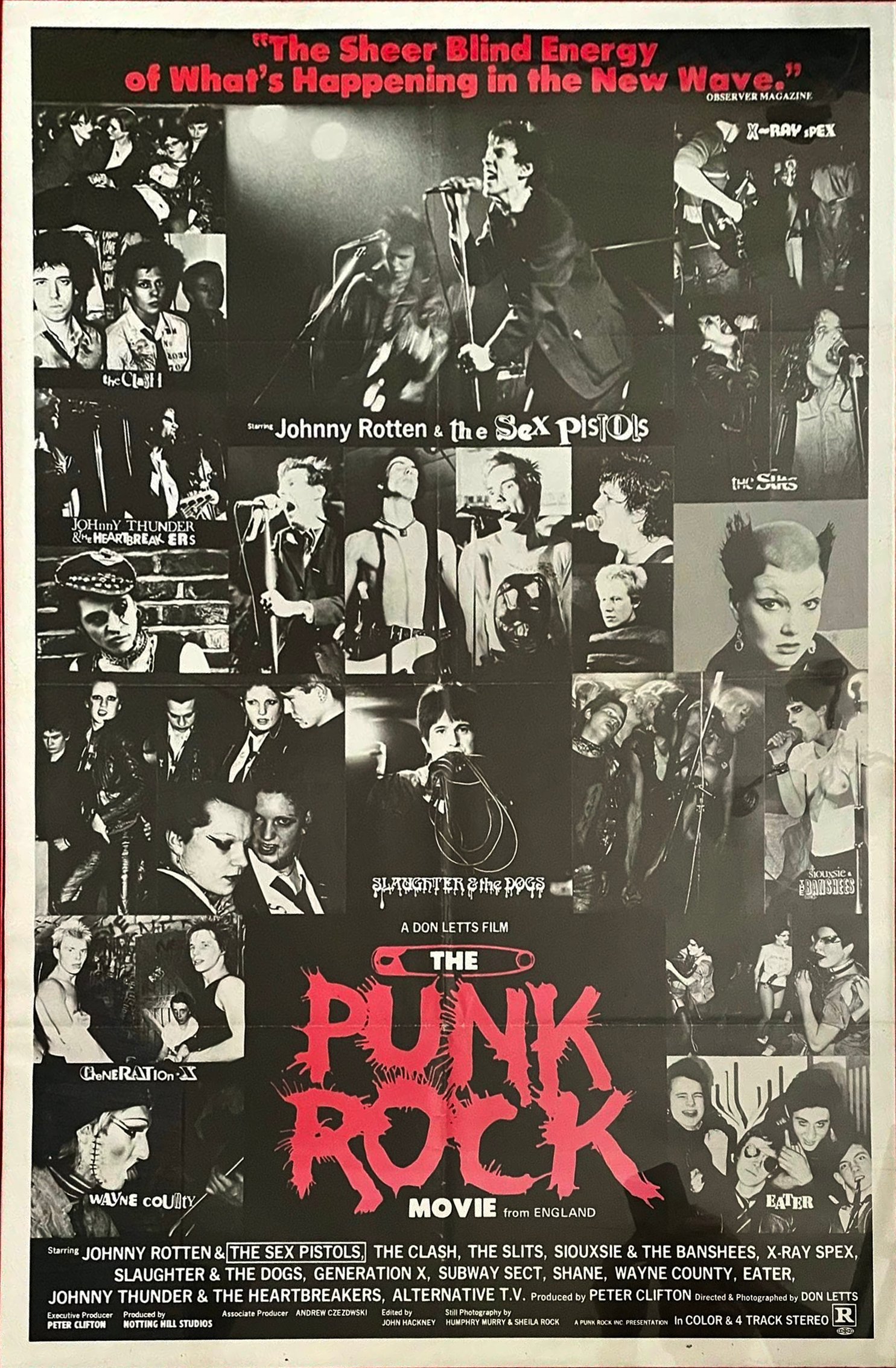

.jpg)


 1976/77 Julian Temple's early footage 50hrs


 [Extract] ... Malcolm’s (Mclaren) band had a promo film, so Bernie’s (Rhodes) band had to have one too.


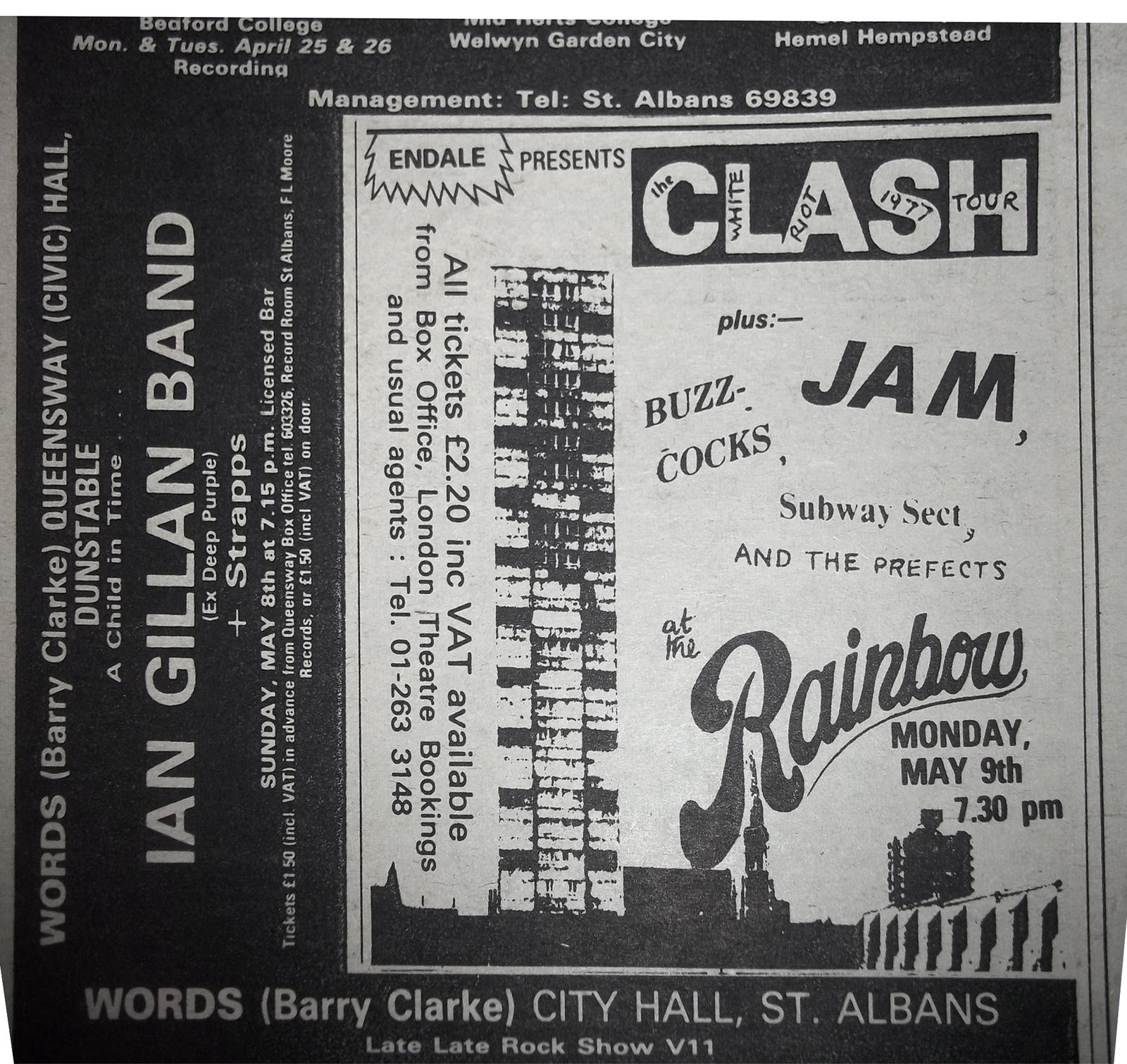


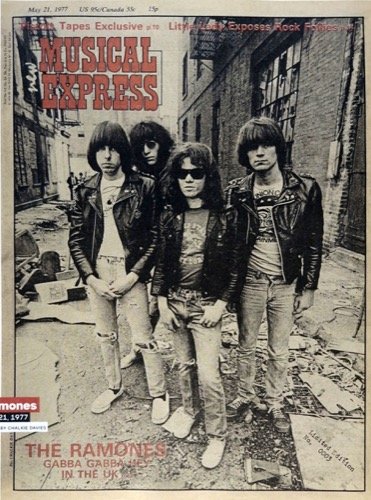


%20No%204%20the%20Clash,%20a%20review%20%20of%20tonight%e2%80%99s%20Rainbow%20White%20Riot%20Tour%20gig%20on%20this%20the%209th%20of%20May%201977/1.jpg)
%20No%204%20the%20Clash,%20a%20review%20%20of%20tonight%e2%80%99s%20Rainbow%20White%20Riot%20Tour%20gig%20on%20this%20the%209th%20of%20May%201977/PREFECTSnewwave4large(72).jpg)
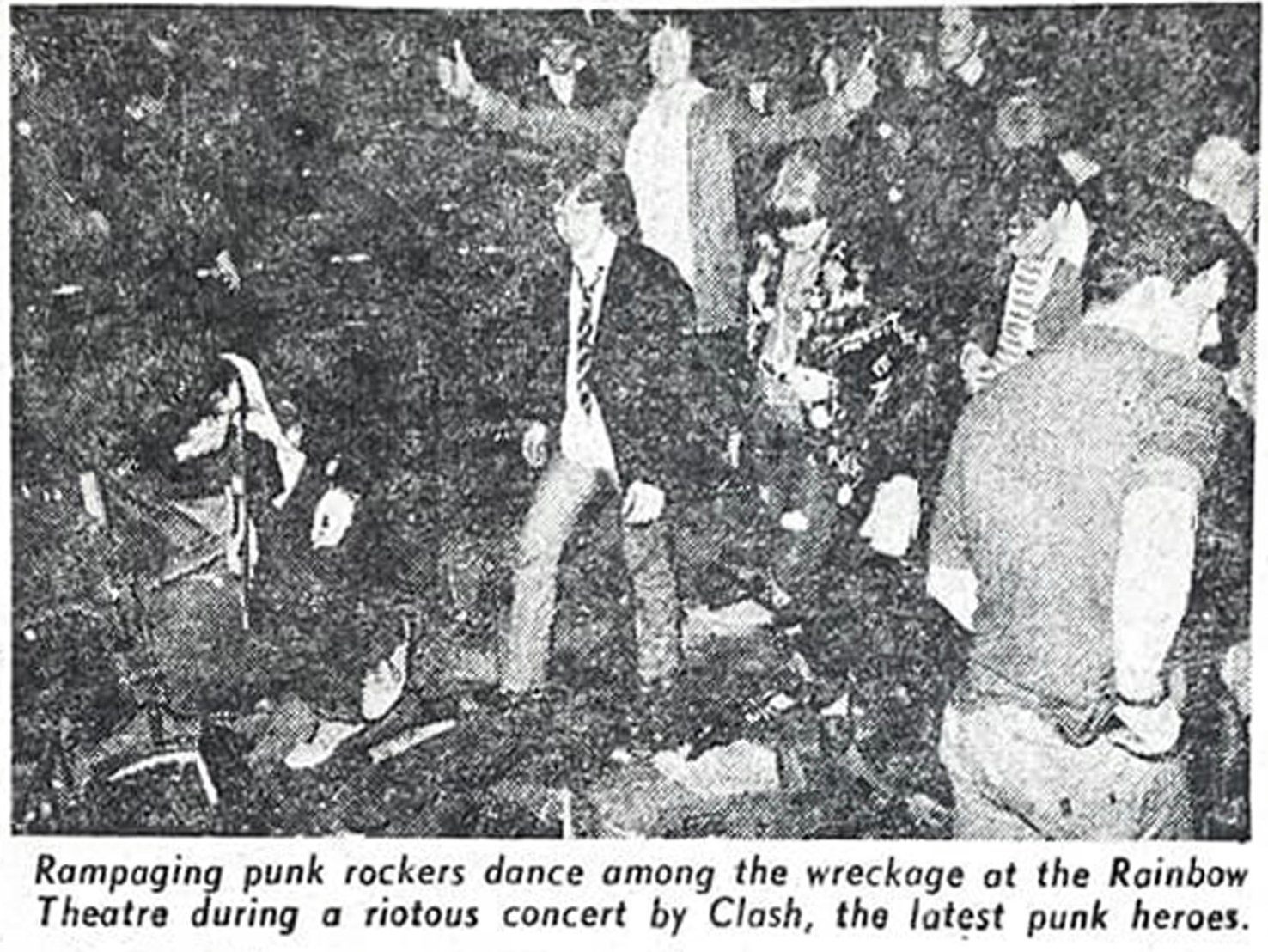
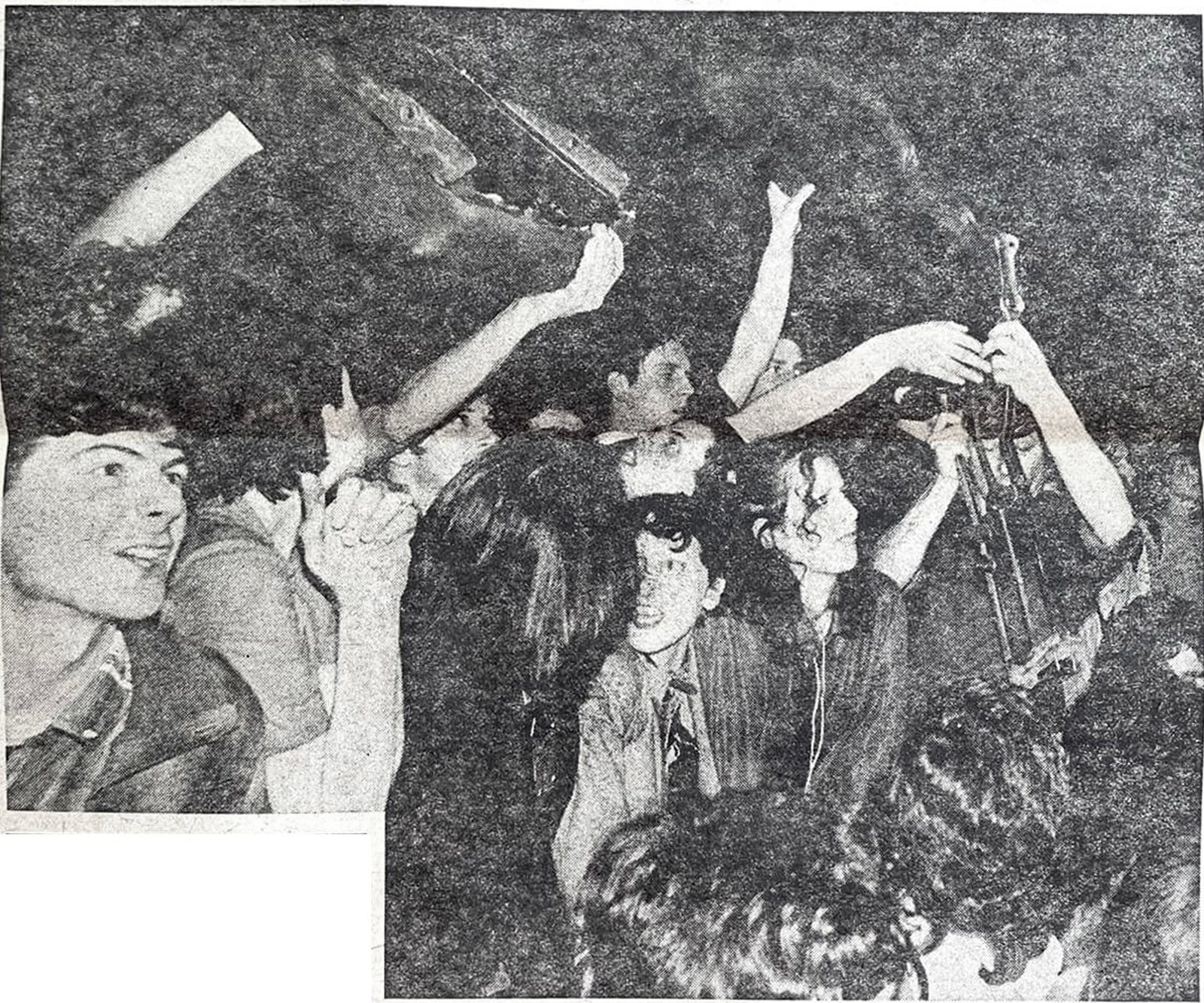
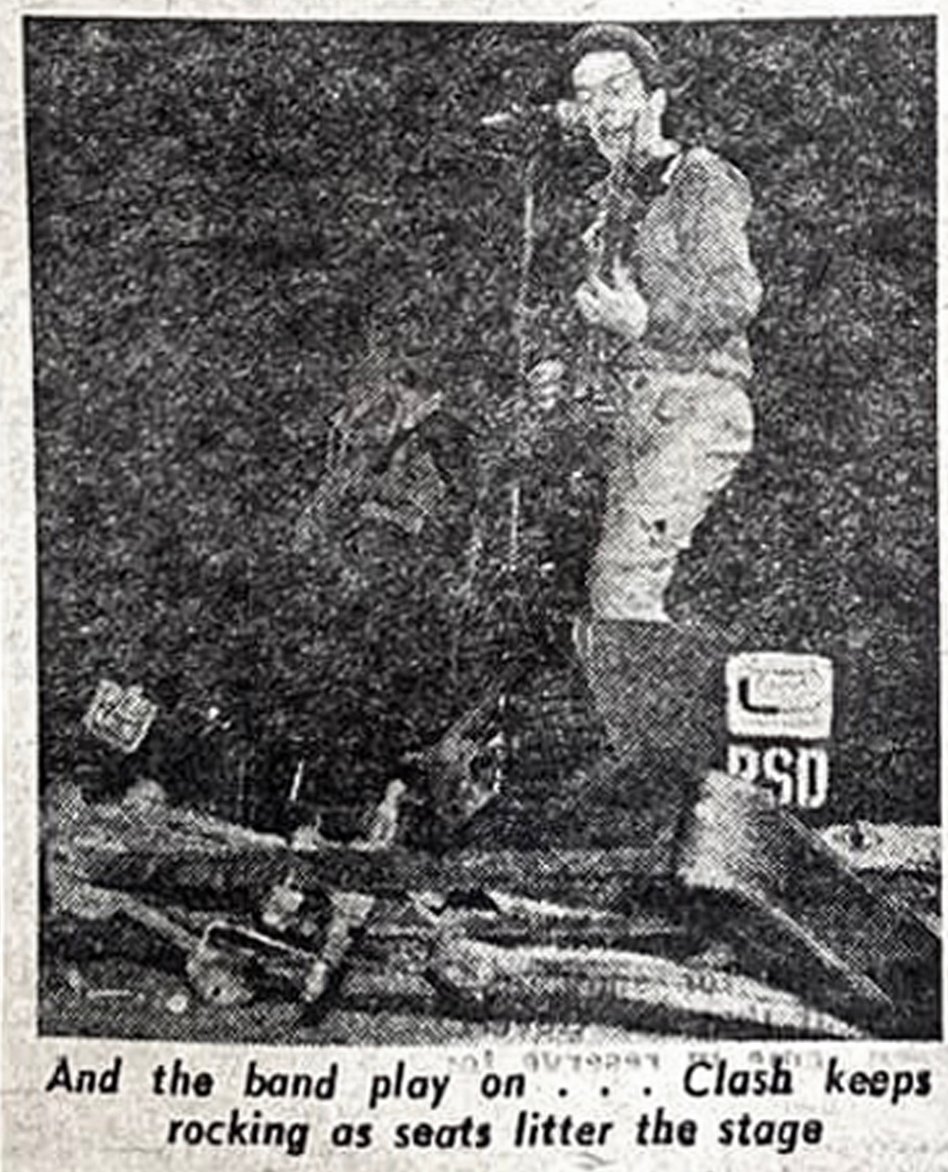

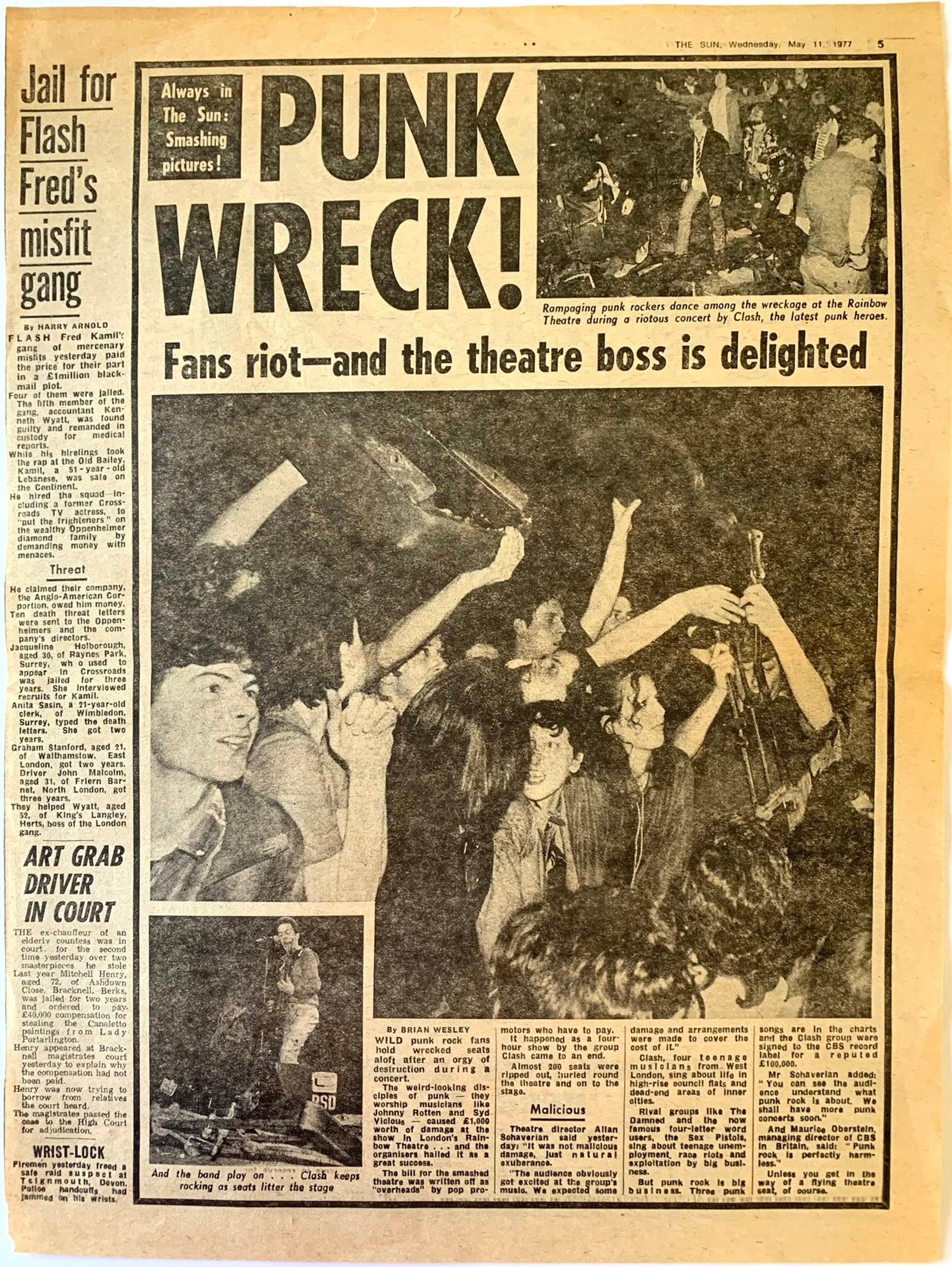
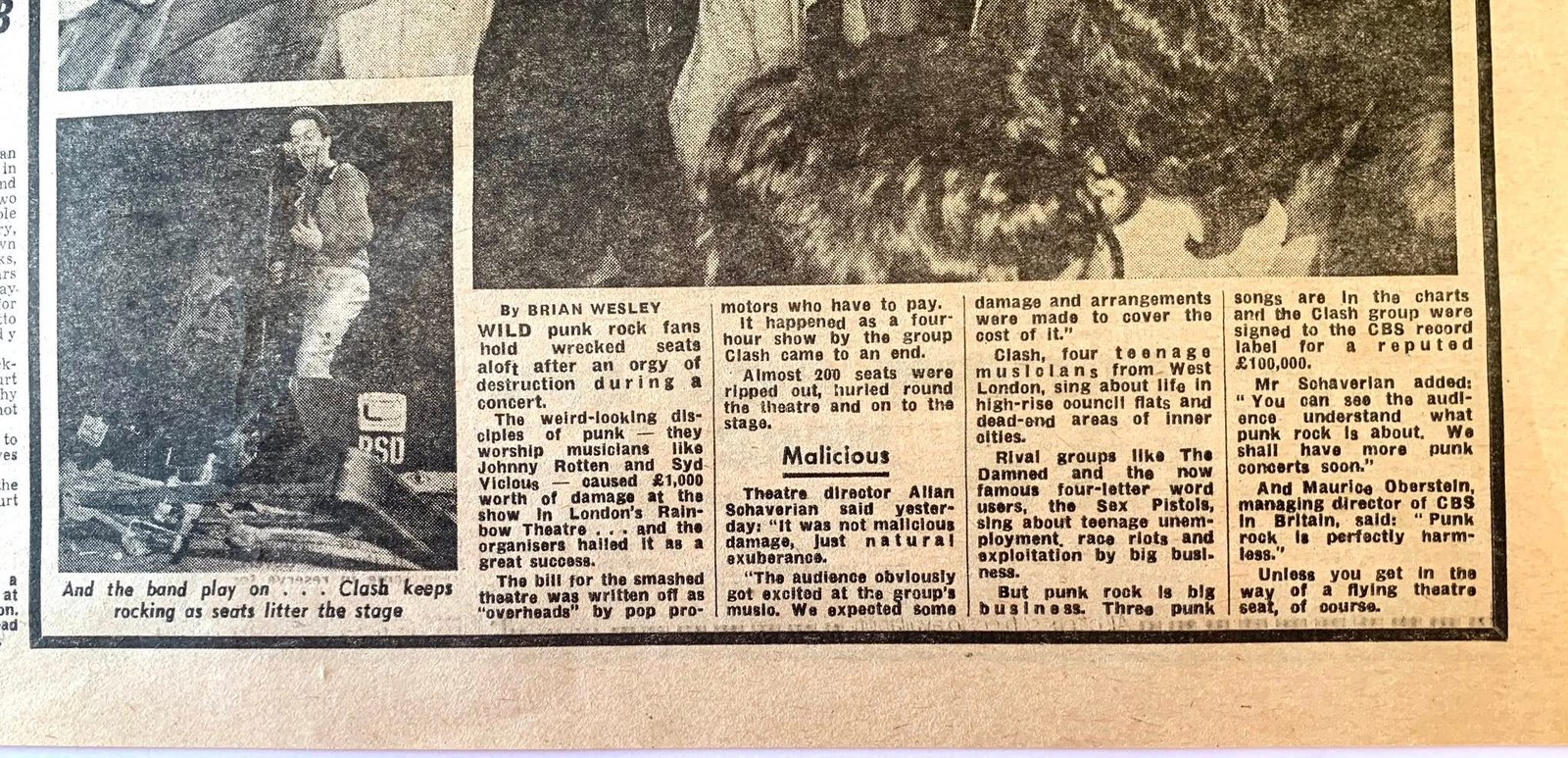
title.jpg)
.jpg)
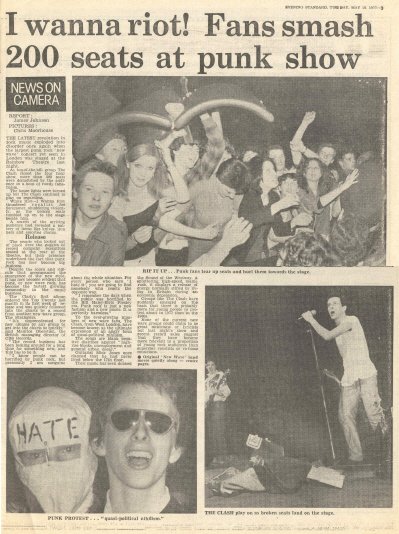
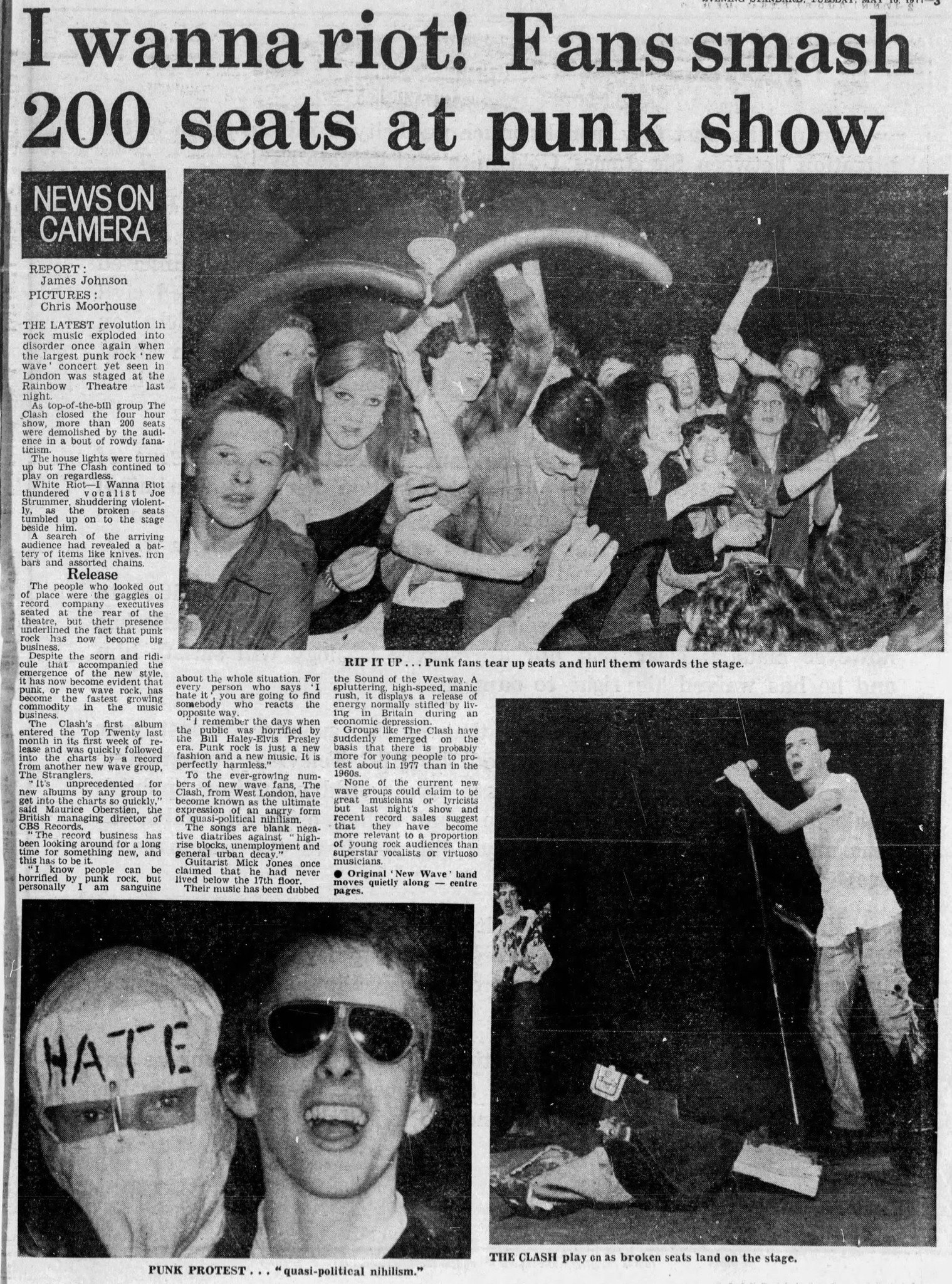


/77%2005%2009%20The%20Clash%20Jam%20split%20following%20the%20Rainbow%20Gig%20(9%20May%201977).jpg)
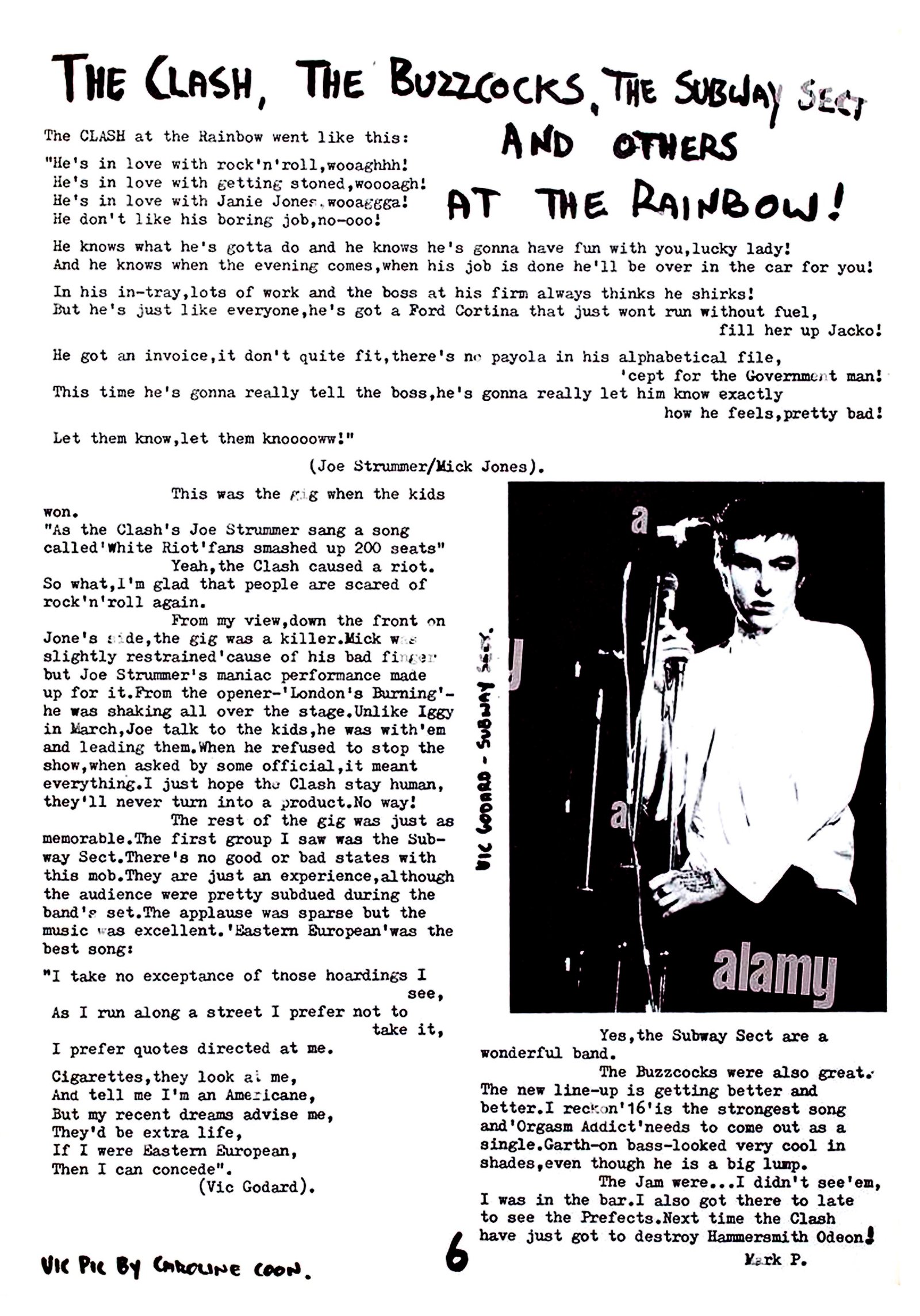
 Audio, Selena Quirke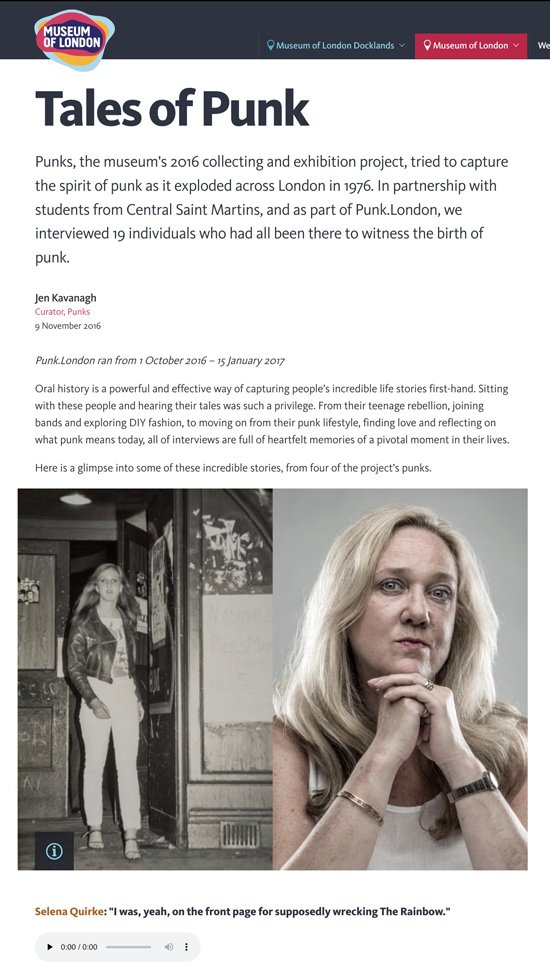
%20title.jpg)
.jpg)
title.jpg)

/77%2005%2009%20Punks%20At%20Rainbow%20review-title.jpg)
/77%2005%2009%20Punks%20At%20Rainbow%20review.jpg)
/Punks%20at%20the%20Rainbow%20full%20page%20poor.jpg)
/77%2005%2009%20SOUNDS%20Rainbow%20review.jpeg)
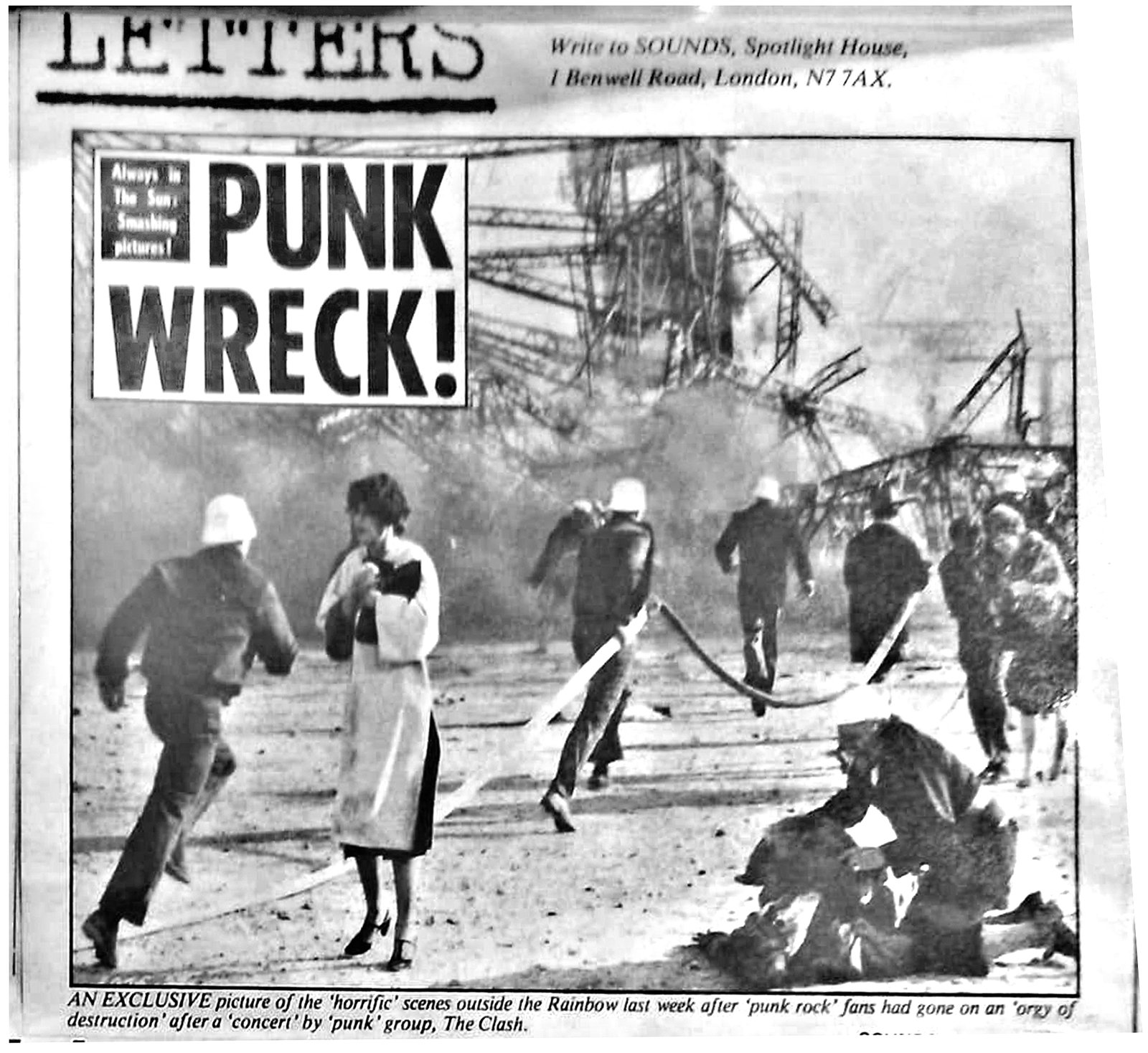




/1977%2007%20Issue%201%20of%20Cliche%20(Chelmsford%20and%20St%20Albans%20reviews)/1.jpg)
/1977%2007%20Issue%201%20of%20Cliche%20(Chelmsford%20and%20St%20Albans%20reviews)/2.jpg)
/1977%2007%20Issue%201%20of%20Cliche%20(Chelmsford%20and%20St%20Albans%20reviews)/3.jpg)

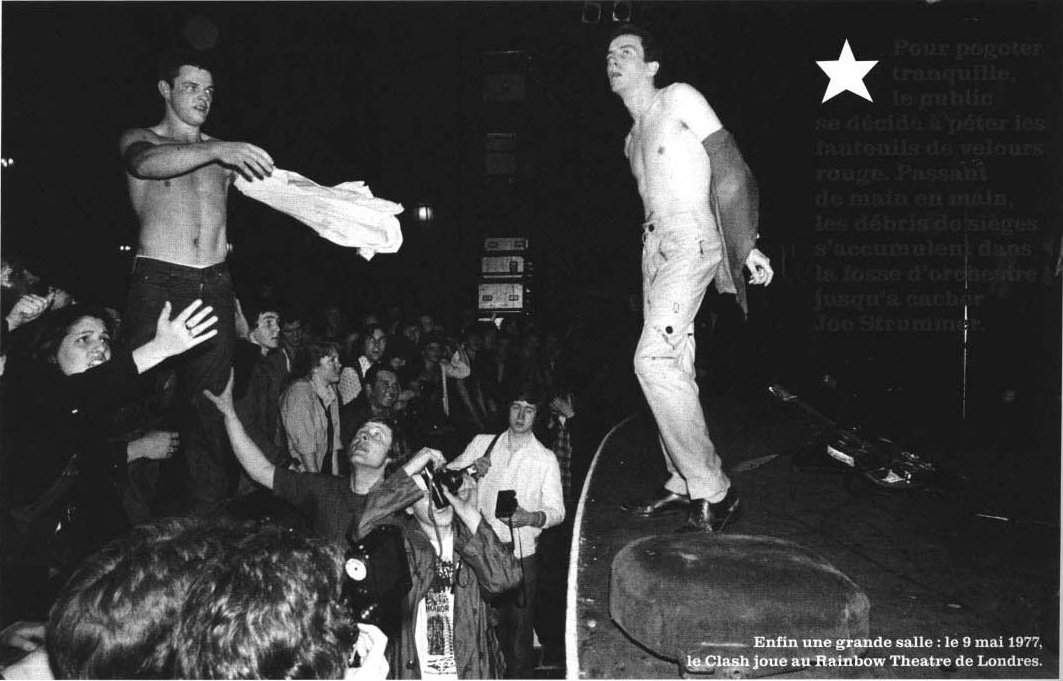
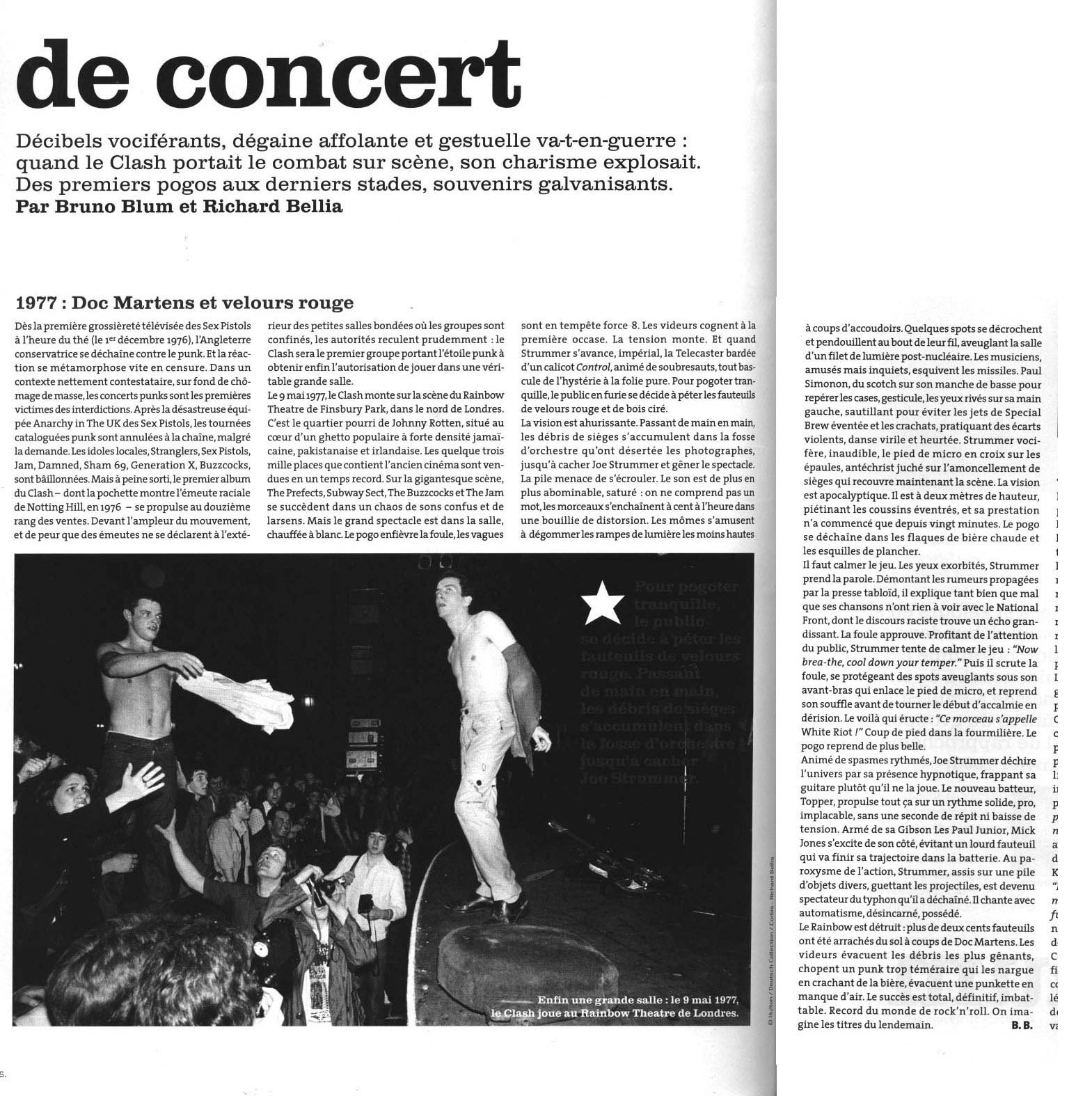


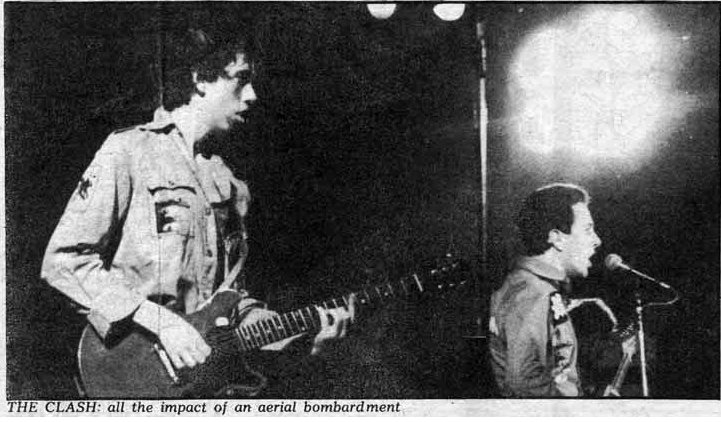





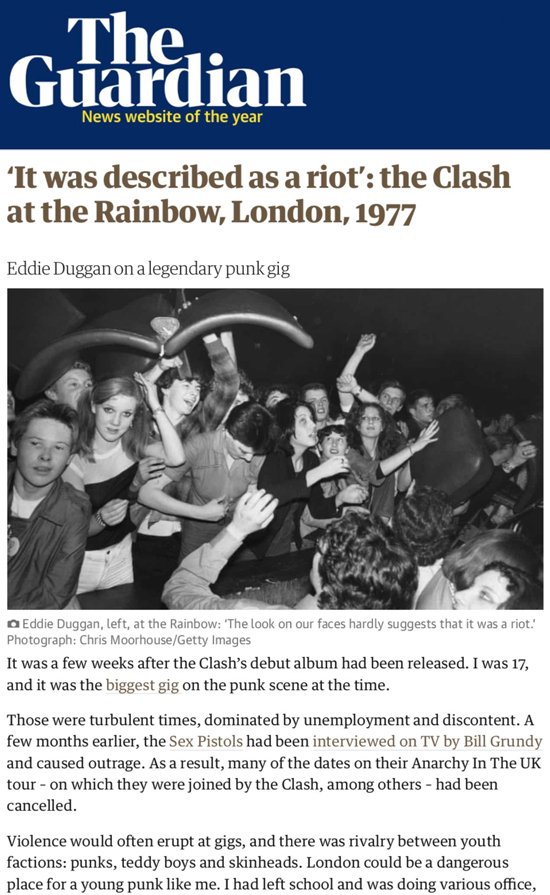


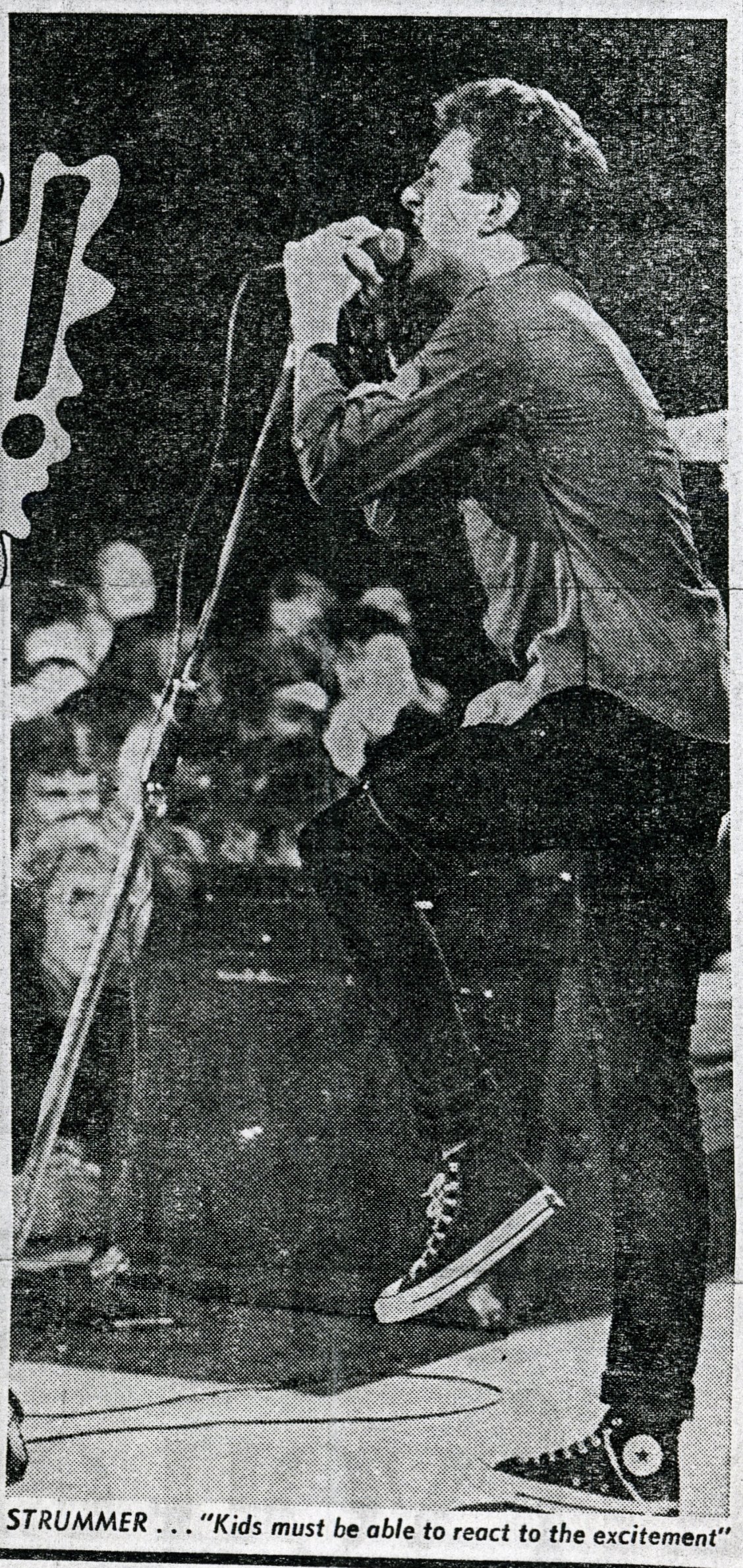
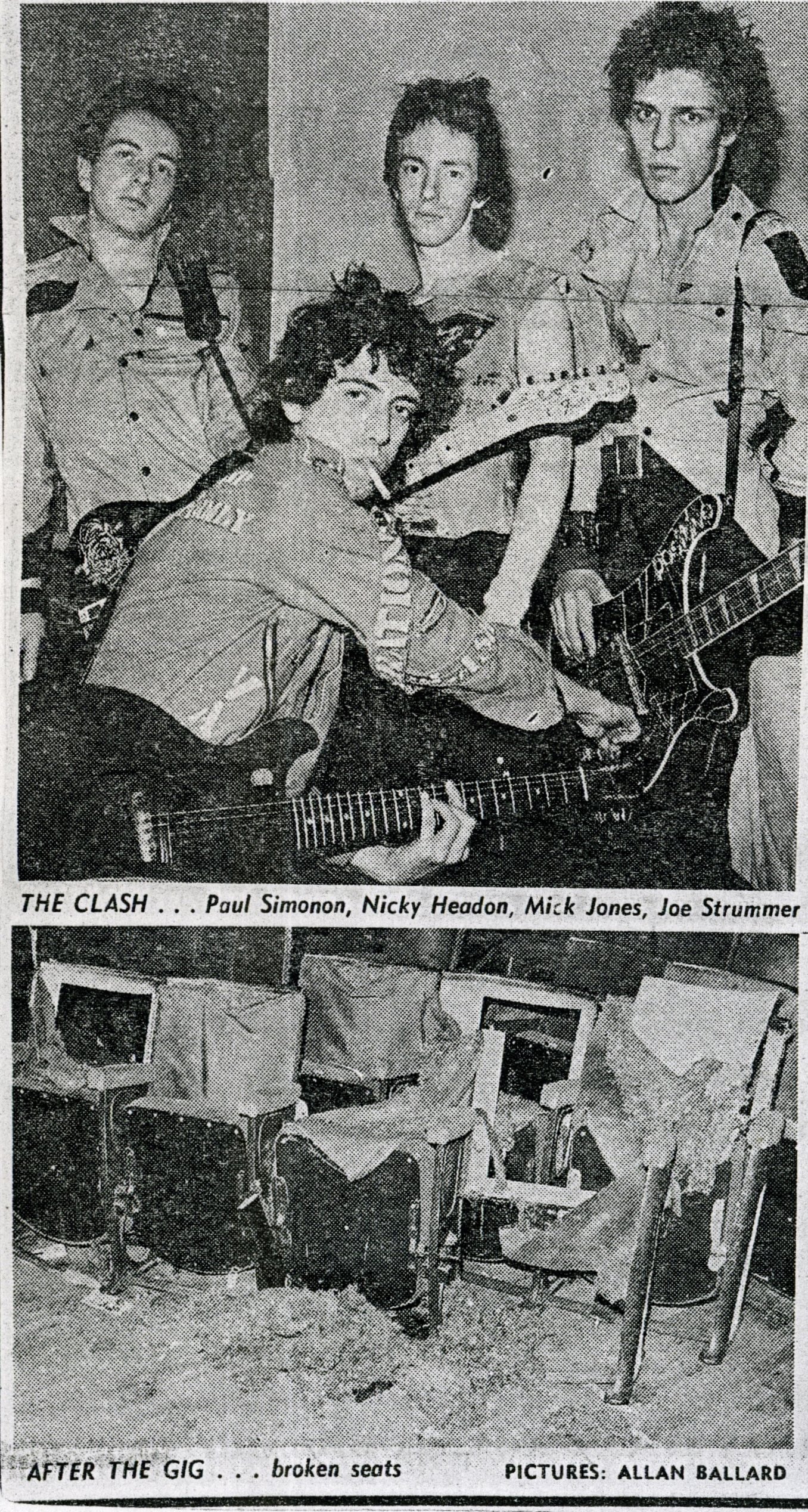


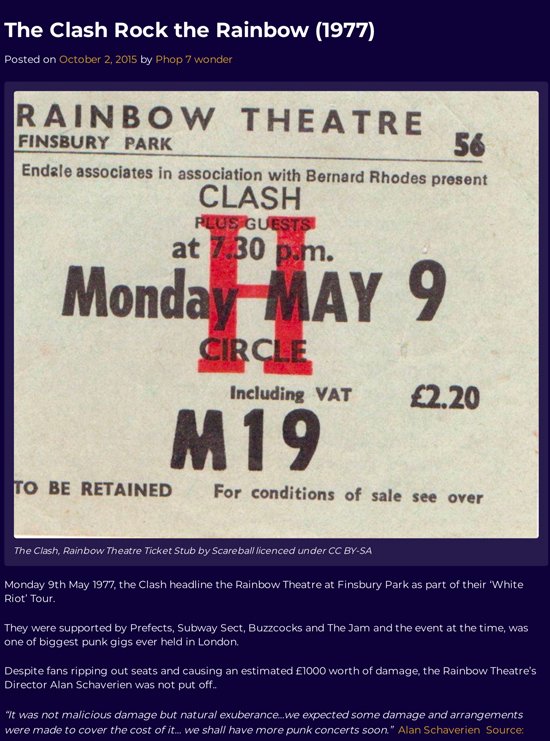



/MELODY%20MAKER%201977%2004%2023.html/MELODY%20MAKER%201977%2004%2023_files%20copy/MELODY%20MAKER%201977%2004%2023-2_500h.jpg)

/MELODY%20MAKER%201977%2004%2023.html/MELODY%20MAKER%201977%2004%2023_files%20copy/MELODY%20MAKER%201977%2004%2023-3_500h.jpg)
/MELODY%20MAKER%201977%2004%2023.html/MELODY%20MAKER%201977%2004%2023_files%20copy/MELODY%20MAKER%201977%2004%2023-4_500h.jpg)
/MELODY%20MAKER%201977%2004%2023.html/MELODY%20MAKER%201977%2004%2023_files%20copy/MELODY%20MAKER%201977%2004%2023-5_500h.jpg)


/RECORD%20MIRROR%201977%2007%2022.html/RECORD%20MIRROR%201977%2007%2022_files%20copy/RECORD%20MIRROR%201977%2007%2022-3_500h.jpg)

/RECORD%20MIRROR%201977%2007%2022.html/RECORD%20MIRROR%201977%2007%2022_files%20copy/RECORD%20MIRROR%201977%2007%2022-4_500h.jpg)
/RECORD%20MIRROR%201977%2007%2022.html/RECORD%20MIRROR%201977%2007%2022_files%20copy/RECORD%20MIRROR%201977%2007%2022-5_500h.jpg)


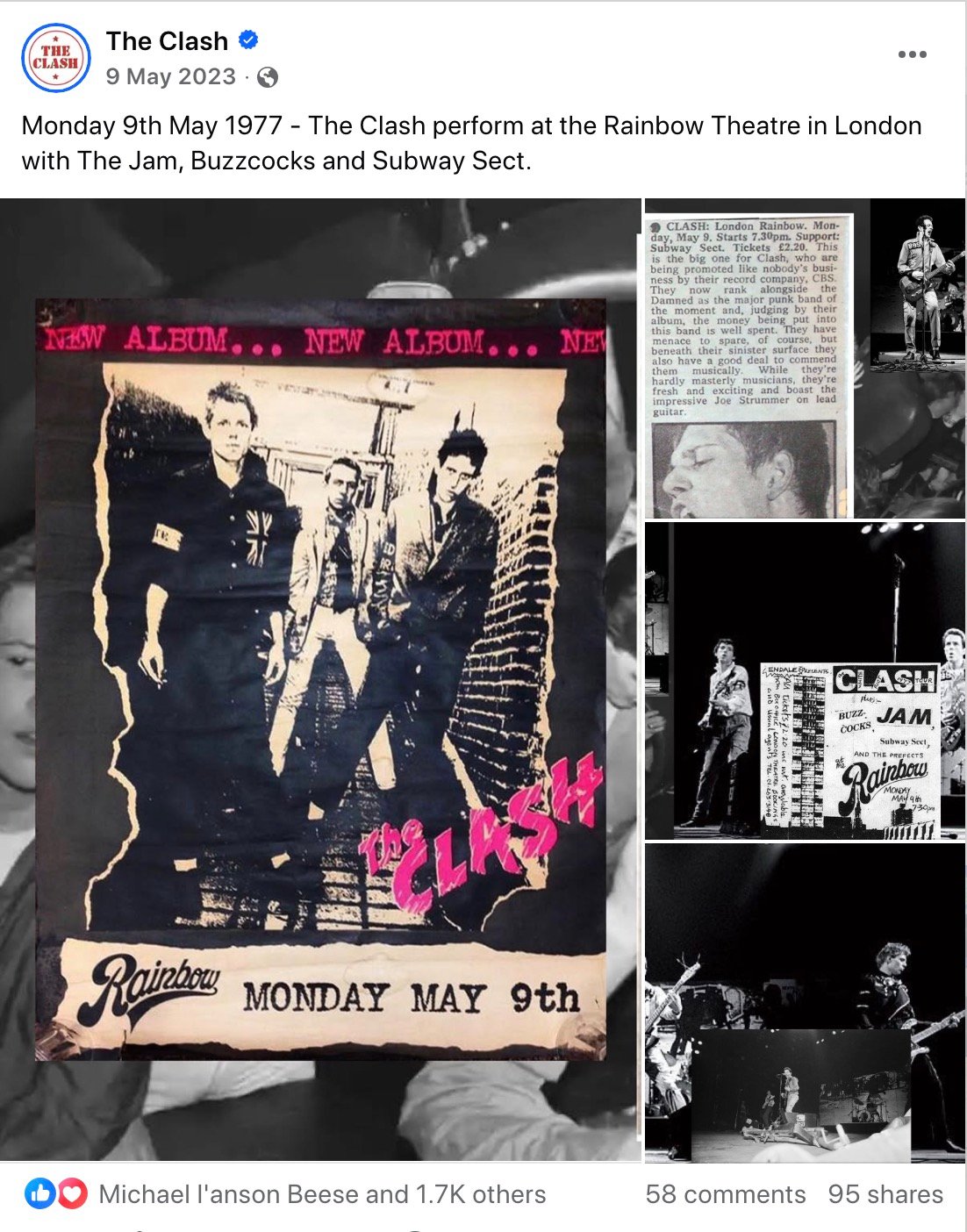


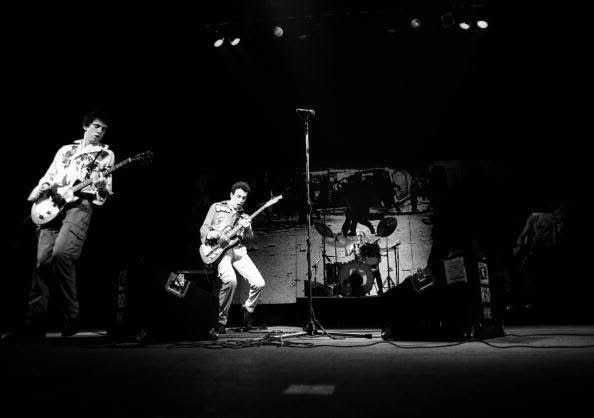
.jpg)
%202.jpg)
.jpg)
.jpg)
.jpg)
.jpg)
.jpg)
.jpg)
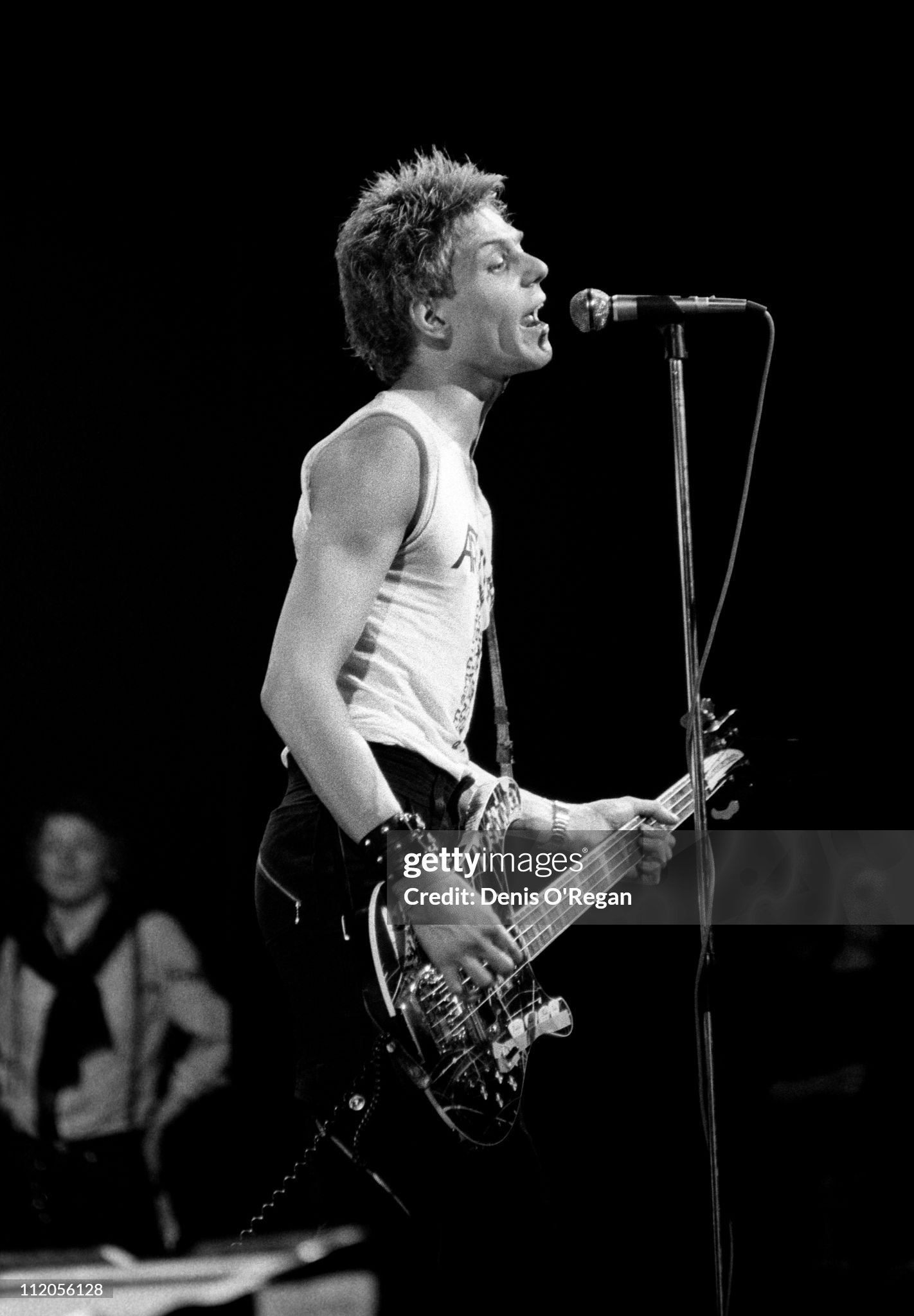














 The Official Clash
  Clash City Snappers


